

A quiet move by the Trump administration is allowing major crypto firms to skirt U.S. state regulators that have, for years, played a key role in policing dirty money in the industry.
Following a recent reinterpretation of banking rules, federal authorities have granted some crypto companies special, slimmed-down national banking licenses that come with minimal federal oversight and immunity against a wide range of actions by state regulators.
The sudden loss of state authority over some major crypto firms shocked Linda Conti, superintendent of Maine’s Bureau of Consumer Credit Protection, which oversees licensing of money-transmitting firms.
“We will not be able to address consumer complaints,” Conti told the International Consortium of Investigative Journalists in an email. “We will not be able to ask any questions of these entities.”
After a surge in cryptocurrency scams, Maine began requiring crypto firms to verify the ownership of certain digital wallets their customers were sending money to. The rule was intended to prevent would-be victims from paying scammers, but Coinbase, one of the world’s largest crypto players, cried foul.
In a letter asking federal authorities to intervene last September, the crypto exchange suggested Maine’s new rule was unconstitutional and “threatens the very purpose” of core features of cryptocurrency that offer users deep privacy. Coinbase has since converted to a national trust charter bank, meaning it will no longer need to comply with this rule in Maine, according to Conti.
Coinbase is not alone in obtaining the new licenses that can curtail state action.
Through a records request, ICIJ obtained a letter to Conti’s office from the crypto firm Fidelity Digital Assets, which recently converted to a national trust charter bank, telling local regulators that the company no longer needed its state money transmission license. In the letter, lawyers representing the crypto firm requested that Maine update Fidelity Digital Assets’ license in Maine to “Terminated – Surrendered / Canceled.”
Fidelity Digital Assets, the cryptocurrency arm of the investment management giant Fidelity, did not provide comment for this story.
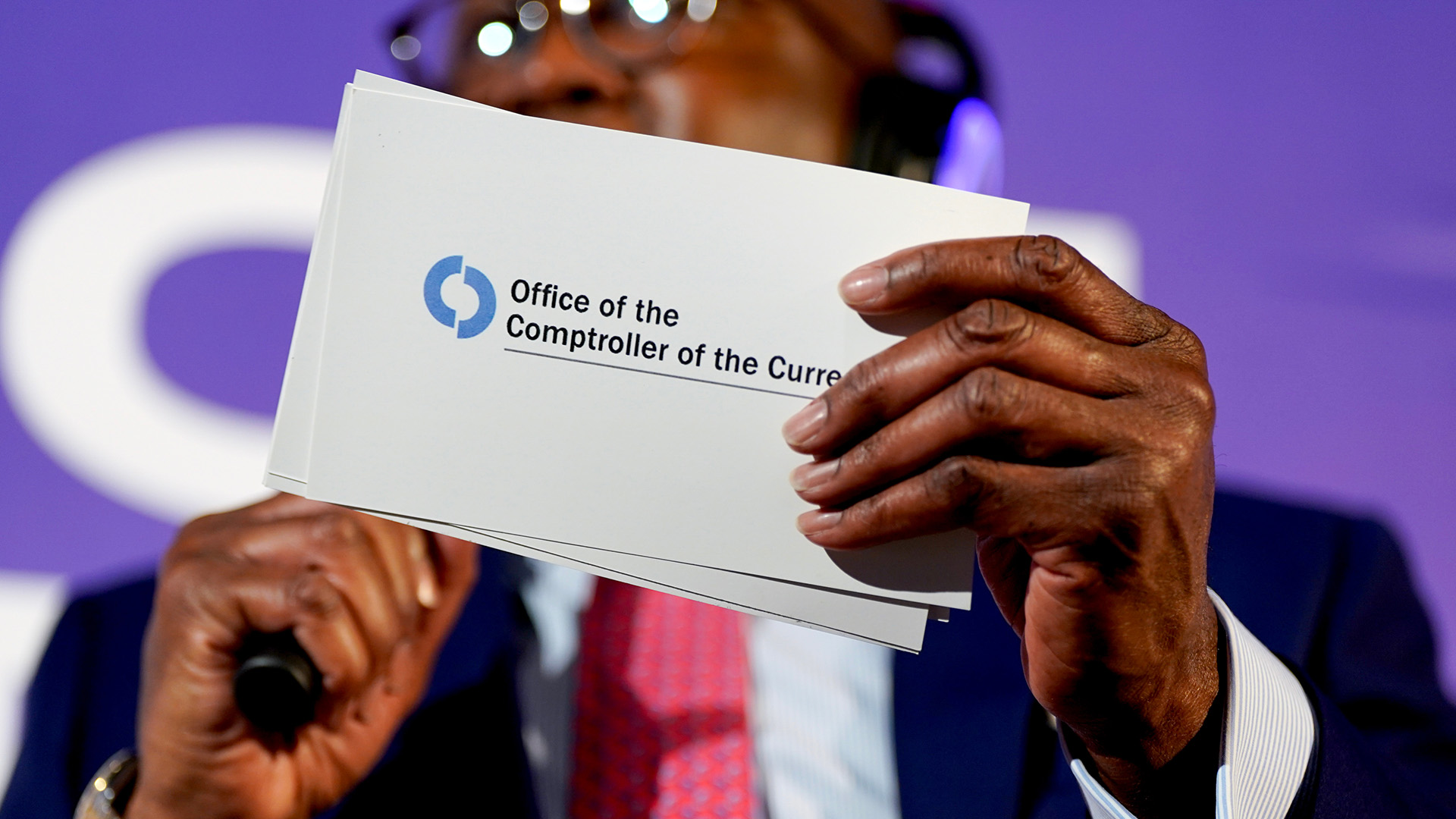
National trust charter banks are not new. Previously, these charters had been granted to entities such as investment managers and private equity funds that don’t engage in regular banking activity. But a recent reinterpretation of federal rules by the Office of the Comptroller of the Currency (OCC), a U.S. federal banking regulator, has allowed these charters to become available to crypto firms, affording them greater access to the formal financial system and exemption from many state rules.
Traditional banks are overseen by a consortium of regulators that can include the OCC, the Federal Reserve, the Federal Deposit Insurance Corporation and state regulators as well. In contrast, national trust charter banks are generally overseen by the OCC as their…
Read More: Trump administration curbs state oversight of crypto industry
