

APOPKA, Fla. – A phone call or message creates the crisis. The person on the other end says your bank account has a problem, your computer has been hacked or you could be in serious trouble.
Then comes the pressure: act now.
And eventually, the demand: get cash and send it using Bitcoin or another cryptocurrency.
Apopka police say that scenario is no longer hypothetical in their city. The department told News 6 it received five reports involving Bitcoin or cryptocurrency during the first 26 days of August — more than it had typically been seeing — and reports have been steadily increasing for roughly three months. Before that, police said cases were more sporadic.
The amounts reported lost vary dramatically.
One recent report involved just $35.
Another involved $10,000.
Another involved $50,000.
The largest recent loss Apopka police identified to News 6 was $50,773.
And the numbers outside Apopka show why police are increasingly concerned.
According to 2025 data from the FBI’s Internet Crime Complaint Center, Florida recorded 1,213 complaints involving cryptocurrency kiosks — the highest complaint count in the country — with more than $32.7 million in adjusted reported losses. Nationwide, the FBI received more than 13,400 complaints involving cryptocurrency kiosks and reported losses exceeding $388 million.
How does the scam actually work?
The specific story can change, but Apopka police say the objective is often the same: create enough fear or urgency that the victim sends money before stopping to question what is happening.
APD told News 6 its recent local cases have primarily involved scammers pretending to represent banks or convincing people that their computers have been compromised.
Police said they have not seen recent cases in which scammers specifically pretended to be Apopka police officers, although impersonation of law enforcement has been reported elsewhere.
One recent Apopka case shows how extreme the story presented to a victim can become.
Police said a victim was told their computer had been connected to an investigation involving child sexual abuse material. The scammer allegedly told the victim that to resolve the problem, $10,000 needed to be sent purportedly to Microsoft.
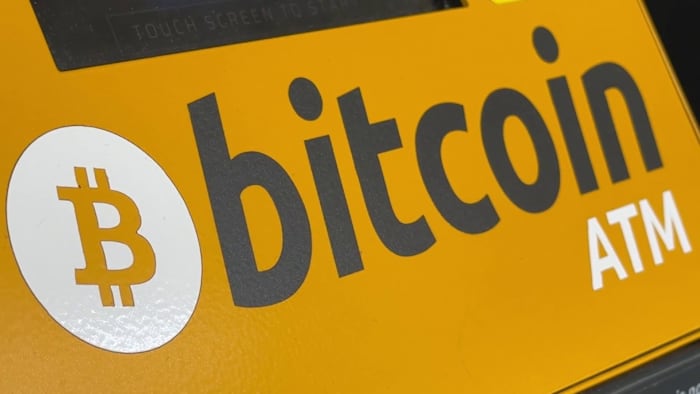
The victim was instructed to withdraw the money in cash and deposit it into a Bitcoin ATM.
That step — moving cash into cryptocurrency — can make the victim’s chances of recovering the money much worse.
Why do scammers want cryptocurrency?
The Better Business Bureau told News 6 that cryptocurrency has become an attractive vehicle for scammers because money can move quickly, transactions can offer greater anonymity and consumers may have fewer fraud protections than they would through traditional banking or credit-card transactions.
Apopka police described another problem: once the transaction is completed, tracing where the cryptocurrency ultimately went and identifying the person controlling the receiving wallet can be extremely difficult. Some of the…
Read More: Apopka crypto scams are climbing. One victim lost more than $50K — here’s
