

Advisory firm says specialized workouts are becoming increasingly important as Korean investors manage troubled overseas property investments
As South Korean institutional investors grapple with a wave of distressed overseas real estate assets, the need for specialized workout capabilities has become increasingly important, according to Tailwind Real Estate Partners.
Before the Covid-19 pandemic, local institutional investors aggressively expanded their overseas real estate exposure, snapping up high-profile properties in the US, such as trophy office assets in Manhattan.
The sharp rise in interest rates and structural changes in the office sector, however, turned the once-prized assets into distressed investments.
Against this backdrop, Tailwind Real Estate Partners, which specializes in real estate loan workouts, helps investors recover value from distressed assets.
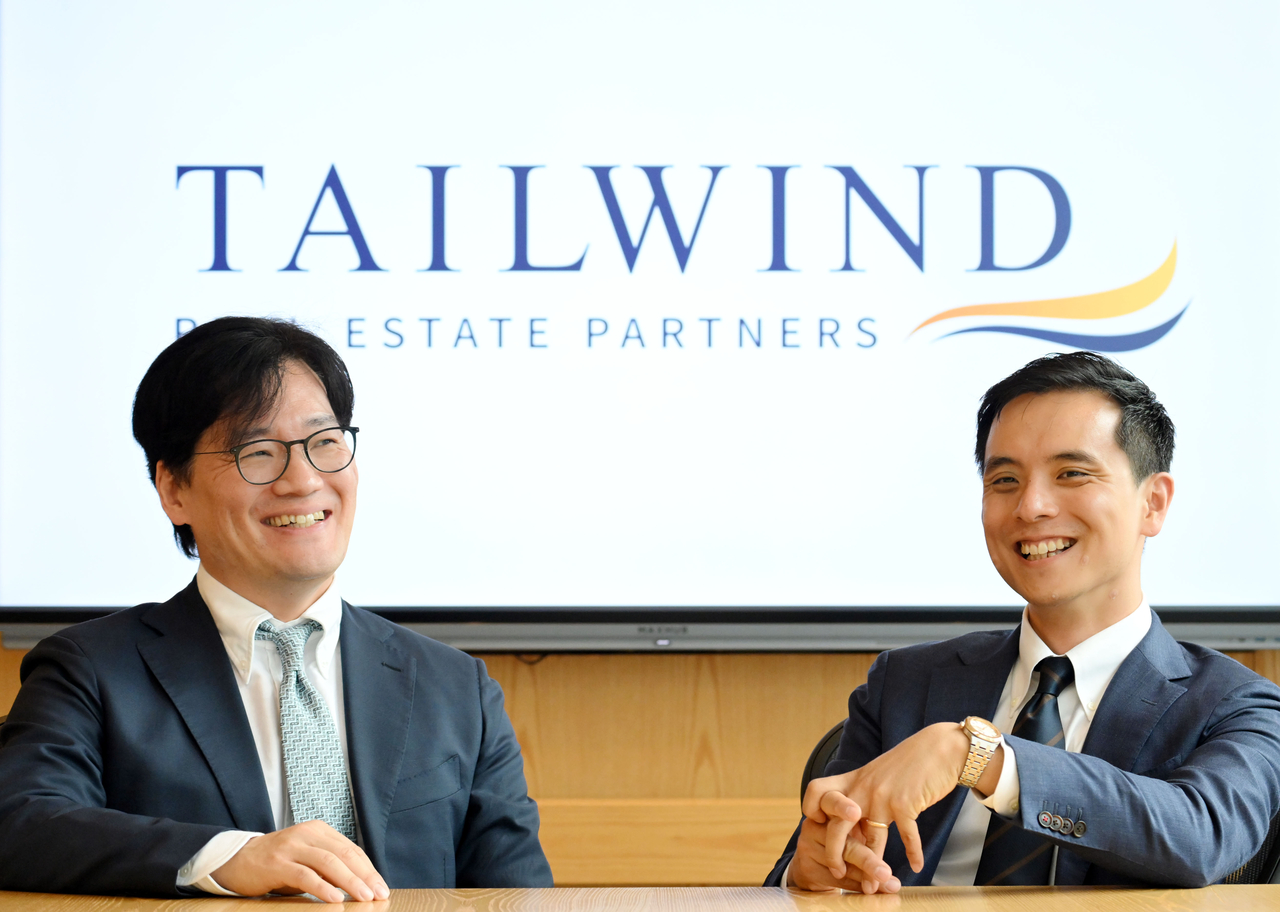
“Tailwind’s role is to represent the Korean institutions we advise and help them recover as much of their principal as possible. The mission is to negotiate on their behalf to maximize their recovery while minimizing their losses,” Oh Jong-yoon, managing partner at Tailwind, said in an interview with The Korea Herald at its Seoul office, Wednesday.
The roots of the struggles in overseas real estate lie in the way the investments were structured, Oh said. Rather than acquiring properties directly, many invested via loans secured by the underlying assets, with a significant portion of those investments taking the form of subordinated debt or mezzanine financing.
When the loans turned sour, local investors often found themselves at a disadvantage in workouts because they lacked familiarity with the restructuring process in the US — a gap that Tailwind seeks to fill.
Unlike many advisory firms that simply pass along proposals between parties, Tailwind said it takes a more hands-on approach, seeking to understand the priorities of their clients.
“Many advisers simply relay developments in the US market to Korean institutional investors and ask whether they want to accept a proposed deal or not,” Oh said.
“Tailwind, however, goes beyond providing updates and works to help clients secure the most favorable outcomes possible.”
To facilitate a smoother workout process, Tailwind maintains an exclusive partnership with CWCapital, one of the largest US special servicers for commercial mortgage-backed securities, to oversee restructurings, negotiations and, when needed, asset dispositions.
One of the biggest differences between workout processes in Korea and the US lies in how lenders communicate with distressed borrowers, according to Kim Seung-hyun, a managing partner based at Tailwind’s New York office who also joined the interview.
“In the US, borrowers typically have a…
Read More: ‘Recovery, not liquidation’: How Tailwind navigates US real estate workouts
