


As grocery chains face mounting pressure from inflation-weary shoppers and growing competition, some in the industry are starting to rely on artificial intelligence to protect margins without losing customers.
Traditional levers to protect profits or drive sales, like raising prices or running blanket promotions, are becoming less effective as shoppers split trips across multiple retailers in search of value. That dynamic has helped drive market share gains for discounters like Dollar General and warehouse clubs like Costco, forcing traditional grocers to rethink how they compete.
Many are turning to more targeted, tech-enabled strategies to balance affordability with profitability. One emerging approach is using data and AI to adjust pricing on perishable inventory, especially items nearing their “best-by” dates. Historically, about 30% of food in American grocery stores is thrown away each year, and some experts estimate that translates to nearly $18.2 billion in lost value.
Now with years of high inflation and a recent spike in gas prices making it harder for households to afford food, companies are trying to assume less of that loss, otherwise referred to as “shrink.”
“We see AI as a meaningful opportunity to both improve the customer experience and drive productivity across our business,” said Kroger Chairman Ronald Sargent on the company’s most recent quarterly earnings call. “We’re already seeing results from more competitive pricing.”
According to a Deloitte study, 89% of people are shopping for discounts and deals. Numerator data shows that shoppers are visiting 23% more retailers to purchase their groceries.
That makes setting the right prices at the right time more crucial than ever.
Still, making the right real-time pricing decision requires a break from traditional playbooks. Platforms like Flashfood are helping grocers reduce prices on items as they near the end of their shelf life, which could aid them in limiting losses from food waste.
“Not only is everyone now a value shopper, but shoppers have the information and resources available to find the best deal,” said Flashfood CEO Jordan Schenck. “This raises the stakes in terms of competition between grocers, because they’re now competing with value-specific retailers.”
This has created a unique paradigm shift for grocers who have seen increased competition from other retailers, Schenck said, and pressure to figure out how to create value without eroding their brands through yellow sticker markdowns and discounting.
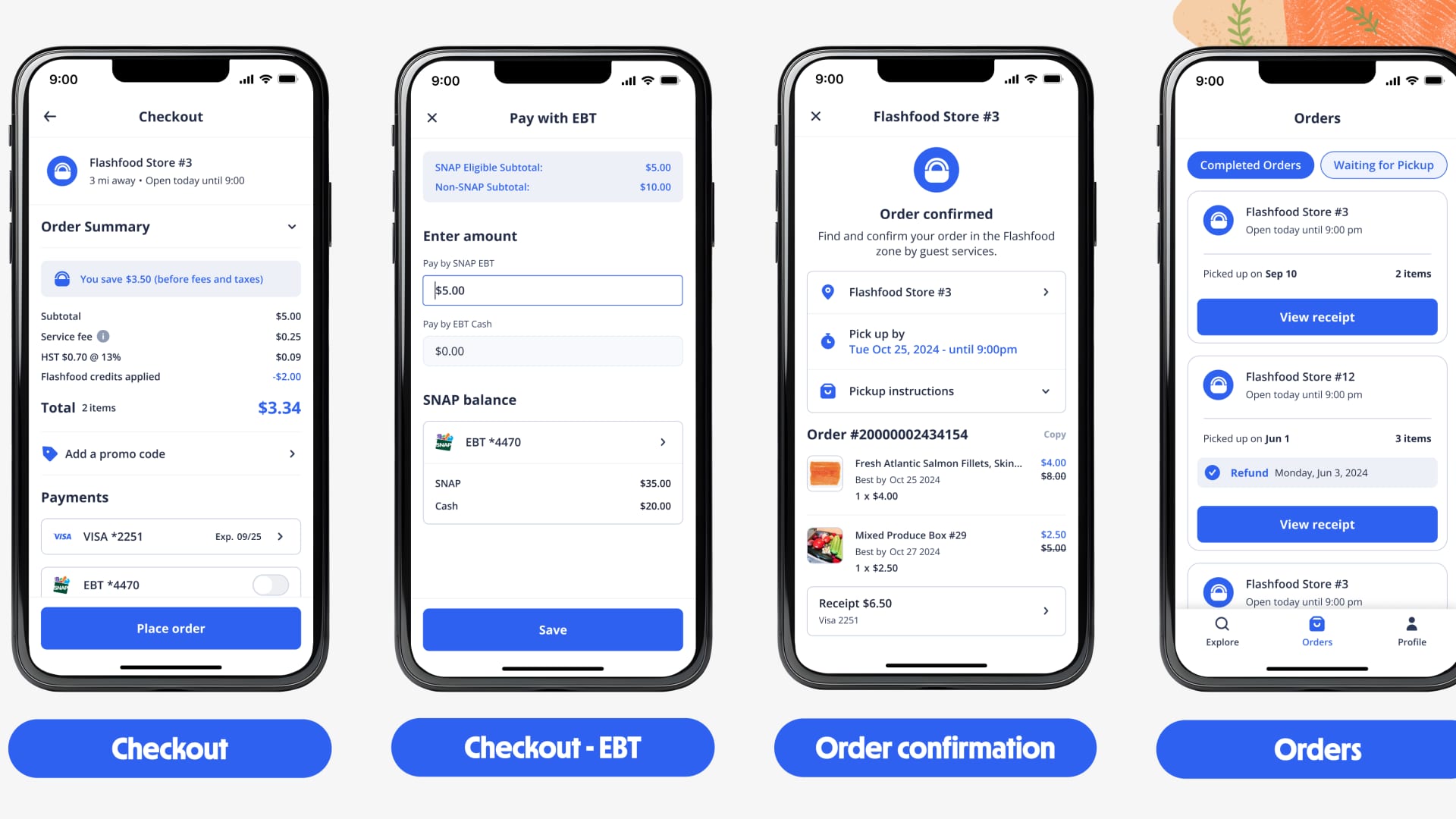
Flashfood connects shoppers with local grocery stores to purchase food nearing its best-by date at a discount. Users browse, purchase and pay for items directly through the app, then pick up orders from a designated “Flashfood zone” fridge in store.
Kroger’s Flashfood app.
Courtesy: Kroger
Flashfood says it helps grocers to sell fresh food by converting what would have been shrink into incremental revenue. The company is expanding to more…
Read More: Some grocers are using AI to cut food waste and boost profit margins
