


Heat domes. Cold snaps. Winter storms — even as far away as Texas. Extreme weather events are roiling power markets and spiking power prices for energy providers and their customers.
This increasing volatility — and mandates to decarbonize energy supplies, introducing more variable energy sources, such as wind and solar power — is driving big changes for regional utilities, including how they buy and sell power.
In play right now is a realignment of Northwest utilities into new energy markets. Power managers here hope these broader markets will give them reliable access to electricity and at lower rates when they don’t produce enough on their own, which can happen in drier years or during extreme weather events.
Power managers hope a refreshed market landscape will increase the reliability of energy and keep costs lower for consumers.
Two power market operators are contending for Northwest utilities’ business: the Southwest Power Pool’s Markets+, based in Arkansas, and the California Independent System Operator.
This is a complex topic, so let’s step back to see what’s new.
Around the region, utilities buy and sell energy to meet customers’ needs, moving power around a connected power grid. That is not new.
What is changing is the creation of these larger pools of utilities over a bigger geographic footprint, with an operator that optimizes trades not just minute to minute but for a whole day. That is intended to help utilities smooth challenges of variability in both weather and energy sources.
As these new market pools shape up, all eyes are on the Bonneville Power Administration.
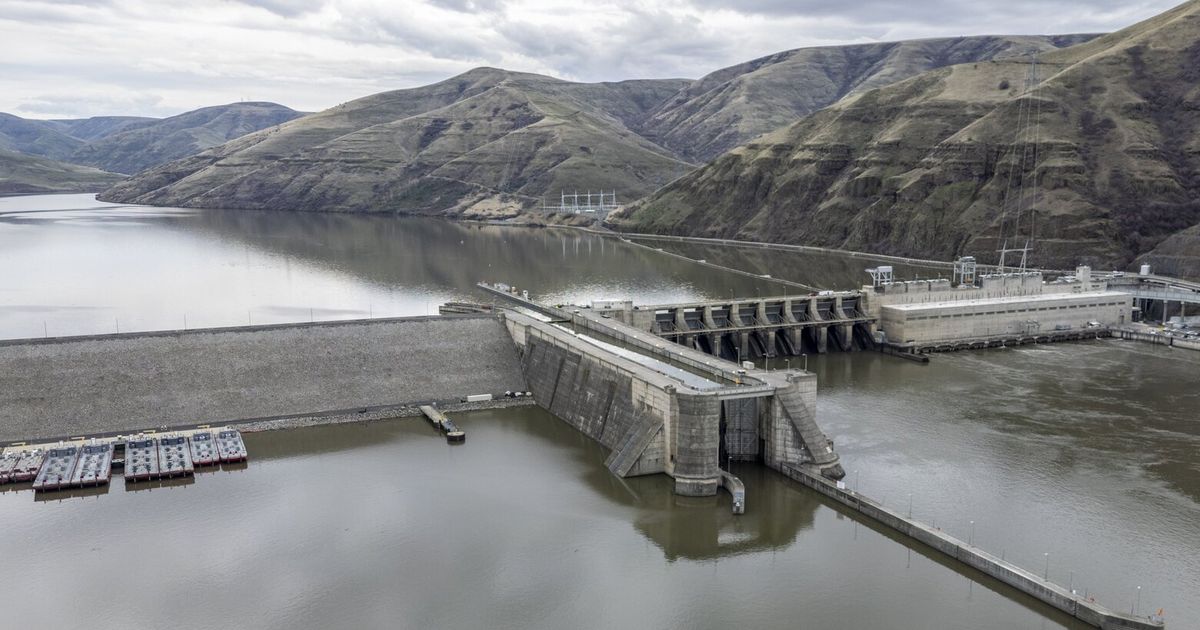
A nonprofit federal administration, BPA is self-funded by revenues from selling power and transmission services across 15,000 miles of high-voltage power lines. The juice comes from 31 federal dams and one nuclear plant, which produce about 32% of the power generated in the Northwest, sold wholesale to 142 retail customers — utilities large and small across 300,000 square miles in eight states.
Some get all their energy from BPA. Others, such as Seattle City Light, supplement their own generation with purchases from BPA. Typically, Seattle City Light gets 40% of its customers’ power from BPA — even more in low-water years, such as last year.
BPA has held multiple briefings and workshops to help lead the process as the region remakes its energy market. BPA staff in a white paper last year recommended BPA jump in the pool operated by Markets+.
But with the players in the two power pools still shaping up, some powerful policymakers are urging BPA to pump the brakes.
Aligning with energy…
Read More: Climate, energy upheavals roil Northwest power market
