
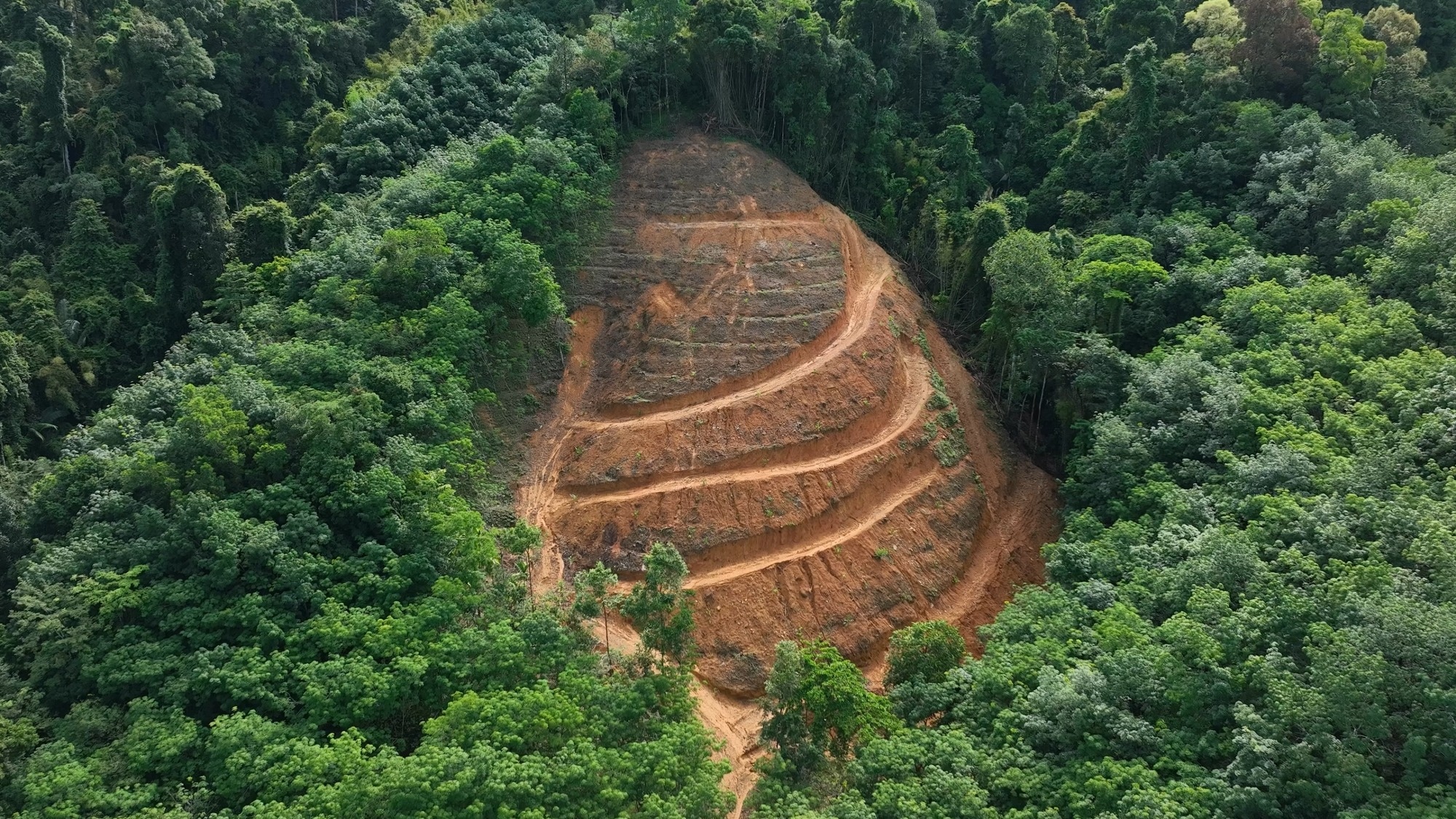

Climate action reaches far beyond power plants and tailpipes. How the world manages forests, farms, and bioenergy could help determine whether warming targets remain achievable, yet these choices carry real risks for food prices, water supplies, and biodiversity.
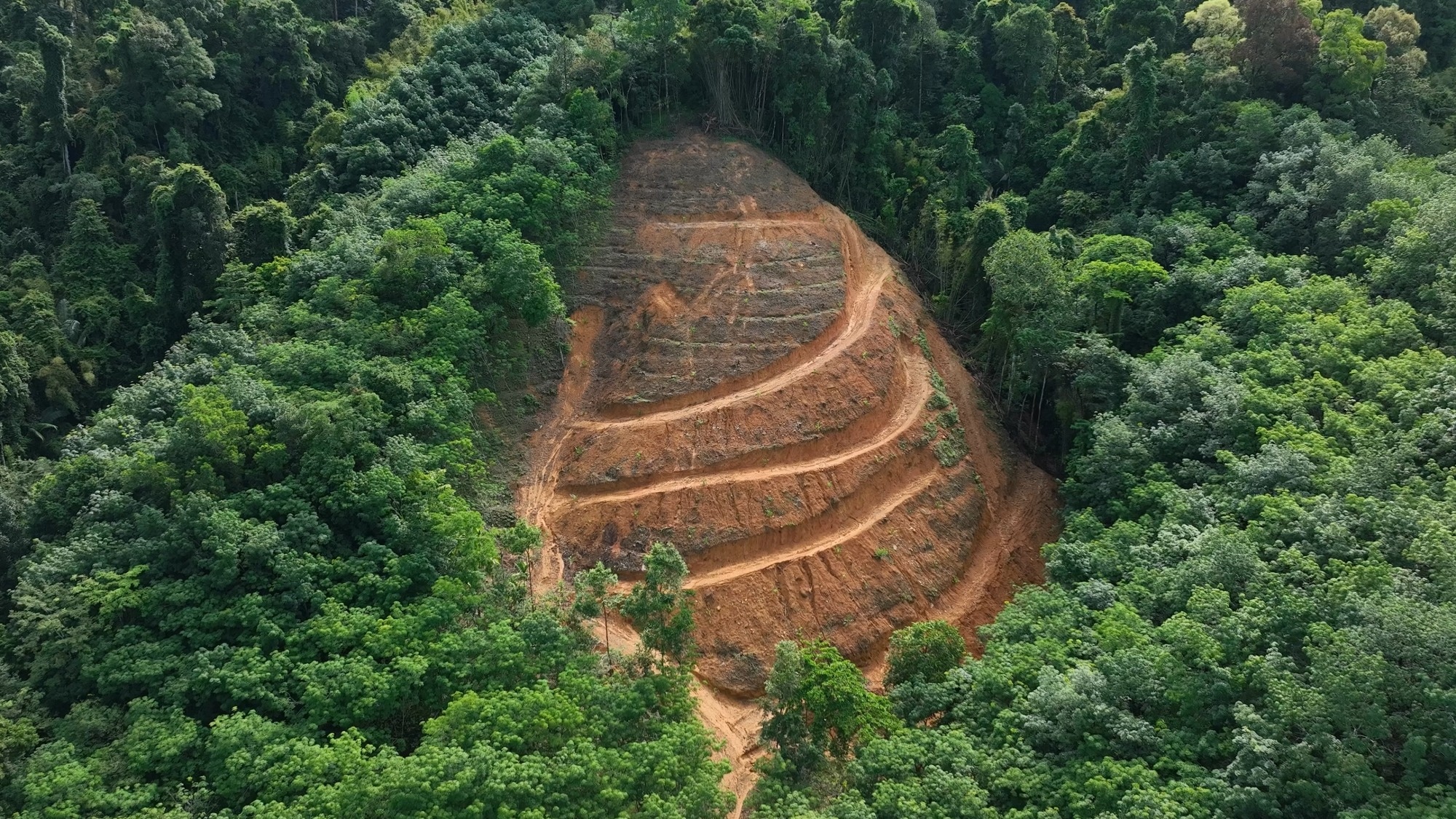
Image Credit: Andromeda stock/Shutterstock.com
A new study in Nature Sustainability explores how land and energy policies can work together without placing too much pressure on people or ecosystems. The paper analyzed the effects of climate change mitigation contributions from the Agriculture, Forestry and Other Land Use (AFOLU) sector on trade-offs between AFOLU and energy sector mitigation, as well as the economic efficiency of mitigation pathways.
AFOLU Emissions and Mitigation
A comprehensive and immediate reduction in emissions is necessary to achieve the climate targets of the Paris Agreement. The AFOLU sector contributes significantly to greenhouse gas (GHG) emissions, with carbon dioxide emissions from land-use change (LUC) contributing 9.4% of overall anthropogenic GHG emissions.
Key strategies for AFOLU mitigation include ecosystem restoration and protection to stop and reverse LUC emissions; improving agricultural management policies or practices to promote dietary changes to reduce methane and nitrous oxide emissions; and provisioning bioenergy feedstocks to serve as an option for carbon dioxide removal (CDR) through bioenergy with carbon capture and storage (BECCS) and to replace fossil fuels.
Click here to download a PDF copy of this page
AFOLU Mitigation Adverse Consequences
Several AFOLU-based mitigation approaches can lead to adverse consequences, including potentially higher food prices and more people living in poverty and at risk of hunger.
Similarly, land-based mitigation would mostly occur in developing countries under uniform or similar GHG pricing across countries, raising equity concerns. Large-scale afforestation and bioenergy can adversely affect ecosystems and biodiversity because they require large amounts of land.
Large-scale irrigated bioenergy plantations can also lead to greater water stress. LUC emissions from modern biofuels can be substantial and, without comprehensive land-protection measures worldwide, exceed fossil fuel emissions per unit.
Moreover, the feasibility of such land-related mitigation policies is also in question, specifically regarding institutional capacities and political constraints. The energy transition will be impacted either indirectly through a smaller carbon budget or directly through reduced availability of bioenergy feedstock if AFOLU mitigation fails to reach its potential.
Until now, an integrated evaluation has not been performed to reveal the trade-offs between energy system and AFOLU mitigation while realizing an ambitious climate target.
Analyzing The Effects of Ignoring Land-based Mitigation
In this work, researchers derived future mitigation pathways under various AFOLU policy portfolios…
Read More: Land and Energy Policies Must Work Together to Limit Warming
