
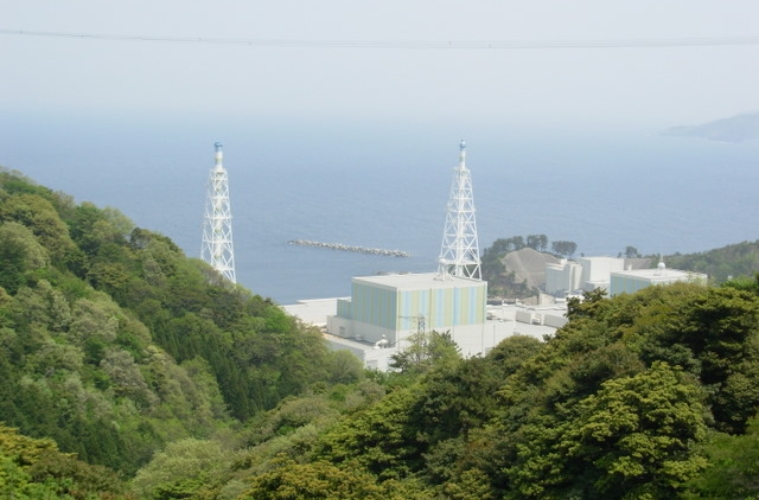

Tokyo designated 18 green transformation zones in September, eight of them focused on using decarbonized power for industry. In several, the power supply is still being arranged.
Japan is tying the location of new factories and data centers to access to decarbonized electricity, including nuclear and renewable power, and research published this month finds that several of the regions it chose are still arranging that supply. For a manufacturer weighing expansion in Japan, the designation is a shortlist, and the power terms still have to be confirmed site by site.
The Ministry of Economy, Trade and Industry (METI) designated 18 regions as green transformation (GX) Strategic Zones on Sept. 11, the first batch under a framework created in August 2025 to link decarbonization with industrial growth. One region covers industrial redevelopment in Kawasaki. Nine regions, covering 10 locations, were selected for plans to develop gigawatt-scale data center clusters over roughly a decade. The remaining eight, also covering 10 locations, focus on using decarbonized power for industrial development, according to METI’s designation notice.
The Power Behind Each Zone Varies
The eight power-focused regions span the country, from Rokkasho and Rokunohe in Aomori Prefecture to Matsue in Shimane Prefecture, home to Chugoku Electric Power’s Shimane nuclear plant. The list also takes in Akita City, Namie in Fukushima Prefecture, three industrial parks in Niigata Prefecture, and Fukui and Obama in Fukui Prefecture. METI says it will support the areas with help on capital investment, earlier transmission buildout and regulatory changes.
Each region is drawing on a different mix. A trade analysis published Oct. 15 counted four zones whose plans mention nuclear power and found that many others refer only to “decarbonized power” without naming a source. Akita’s plan centers on wind. Niigata’s own certification announcement for its three parks, including one in Kashiwazaki, points to offshore wind, hydrogen and carbon capture projects. It does not mention the Kashiwazaki-Kariwa nuclear plant nearby.
Researchers Flag a Timing Gap
The open question is whether electricity arrives when companies are ready to build. In an Oct. 14 column, Hiroki Yoda, a senior research fellow at the Daiwa Institute of Research, noted that Akita is still seeking a provider for 100% renewable supply, with fiscal 2028 as its target. Namie has industrial land ready, but its plans for decarbonized generation have not yet been developed, he wrote.
“If the timing of companies’ investment decisions and the timing of concrete power supply in the region fall out of step, the region could miss its chance to attract businesses,” Yoda wrote, in a translation from the Japanese. He also identified the program’s main remedy, which is building transmission lines before tenants arrive. Whether that buildout keeps pace with demand from data centers and semiconductor plants over the next…
Read More: Japan’s GX Zones Tie Factory Siting to Clean Power Access
