


The prospect of increased aliyah from North America and the rest of the world presents Israel with a challenge that requires both economic and practical preparation. Nefesh B’Nefesh’s forecast of more than 4,000 immigrants from North America in 2026 points to a significant movement, particularly at this challenging time for the Jewish people, both in Israel and worldwide.
The scale of aliyah in the coming years will depend, in part, on the ability to translate the willingness to immigrate into a realistic and viable plan for life in Israel. For many families, housing will be central to that decision. They will ask what they can afford to buy, what financial commitments they will need to undertake, and which community they can become part of.
At the heart of the challenge is the relationship between Israeli housing prices and the purchasing power of the capital these families have accumulated abroad.
The strengthening shekel places an additional burden on families whose assets and income are denominated in dollars. An apartment priced at NIS 3 million, for example, costs $1 million at an exchange rate of three shekels to the dollar, roughly the rate today. At four shekels to the dollar, a rate seen less than three years ago, the same apartment would have cost $750,000. That represents an increase of one-third in its dollar cost, even if its shekel price remains unchanged. A family that planned its aliyah around a particular amount of capital may discover a financing gap substantial enough to change its decision.
Homeownership abroad also requires a sober assessment. The proceeds available for purchasing a home in Israel are determined by the sale price after repayment of the outstanding mortgage, expenses, and any applicable taxes. At exchange rates on October 14, 2026, $1 million is worth approximately NIS 2.16 million before these deductions.
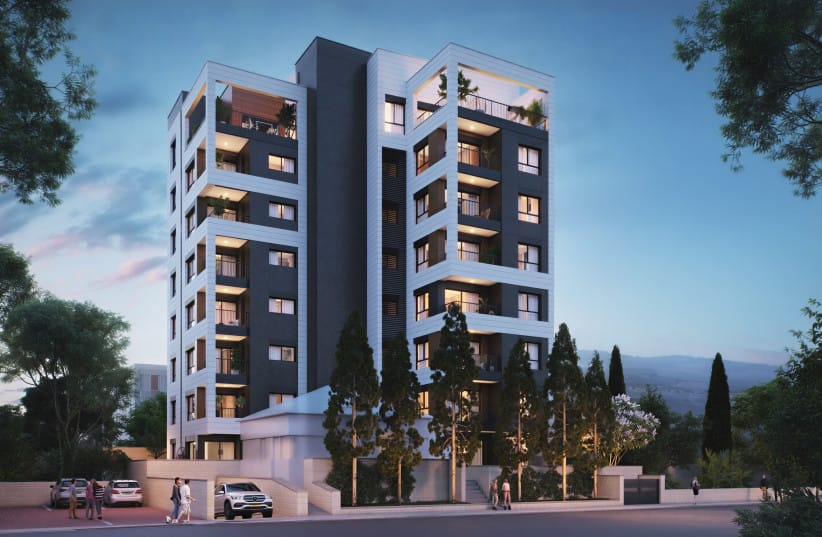
By comparison, individual apartments with three bedrooms and a living room, classified in Israel as four rooms, are on offer at approximately NIS 3.2 million in Jerusalem, NIS 3.3 million in Ra’anana and NIS 2.7 million in Beit Shemesh.
These are asking prices for specific properties, but the gap they illustrate is substantial, particularly when families also need financial reserves as they establish themselves professionally and settle into their new lives.
Assessing housing affordability for new olim
My experience as chairman of “Amidar, Israel’s national public housing company”, together with my deep familiarity with the Israeli real estate market and its established, trusted participants, has taught me to assess housing options in terms of affordability over time and the buyer’s overall circumstances.
In my current role as chairman of “Ofek Israeli”, the national company for promoting aliyah and a subsidiary of the Jewish Agency for Israel and the World Zionist Organization, the connection between these fields takes on added significance. Immigrant…
Read More: Israel’s aliyah housing challenge creates real estate opportunities
