

When investors think about the “Magnificent Seven” these days, the conversation usually revolves around artificial intelligence (AI) and the staggering sums of money being spent to support it.
And the capital expenditure plans coming from some of the biggest names in tech are truly mind-boggling.
Amazon, for example, recently announced plans to spend an extraordinary $200 billion on capital expenditures in 2026. Alphabet and Meta Platforms aren’t far behind, with management teams guiding for up to $185 billion and $135 billion in spending this year, respectively.
But while these companies are betting their balance sheets on the AI infrastructure race, I think there is a much more attractive way to invest in this space over the long haul.
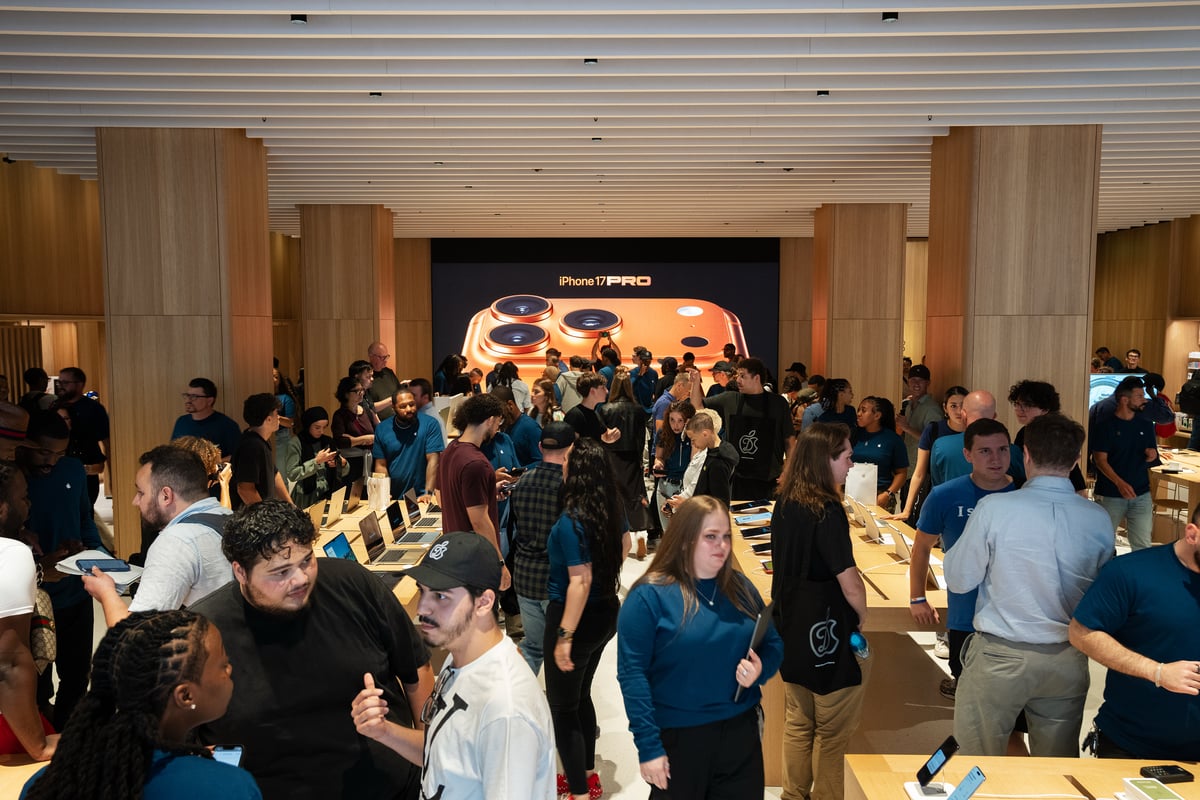
Apple (AAPL +2.65%) stands in stark contrast to its big tech peers, offering investors a uniquely capital-light approach to the future of computing.
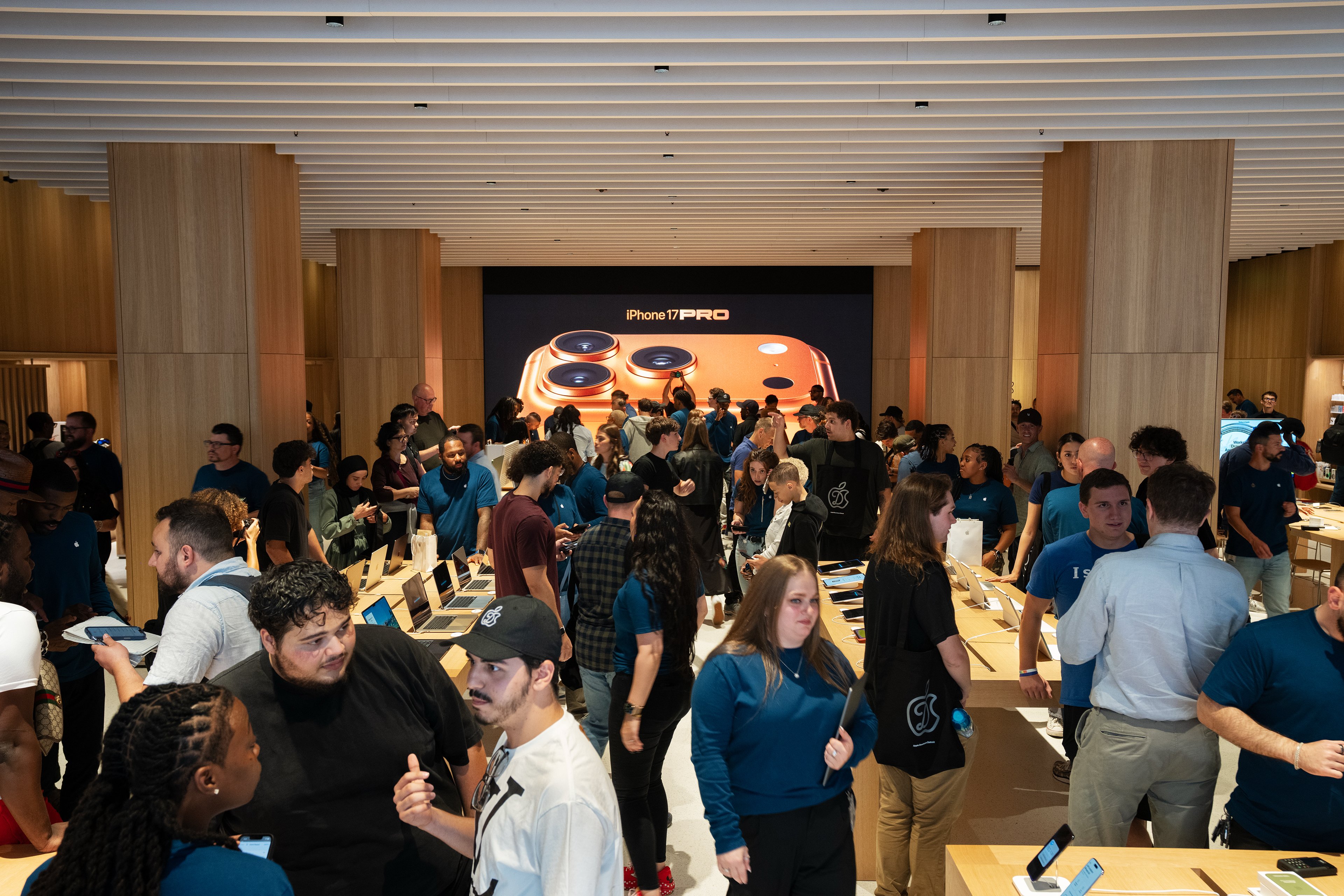
Image source: Apple.
A stark contrast in spending
To fully grasp the bull case for Apple today, you have to look at how different its financial model is from the rest of the pack.
In fiscal 2025, Apple’s capital expenditures were just $12.7 billion.
While that figure may tick higher as the company continues to integrate Apple Intelligence across its ecosystem, it is a drop in the bucket compared to the arms race its peers are engaged in.
In other words, Amazon is preparing to spend more than 15 times what Apple spent in all of its last fiscal year.
And I’d argue that Apple can still benefit from the AI boom — and do so without taking on the same infrastructure risks. By partnering with AI model providers like Alphabet, the company can still use AI to drive hardware upgrades and deepen engagement in its high-margin services segment.
Unique competitive advantages
Another reason to like Apple is the fundamental nature of its core business. As AI models become more advanced, there is a lingering fear that software — and even cloud computing AI models themselves — could eventually be commoditized. Apple’s business, however, is highly dependent on a powerful brand and the careful integration of hardware, software, and services.
Further, consumers don’t just buy iPhones and Macs for their raw computing power; they buy them because they are deeply embedded in Apple’s integrated ecosystem. In other words, buying an Apple product is like buying into an entire ecosystem of devices that work together seamlessly, creating a “sticky” customer experience and leading to significant customer loyalty.
Headed into earnings
Investors will get their next look at the company’s financial health when Apple reports its fiscal second-quarter 2026 results on April 30.
But looking back at the company’s fiscal first quarter (the important holiday period ended in late December), the business is already demonstrating impressive momentum.
Apple’s revenue for the quarter hit $143.8 billion — up 16% year over year. And profitability grew even faster, with earnings per share surging 19% to…
Read More: This Is My Favorite “Magnificent Seven” Stock Headed Into Earnings
