


The sudden collapse last fall of a string of American companies backed by private credit has thrust a fast-growing and opaque corner of Wall Street lending into the spotlight.
Private credit, also known as direct lending, is a catch-all term for lending done by nonbank institutions. The practice has been around for decades but surged in popularity after post-2008 financial crisis regulations discouraged banks from serving riskier borrowers.
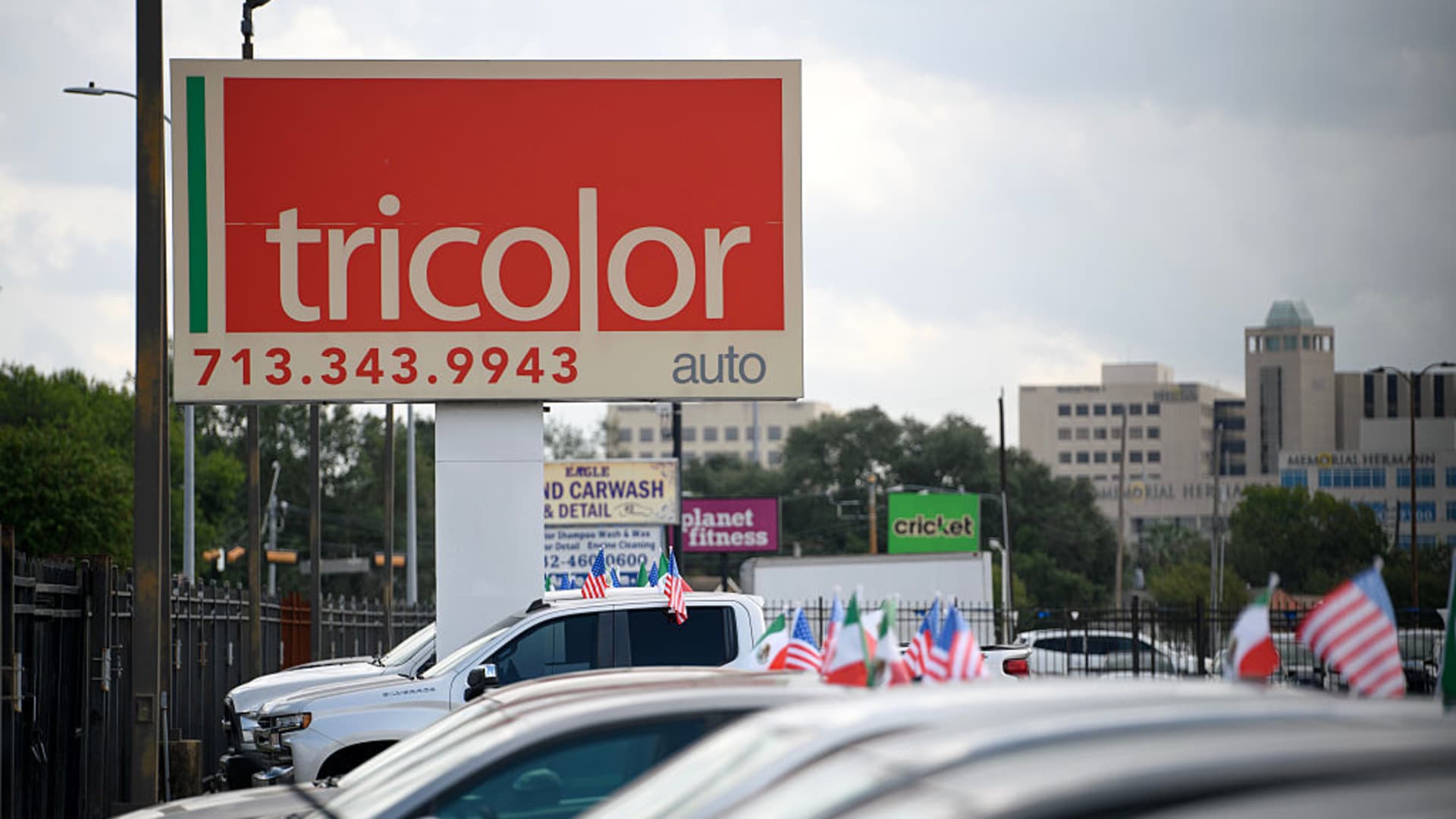
That growth — from $3.4 trillion in 2025 to an estimated $4.9 trillion by 2029 — and the September bankruptcies of auto-industry firms Tricolor and First Brands have emboldened some prominent Wall Street figures to raise alarms about the asset class.
JPMorgan Chase CEO Jamie Dimon warned in October that problems in credit are rarely isolated: “When you see one cockroach, there are probably more.” Billionaire bond investor Jeffrey Gundlach a month later accused private lenders of making “garbage loans” and predicted that the next financial crisis will come from private credit.
While fears about private credit have subsided in recent weeks in the absence of more high-profile bankruptcies or losses disclosed by banks, they haven’t lifted completely.
Companies that are most linked to the asset class, such as Blue Owl Capital, as well as alternative asset giants Blackstone and KKR, still trade well below their recent highs.
The rise of private credit
Private credit is “lightly regulated, less transparent, opaque, and it’s growing really fast, which doesn’t necessarily mean there’s a problem in the financial system, but it is a necessary condition for one,” Moody’s Analytics chief economist Mark Zandi said in an interview.
Private credit’s boosters, such as Apollo co-founder Marc Rowan, have said that the rise of private credit has fueled American economic growth by filling the gap left by banks, served investors with good returns and made the broader financial system more resilient.
Big investors including pensions and insurance companies with long-term liabilities are seen as better sources of capital for multiyear corporate loans than banks funded by short-term deposits, which can be flighty, private credit operators told CNBC.
But concerns about private credit — which tend to come from the sector’s competitors in public debt — are understandable given its attributes.
After all, it’s the asset managers making private credit loans that are the ones valuing them, and they can be motivated to delay the recognition of potential borrower problems.
“The double-edged sword of private credit” is that the lenders have “really strong incentives to monitor for problems,” said Duke Law professor Elisabeth de Fontenay.
“But by the same token … they do in fact have incentives to try to disguise risk, if they think or hope that there might be some way out of it down the road,” she said.
De Fontenay, who has studied the impact of private equity and debt on corporate America, said her biggest concern is that it’s difficult to…
Read More: Wall Street braced for a private credit meltdown. The risk is rising
