
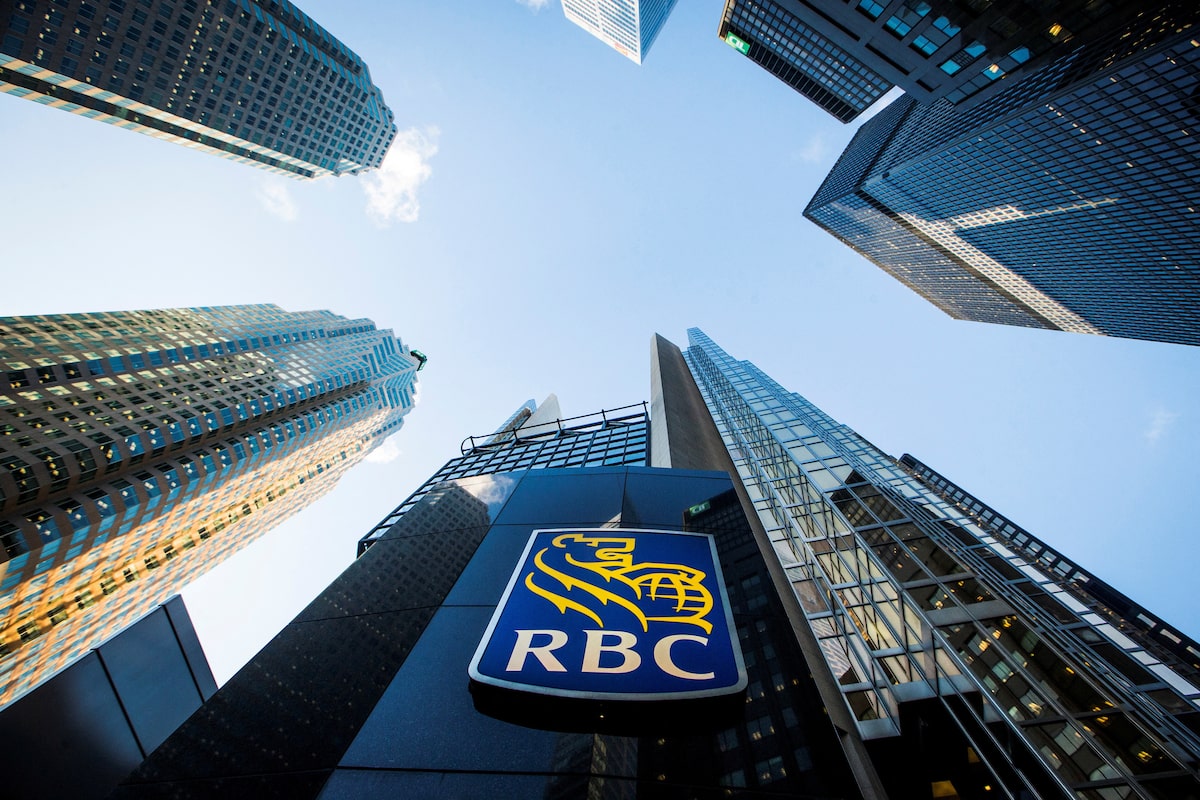


RBC and National Bank both posted higher fourth-quarter profit Wednesday that exceeded analyst estimates.Mark Blinch/Reuters
Royal Bank of Canada’s RY-T chief executive officer says tighter immigration and trade policies are clouding the banking industry’s outlook for next year, and political leaders need to resolve the concerns causing uncertainty.
Canada’s largest lender and National Bank of Canada NA-T both reported fourth-quarter earnings Wednesday, and leaders of both cautioned of risks to the economy as the banking sector moves into a new fiscal year that started Nov. 1. The banks posted profits that beat analyst expectations on higher-than-expected revenue growth, even as provisions for loans that could default edged up.
Among the risks looming in 2025, RBC CEO Dave McKay also pointed to weaker consumer spending and business conditions, as well as rising unemployment. On tariffs, he said government leaders need to find a solution and Canada needs to explore options to reinforce its economy in the face of these threats.
“This was a strong message that we have to improve certain aspects of our operations in Canada around our borders. And there are other ways of solving that without hurting both economies – the Canadian economy and the U.S. economy,” Mr. McKay said during a conference call with analysts, adding that the uncertain outlook does not affect the bank’s strategy or business operations.
“I expect our political leaders to find a better path to do that. The key is not to overreact right now.”
U.S. president-elect Donald Trump has said he plans to impose 25-per-cent tariffs on all products from Canada and Mexico. And the Canadian government has said it will scale back its annual immigration targets.
At the same time, some conditions are improving to help counteract these concerns. Mr. McKay said that consumer income and savings levels are rising, and the Bank of Canada has slashed the cost of borrowing.
National Bank CEO Laurent Ferreira said Wednesday that the Canadian government needs to act quickly to get ahead of the negotiation tactics of the new U.S. administration.
“We need to take this very seriously, and we need to think about what the response would be from Canada,” Mr. Ferreira said in an interview. “Whether it’s the business community or government, we should all get together, discuss and have a more united approach toward what we should do. There are growing concerns amongst everyone, including government, about productivity in our country.”
Bay Street is closely watching policy developments in the United States as Mr. Trump prepares to take office. Scotiabank CEO Scott Thomson predicted Tuesday that uncertainty prompted by government leadership changes in the U.S. and Mexico – markets that are key to his plan to rejig the bank – will ease quickly.
On Wednesday, Moody’s Ratings upgraded its global outlook for banks to stable from negative, citing stabilizing economic…
Read More: Immigration and trade policies cloud next year’s outlook, RBC CEO says as
