
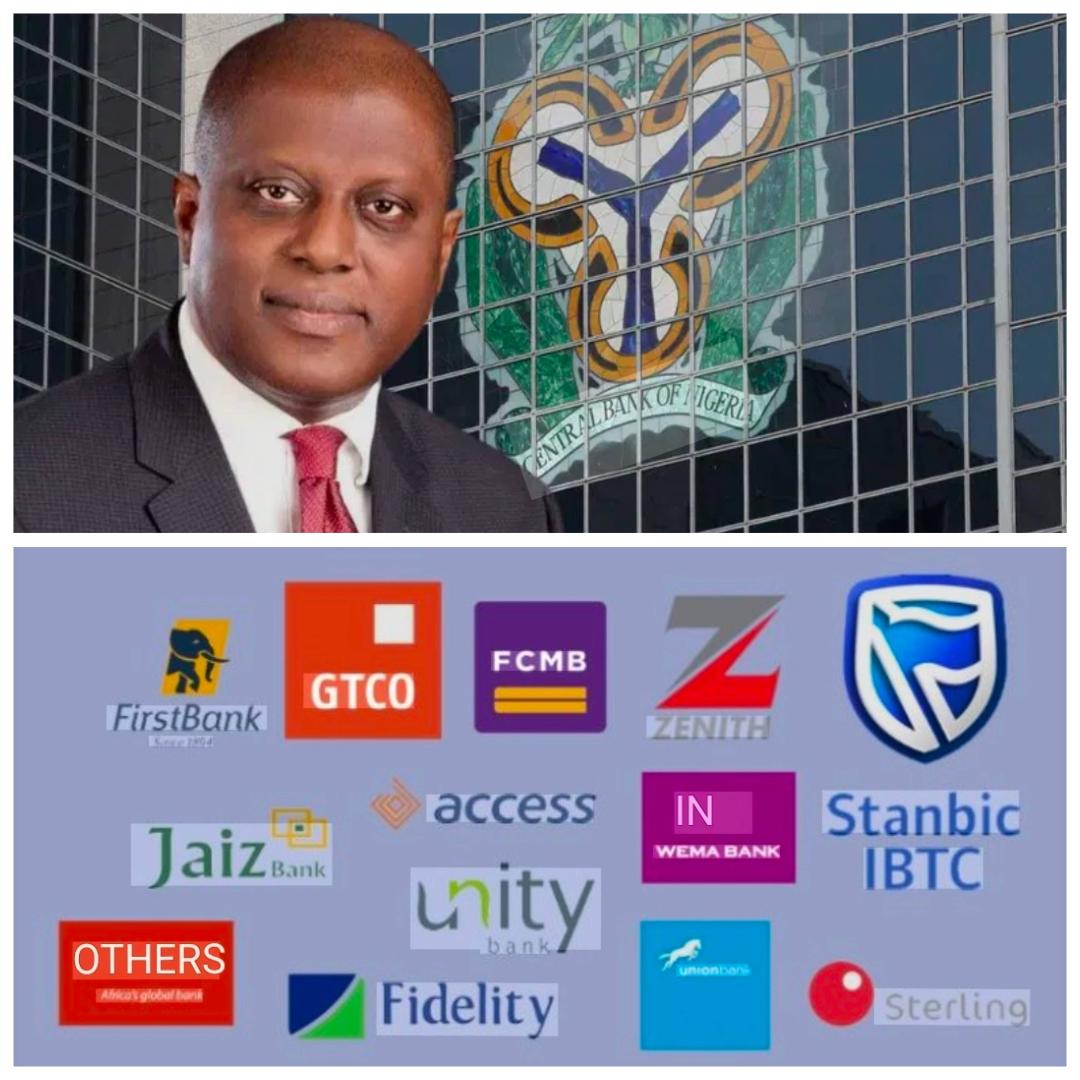

Nigeria’s banking industry appears to be caught in a troubling contradiction as it exhibits two opposing behaviours or realities that are difficult to reconcile. The reason is that banks want Nigerians to trust them with their deposits, investors to commit billions of naira to their shares, businesses to depend on their credit facilities and the government to recognise them as indispensable partners in building a $1 trillion economy. Moreover, the irony here and worse still is that some financial institutions appear less concerned about publishing their financial results promptly, leaving investors waiting for information they deserve.

That contradiction is becoming increasingly difficult to ignore because this is no longer just about delayed financial statements. To investors, it raises serious questions about corporate governance, the integrity of Nigeria’s capital market, the protection of minority shareholders and the credibility of the Central Bank of Nigeria (CBN). Meanwhile, it is expected to ensure discipline and accountability across the banking industry but the case has been otherwise.
Fidelity Bank provides a particularly conspicuous and clear example and its prolonged delay in publishing its half-year 2026 audited financial statements. For this has become a concern to many, as this act has left investors waiting for information they need to assess the bank’s performance. In its October 5 disclosure, the bank indicated that publication would follow regulatory approval but did not provide a definitive date for the release.
The bank also confirmed that its insider trading window would remain closed until 24 hours after the publication of its outstanding half-year audited and nine-month unaudited financial statements. While that restriction is a necessary precaution, it also illustrates how the delay has disrupted the normal flow of information to the market.
At this point, come to think of it from this angle, the question is no longer simply why Fidelity needed additional time. The key concern is that it is why the process has taken so long and what exactly is preventing investors from accessing information they are entitled to examine and be aware of.
If regulatory approval is the obstacle, the CBN must explain the nature of the bottleneck. If the bank has unresolved reporting issues, Fidelity must communicate clearly with its shareholders. If there are legitimate supervisory concerns, the regulator must address them without allowing uncertainty to become the industry’s operating culture.
Read also; Emefiele: Witness say CBN bypassed board, altered Buhari-approved naira redesign
Unbeknownst of them is that a financial institution cannot indefinitely hide behind the convenient explanation for its lack of disclosure that it is awaiting regulatory approval. That may describe a procedural situation, but it does not remove the bank’s responsibility to communicate with its investors.
Another fact that must be…
Read More: Nigeria’s banks want blind trust, not public accountability
