
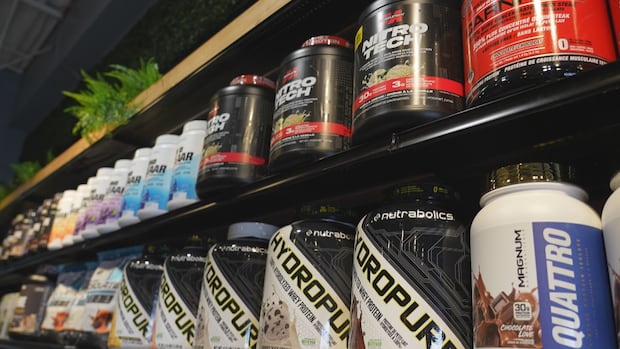

Jennifer Mason is trying to eat more protein and has supplemented her diet with whey protein powder over the past few years. But lately, soaring prices are giving her sticker shock. And as a new mom with rising expenses, she’s rethinking her shopping list.
“I’m just cutting back. I’m trying to find protein in whole foods that I’m eating rather than actually getting products,” she says.
To meet growing demand, food manufacturers and fast food companies are putting whey protein into everything from snacks to drinks. That’s contributing to shortages of the ingredient and pushing prices to record highs. Now whey protein is also caught in the U.S.-Canada trade war, increasing costs that may end up being passed on to consumers.
Protein on the menu
From chips and Pop-Tarts to candy, protein-packed foods are popping up on grocery store shelves. Khloé Kardashian recently launched protein popcorn. Starbucks is offering protein cold foam, catching up with the whey protein shots on the menu at Booster Juice.

Major brands are adding whey protein to their products to appeal to health-conscious consumers. Fitness influencers are pushing protein-maxxing, a trend of consuming dietary protein at every opportunity. And as more people take weight-loss drugs like Ozempic, some are also eating more protein to prevent muscle loss.
It’s all eating into the global supply of whey protein concentrate, one of the most popular ingredients used in high-protein foods.
John Murray manages marketing for Daryl’s Bars, a protein snack manufacturer in Tecumseh, Ont. He says as major companies secure large orders of whey, “that leaves the little guys like us scrambling to try and secure enough for our operations.”
Canada imports most of its whey protein concentrate from the U.S., where prices have more than doubled over the past year and a half.
The U.S. Dairy Export Council says “domestic demand for high-protein whey has been insatiable” — so much so, that less whey is available for export.
That demand has also driven up prices. Whey protein concentrate, known as WPC80, rose 60 per cent in 2025. By June 2026, buyers were facing another 76 per cent increase.

To keep up with rising costs, Murray says his company has been forced to raise prices on its protein snacks.
“We absorbed as much as we could, but over the last year it’s just been impossible. It’s been outstripping our margins completely,” he said.
Most of the company’s whey protein comes from Wisconsin, and Murray says there are few alternatives.
“If we could source 100 per cent of everything that we needed from inside Canada, we would opt for that.”
Caught in the trade war
The trade war is further squeezing food manufacturers….
Read More: Whey up: Protein powder prices soar as global demand grows
