

Civil Society Organisations (CSOs) across the globe are restoring degraded landscapes, protecting biodiversity and supporting communities to build resilience to climate change. They are often the first to test innovative approaches—working directly with local communities and demonstrating practical and achievable restoration solutions. However, despite their wealth of knowledge and commitment to restore landscape, these organisations often struggle to gain access to the long-term investment and partnerships needed to scale their work.
Recognising this challenge, the Strengthening Civil Society’s Role in Achieving Land Degradation Neutrality (CS4LDN) initiative is helping shift the conversation from project-based fundraising towards long-term investment for restoration. Supported by the Global Environment Facility (GEF) and implemented by IUCN, Drynet and Both ENDS, CS4LDN is strengthening civil society’s ability not only to implement restoration activities, but also to mobilise finance, build strategic partnerships and become a stronger partner in achieving Land Degradation Neutrality (LDN).
Building Skills to Finance and Scale Restoration
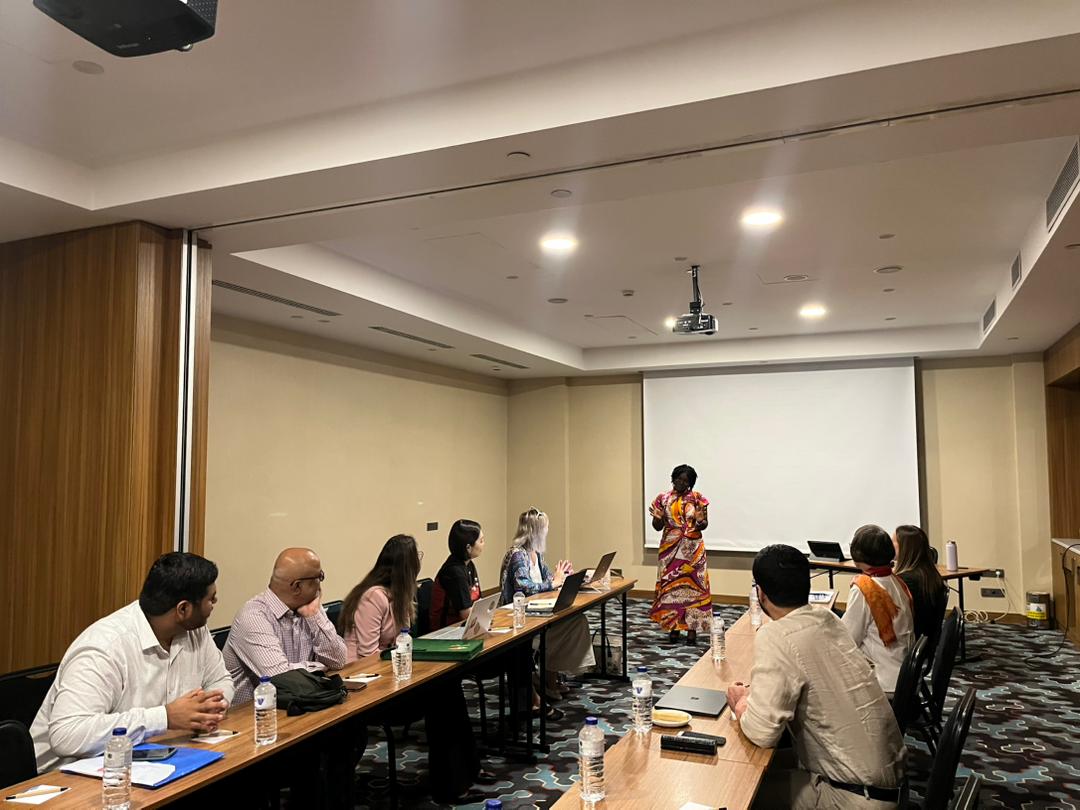
Building on this vision, CS4LDN hosted three regional Business Development and Investment Planning workshops in Türkiye, Kenya and Peru this summer. The workshops brought together more than 58 representatives from 28 countries across Asia, Africa and Latin America and the Caribbean.
The sessions focused not only on writing strong funding proposals but also facilitated participants in exploring how to position their organisations as credible long-term partners capable of delivering restoration outcomes, building sustainable partnerships and mobilising diverse sources of finance. Participants developed practical business development and investment planning skills while strengthening their understanding of donor expectations, stakeholder engagement, financing opportunities and organisational sustainability.
Workshop participants highlighted stronger confidence in developing investment-ready initiatives, such as integrating business planning into organisational strategies and improving resource mobilisation. Many also committed to sharing these approaches with colleagues, extending the impact well beyond the workshop participants themselves.
Building Partnerships for Greater Impact
Beyond skill-building, these workshops also served as a crucial location to build partnership to strengthen restoration on a regional and global stage. Ahead of the United Nations Convention to Combat Desertification (UNCCD) 17th Conference of Parties (COP17) taking place in August of 2026, each workshop was attended by government representatives responsible for coordinating implementation of UNCCD. These speakers shared national experiences from each of the three host countries in addressing Land Degradation Neutrality (LDN), opening dialogue on how civil society can contribute more effectively to national and global…
Read More: Beyond Training: Building a Stronger Civil Society to Finance and Scale
