
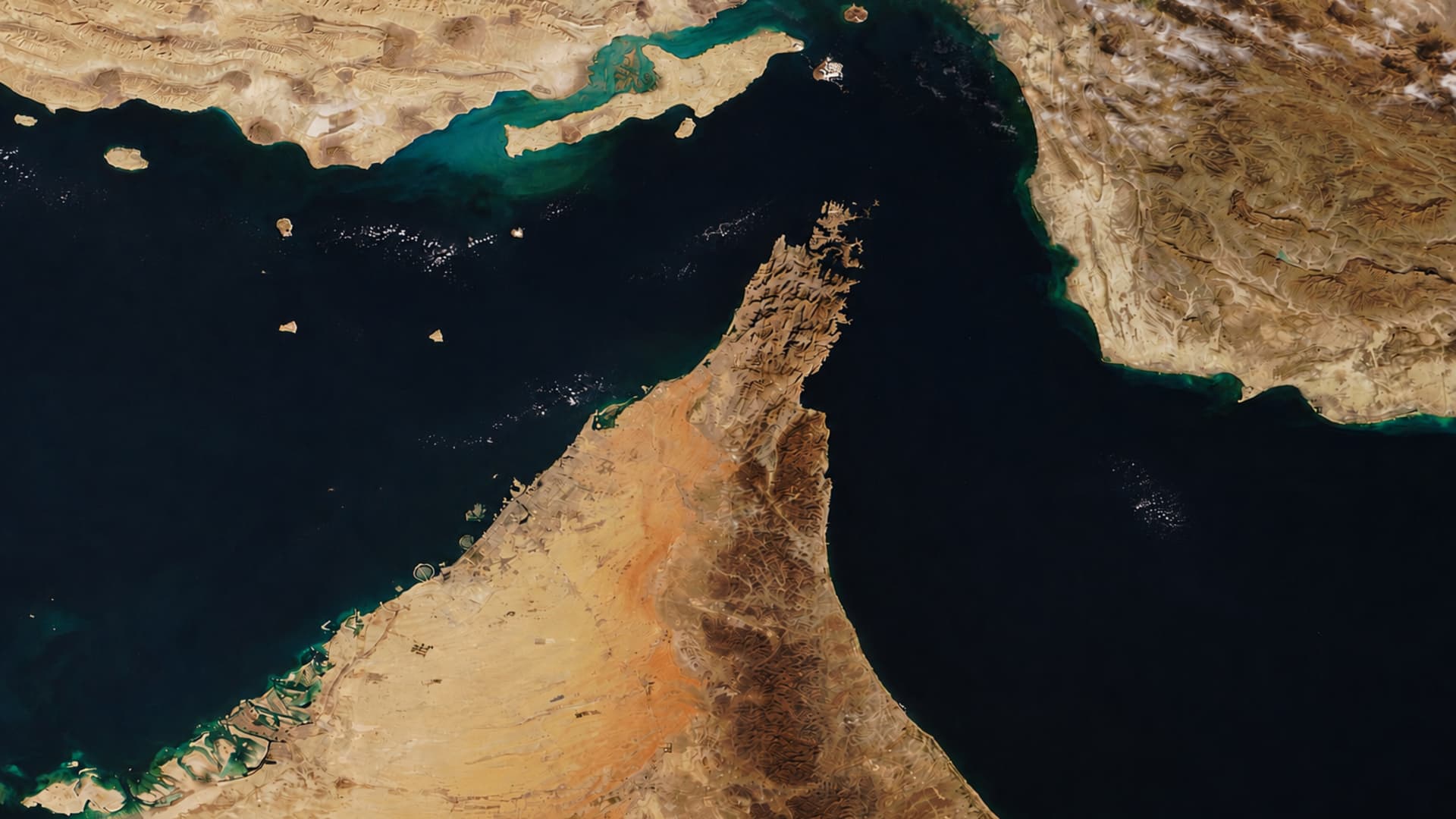


The oil market might face a new reality after the Iran war in which exports through the Strait of Hormuz do not return to the levels once considered normal, as shipowners now have to weigh the risk that fighting could abruptly break out in the volatile Persian Gulf.
And Western commercial ships will likely hesitate to sail through Hormuz if it remains under Iran’s de facto control, especially if they have to coordinate with the Revolutionary Guard, putting them at risk of violating U.S. sanctions.
It is a scenario with consequences that are difficult to foresee given the vital role that Hormuz plays in global energy markets. Freedom of navigation through the strait was never seriously challenged until Iran basically closed the sea lane in response to the war launched by the U.S. and Israel on Feb. 28.
Iran’s blockade of Hormuz has triggered the largest oil supply disruption in history, putting pressure on the U.S. to make a deal as the threat to the global economy grows by the day. Tehran appears intent to use this leverage to consolidate control over the strait in a settlement that ends the war.
Middle East leaders believe that Iran has already taken control of Hormuz, said Amos Hochstein, who served as a senior energy and national security advisor to former President Joe Biden.
“No matter what happens, the Iranians will control the Strait of Hormuz for the foreseeable future,” Hochstein told CNBC’s “Squawk Box” on Thursday. “It doesn’t even matter what the deal says. Everybody in the region believes that.”
Oil tanker traffic through Hormuz before the war might represent the high point for transits for the foreseeable future, said Helima Croft, head of global commodity strategy at RBC Capital Markets.
“Any end to the conflict that leaves Iran exercising operational control and influence over the Strait will result in appreciably lower flows through the waterway in our view,” Croft told clients in a Thursday note.
Traffic under this scenario might return to 60% to 70% of prewar volumes with China-affiliated ships moving freely while passage for Western vessels require bilateral agreements with Iran, said Richard Meade, editor-in-chief of Lloyd’s List, in a briefing on May 21.
“This doesn’t trigger a recession in the way that some of the doomsday scenarios that we’ve talked about before might suggest, but it does not allow the prewar rebound,” Meade said. Lloyd’s List is one of the oldest shipping industry trade journals in the world.
“It produces something more insidious,” Meade continued. “A permanently bifurcated strait where access is a function of political alignment, not freedom of navigation.”
The Red Sea crisis
The crisis that throttled ship traffic through the Red Sea shows how geopolitical instability can disrupt trade chokepoints for much longer than originally expected.
Houthi militants in Yemen that are allied with Iran started attacking commercial ships in November 2023 in response to Israel’s war in Gaza. The attacks began on Nov….
Read More: Oil exports through Hormuz might not return to levels before Iran war
