
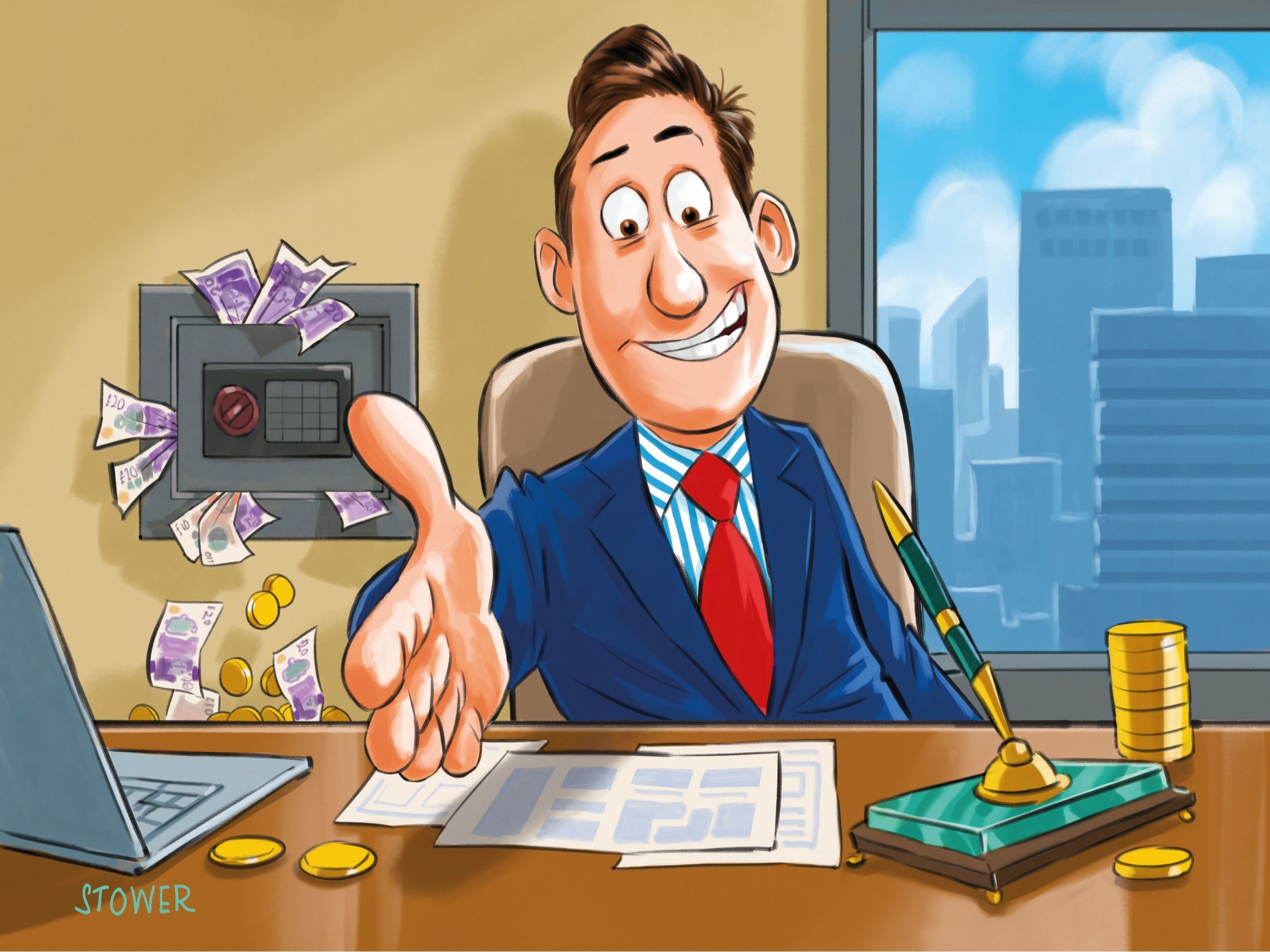

Bank stocks were hit hard by the 2008 financial crisis. Years of heavy borrowing left many banks exposed, and some of the most trusted names collapsed. Investors faced huge losses as governments stepped in with taxpayer-funded bailouts. In response, regulators introduced strict new rules to prevent a repeat. These measures weighed on profits for years, but the sector has now come through that difficult period. Today, banks are much safer than they were before the crisis. Big investors have returned, helping to push up share prices; some have even tripled in recent years. As valuations edge back towards more normal levels, an important question remains. Do these high-yielding stocks still deserve a place in a portfolio, or have the easiest gains already been made?
Bank stocks’ wilderness years
While investors remained cautious, regulators rebuilt the global financial architecture. There has been a substantial increase in banks’ capital, the cushion that stands between bank assets and insolvency. Core capital ratios, which give the size of this cushion expressed as a percentage of the bank’s total risk, were as low as 4% pre-crisis; today, they often exceed 15%. In the UK, the Vickers Report mandated a separation between retail and investment banking operations. This altered the nature of the business and kept valuations low.
Sign up to Money Morning
Don’t miss the latest investment and personal finances news, market analysis, plus money-saving tips with our free twice-daily newsletter
Don’t miss the latest investment and personal finances news, market analysis, plus money-saving tips with our free twice-daily newsletter
Jamie Dimon provided the first credible signal that this era of stagnation was ending. In February 2016, the chief executive of JPMorgan Chase invested $26 million of his own money into his bank’s stock. He purchased the shares at roughly $56 per share, which aligned with the company’s book value at the time. Dimon realised that the regulatory clean-up was largely complete. He saw an institution that was well-capitalised and undervalued, yet still priced as if it was ruined. His investment marked the start of a decade-long rally that eventually saw the stock price rise more than fivefold. It would take several more years and a radical change in the interest-rate environment…
Read More: The best banks to invest in as the sector makes a comeback
