
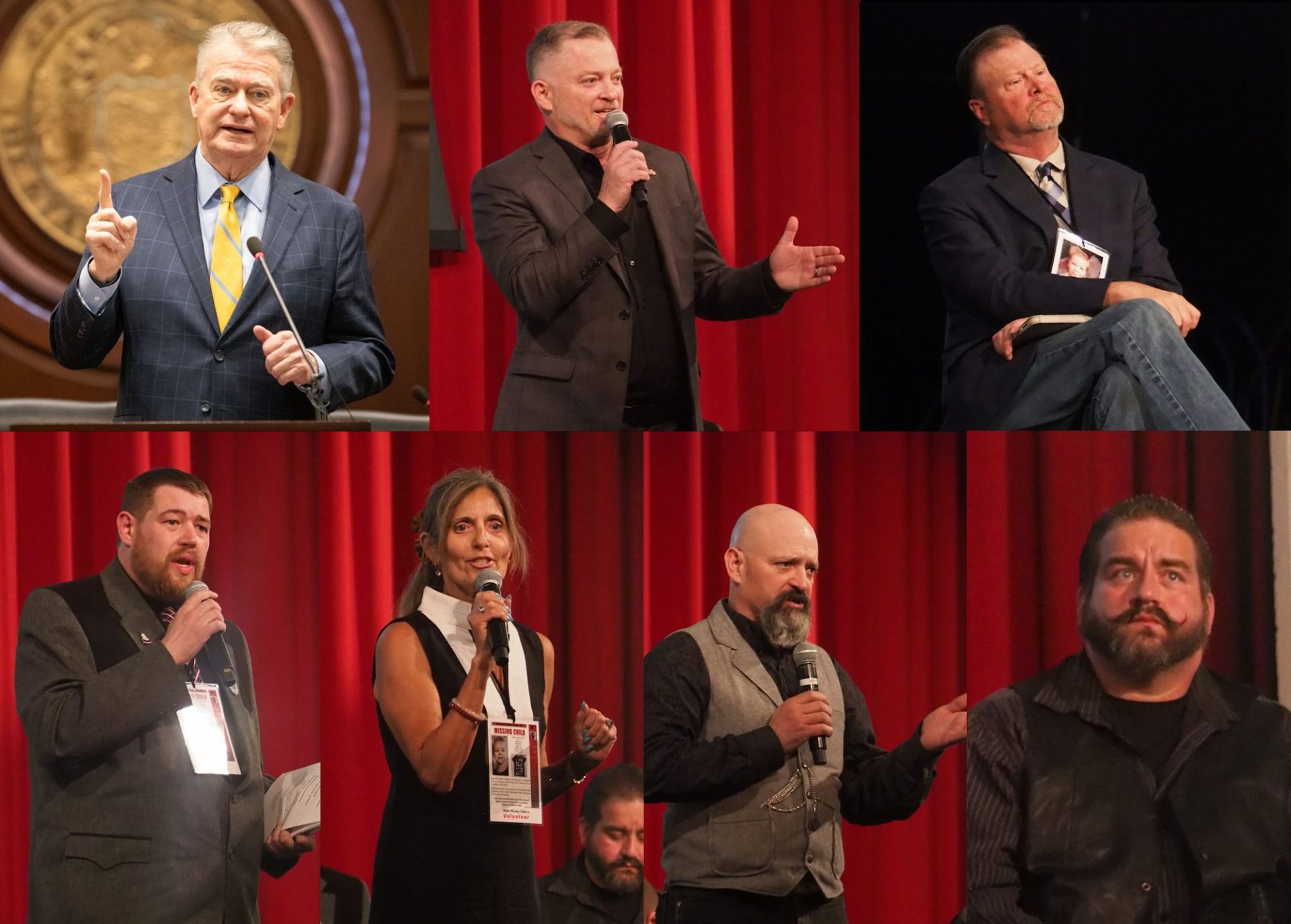

Seven Republicans want to replace Gov. Brad Little.
This crowded, underfunded field seems ideal for a well-known, well-financed incumbent. The conventional wisdom goes like this. A cluster of challengers shaves off splinters of the protest vote. No one candidate can break out and pose a true test. And Little coasts through the May 19 GOP primary.
</p><p>” data-large-file=”https://www.idahoednews.org/wp-content/uploads/2026/02/Little-Idaho-Press-Club-2.17.26-1180×924.jpeg” class=”wp-image-114903 size-large” alt=”” width=”1180″ height=”924″ srcset=”https://www.idahoednews.org/wp-content/uploads/2026/02/Little-Idaho-Press-Club-2.17.26-1180×924.jpeg 1180w, https://www.idahoednews.org/wp-content/uploads/2026/02/Little-Idaho-Press-Club-2.17.26-620×486.jpeg 620w, https://www.idahoednews.org/wp-content/uploads/2026/02/Little-Idaho-Press-Club-2.17.26-200×157.jpeg 200w, https://www.idahoednews.org/wp-content/uploads/2026/02/Little-Idaho-Press-Club-2.17.26-1536×1203.jpeg 1536w, https://www.idahoednews.org/wp-content/uploads/2026/02/Little-Idaho-Press-Club-2.17.26.jpeg 1920w” sizes=”auto, (max-width: 1180px) 100vw, 1180px”/<figcaption id=) Gov. Brad Little speaks to Statehouse reporters at a question-and-answer session in February. (Kevin Richert/Idaho EdNews)
Gov. Brad Little speaks to Statehouse reporters at a question-and-answer session in February. (Kevin Richert/Idaho EdNews)“The real surprising thing about the governor’s primary, I think, is the fact that in an era of such a divided and fractured Republican Party … we don’t have a strong, very conservative, significantly right candidate of stature,” said Boise Republican David Leroy, a former attorney general and lieutenant governor.
While surprising, this isn’t exactly accidental.
It comes after Little has spent eight years in office pivoting to the right, deferring to hardliners in the Legislature — and neutralizing some of his conservative opposition. And after Little has reset his political coalition, turning his back on the teachers’ union that played a pivotal role in past elections.
A crowded field — but no marquee challenger
Eight years can make a difference. So can four years.
In May 2018, Little prevailed in one of the most fierce statewide elections in recent memory — and, with fundraising exceeding $4.6 million, one of the spendiest. The open seven-person primary essentially pit Little against then-U.S. Rep. Raúl Labrador and Boise developer and physician Tommy Ahlquist. Little won with 37% of the vote.
 GOP politics — and Little — have changed since 2018. This election proves