


Outside of my day job, I’m the co-founder and editor-in-chief of Cultivated Media, a media company serving professionals in the legal cannabis industry.
It’s important to note we cover cannabis like any other publication. We have a newsletter, we publish stories, we host live interviews on YouTube and LinkedIn, but we don’t grow or sell any cannabis products.
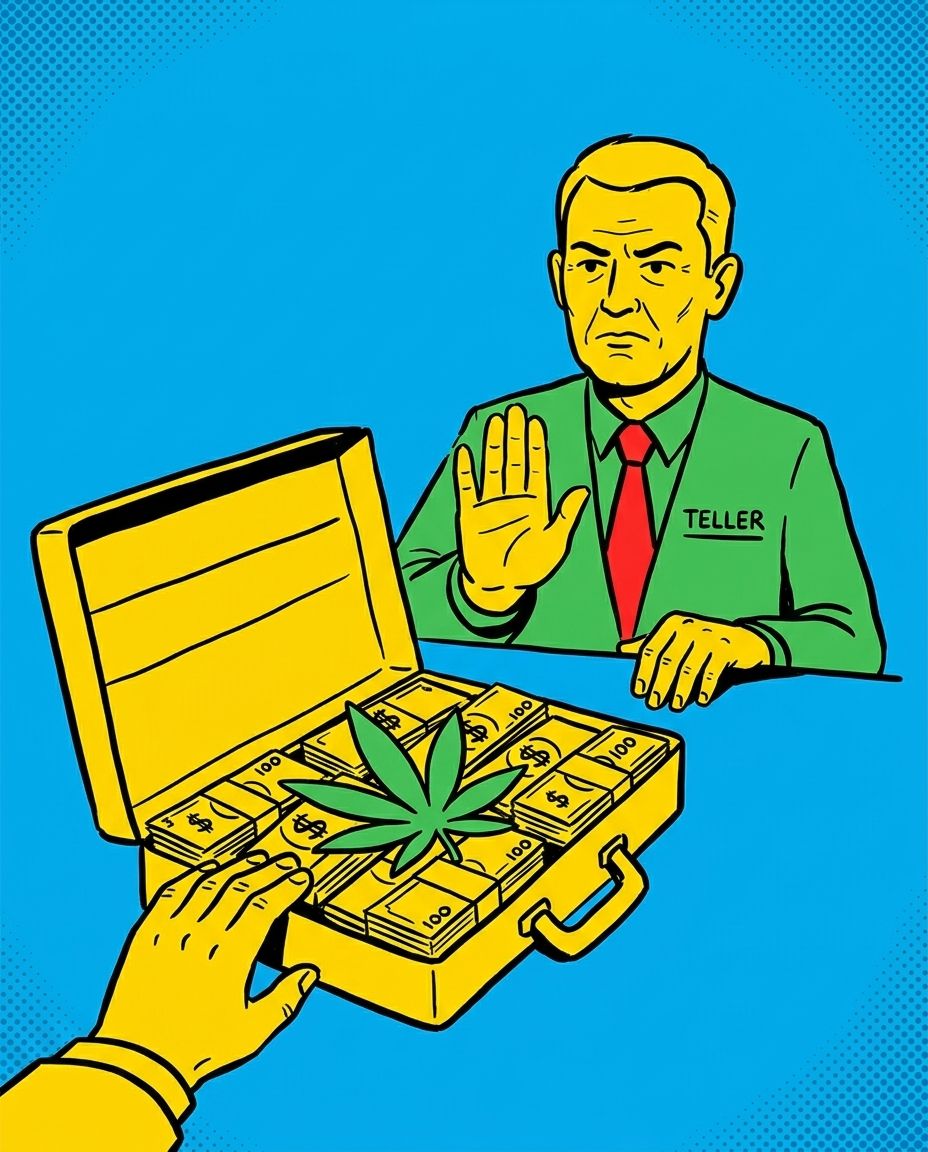
Last month, Chase abruptly shut down our bank account, only to later reverse course after a LinkedIn post and a lot of back-and-forth.
I’m sharing this story as a window into just how insane it is to run any business with a whiff of legal cannabis, well over a decade after Colorado and Washington first legalized sales.
To understand why this happened, you need a little background into why cannabis banking is such a mess. And in an ironic twist, Acting Attorney General Todd Blanche this week ordered medical cannabis reclassified from the most restrictive Schedule I to the far less restrictive Schedule III, with a DEA hearing set for June to consider consumer cannabis as well, just about a week after the story I detail below went down.
But until those changes go through, the federal government still considers the vast majority of cannabis sales as a Schedule I drug with a high potential for abuse.
In practice, that means any federally chartered bank faces significant legal exposure if it chooses to take cannabis-related deposits or extend loans and lines of credit to cannabis businesses, regardless of whether they’re legal in the state in which they operate.
That means legal cannabis businesses are often frozen out of the broader American financial system, forcing customers to pay in cash, and in turn, forcing businesses to pay their tax bill in cash which creates tons of complications. Many local credit unions will work with cannabis businesses, but the big banks, like Chase, mostly won’t. It’s a risk-reward calculus that each financial institution makes.
Even worse, any company that’s remotely cannabis-adjacent, like ours, is at risk of being de-banked. That means lawyers who help cannabis firms navigate regulatory complexity, accounting firms who audit them, and yes, even journalists who cover them are often swept up. Bank algorithms don’t distinguish. If a business has any association with the industry, it’s at risk.
Congress has tried to fix this untenable situation to no avail. The SAFE Banking Act, a bill that would protect banks that work with cannabis businesses in legal states, passed the House multiple times, though it is yet to receive a full hearing in the Senate. So the federal government is aware of the problem: Cannabis is legal in 24 states and more than half of Americans are able to buy it legally. But the vast majority of banks still won’t engage with the industry, leaving small businesses caught in a political standstill.
Read More: Chase Debanked My Cannabis Media Company. LinkedIn Forced a Second Look
