
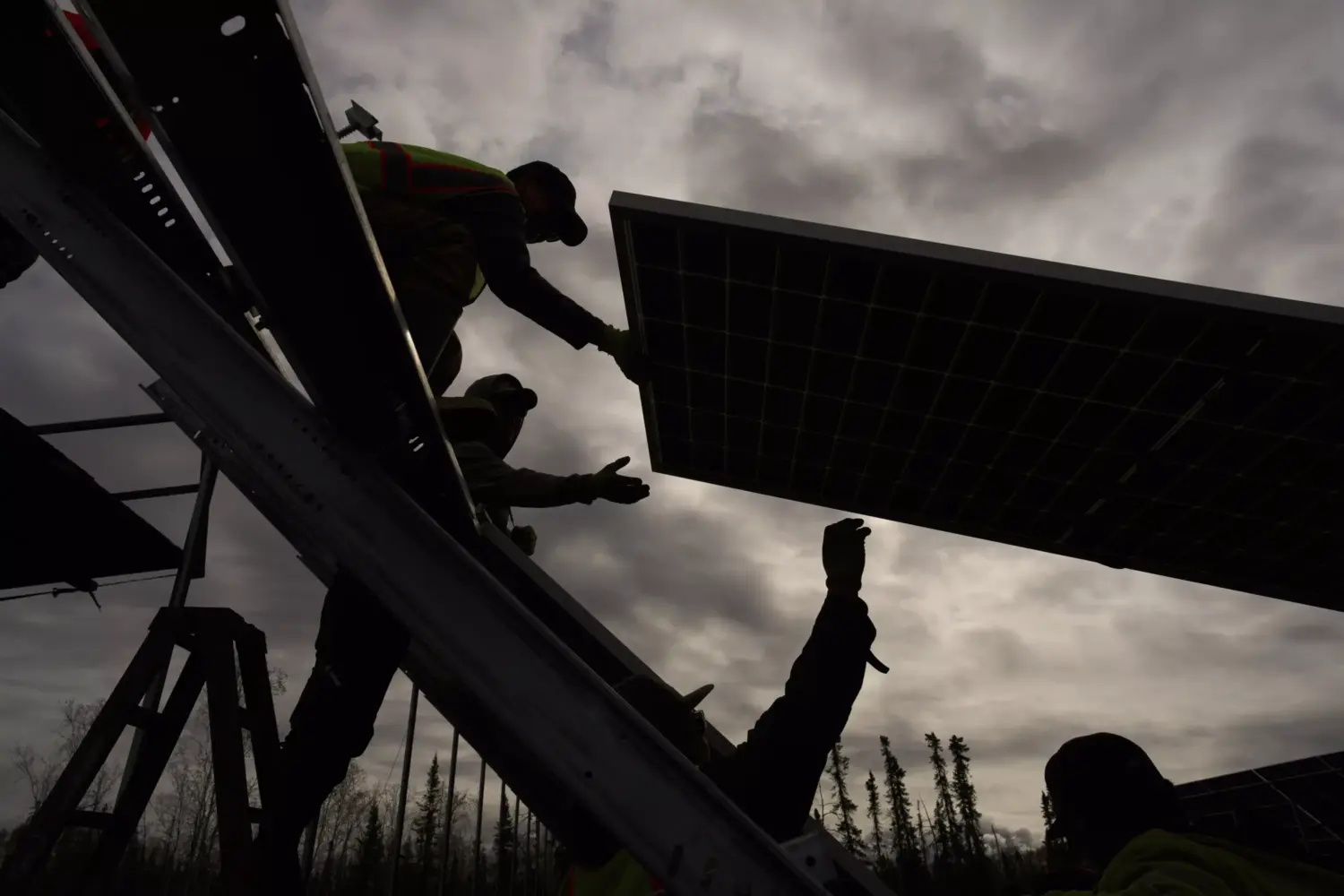

Over the past year, the Trump administration and Congressional Republicans have waged a sweeping campaign against renewable energy, throwing a fast-growing industry into turmoil.
The administration has used federal agencies to try to slow or stop the development of wind and solar projects. And this summer, the GOP-controlled Congress voted to get rid of tax credits for renewable energy, threatening to drive up the cost of projects.
As a result of those moves, the United States is forecast to add a lot less power from renewables in the coming years than analysts previously expected, according to the International Energy Agency.
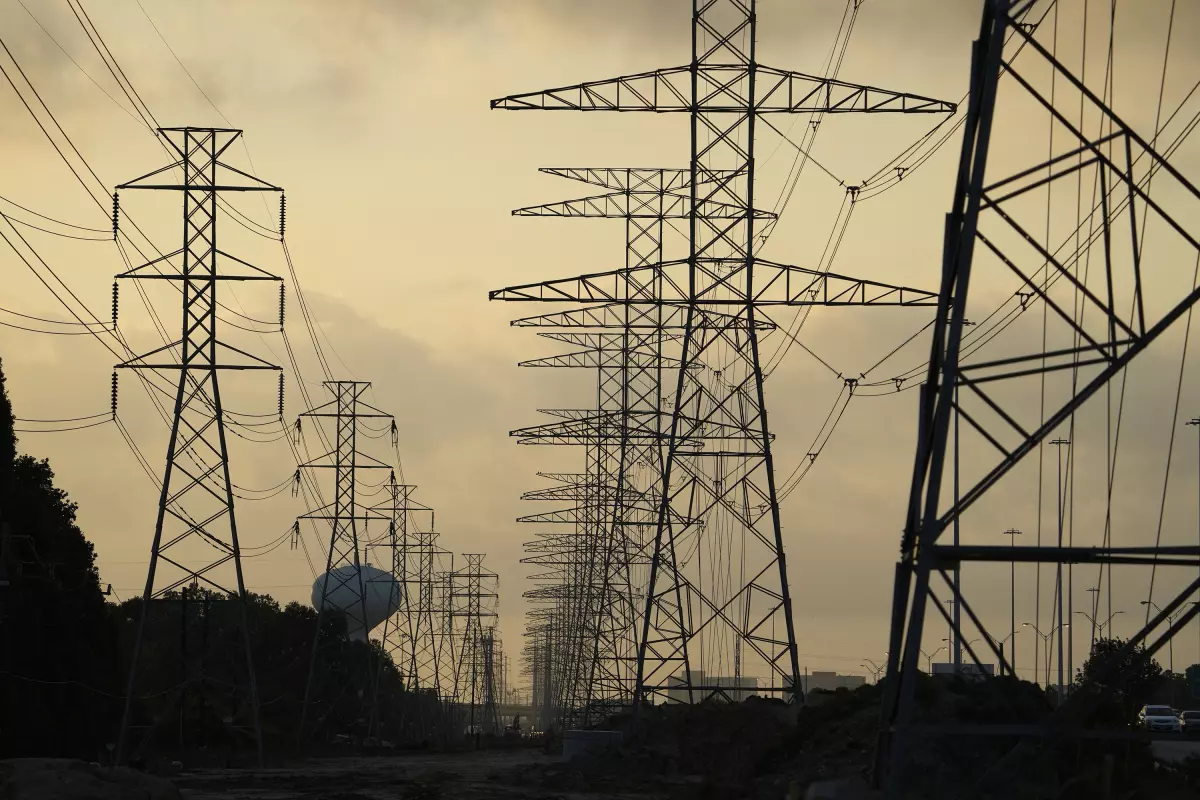
All this is occurring as electricity demand is rising faster than it has in decades. Some experts warn that limiting new power supplies could have broad economic consequences, including higher electricity costs and slower business growth. So far, it’s unclear what the Trump campaign against renewables will mean for consumers or grid reliability.
The Trump administration “may not love renewable technologies, but they’re going to need them to meet the data center demand [and] also maintain energy affordability for all consumers,” says Pavan Venkatakrishnan, policy advisor at The Foundation for American Innovation, a technology-focused research group.
A White House spokesperson, Taylor Rogers, said in a statement that renewables drive up power prices. President Trump is trying to boost resources like natural gas, coal and nuclear power, Rogers said, in order to “lower energy prices, increase grid efficiency, and win the AI race.” In a study this fall, researchers at Lawrence Berkeley National Laboratory said wind and solar projects, on their own, do not in general raise power prices.
With the Administration pushing to rein in renewables amid growing power demand, natural gas will likely be the big economic winner. Already the biggest source of U.S. electricity, natural gas generation is poised for dramatic growth by the end of the decade. Its continued dominance comes at a time when climate scientists have urged nations to sharply cut fossil fuel use to reduce climate pollution.
Trump is attacking renewables as power demand surges
For now, at least, clean energy is still booming in the U.S. The amount of electricity the country produces from big solar plants is projected to grow by about a third this year and by almost 20% in 2026, the U.S. Energy Information Administration said in a recent report. All told, the country is on track to add a record amount of power capacity this year from solar, wind and battery plants, according to American Clean Power, a trade group.
“It is not…
Read More: Clean energy is surging despite political attacks. But a slowdown may be
