


It’s easy to get robbed these days. All a thief might need are the 17 numbers found on your publicly available banking documents.
Just ask Scott Delman. For nearly a year and a half, someone used Delman’s banking information to deduct monthly car insurance payments from the theater producer’s bank account, according to financial documents he shared with The Lever. In total, the fraud cost him more than $4,300. So far, he’s yet to be reimbursed.
Delman has come to believe the matter will cost people huge amounts of money, and even poses a national security risk.
“Imagine if the Russians or Chinese focused on the ‘opportunity’ — they could raid American accounts and create a crisis of confidence which would devastate the banking industry,” he said.
Delman is just one of a growing number of victims of automated clearing house (ACH) fraud, a kind of digital robbery that involves scammers using a victim’s financial information — their bank account number and their bank’s routing number — to withdraw their money.
ACH fraud is becoming ever more common due to an increase in digital payments and phishing scams, in which fraudsters trick consumers into sending sensitive information, often by email. A report by the Federal Trade Commission found that in 2023, there were more than 47,000 reports of bank transfer or payment fraud, which can include ACH fraud, totaling more than $2 billion, an increase of nearly 10,000 reports and nearly triple the monetary damages consumers lost in 2021.
Once these scams occur, there’s no guarantee that victims will be reimbursed. A patchwork of federal regulations, district court rulings, and private industry guidelines govern banks’ obligations for repaying targets of such fraud. The average consumer has roughly 60 days to report ACH fraud in order for financial institutions to fully refund them; many people, like Delman, don’t discover the theft in time.
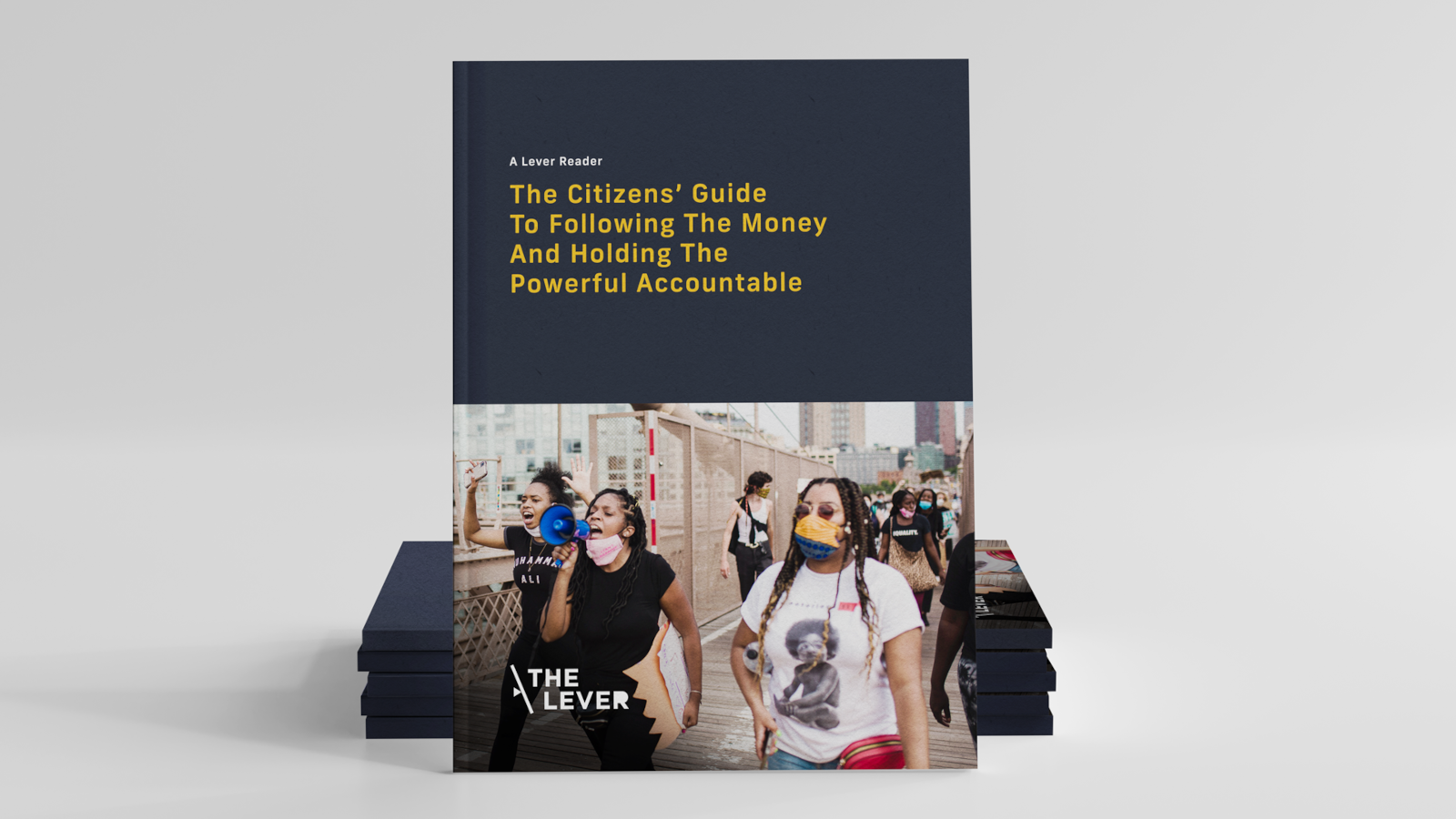
Learn All Our Investigative Tricks
Score a copy of our Citizens’ Guide to Following the Money and Holding the Powerful Accountable, free with a paid subscription. The e-book gives you all the tools and tricks our reporting team uses to scrutinize power.
Regulations are even less supportive for small businesses. Oftentimes, business- and corporate-account holders have just 48 hours to dispute potentially fraudulent charges. What’s more, a recent federal court ruling made it even harder for businesses to sue financial institutions for negligence, even when these institutions fail to undertake adequate fraud surveillance.
For many, suing banks over the matter isn’t even an option, because financial institutions have locked customers into…
Read More: Scammers’ New Billion-Dollar Bank Fraud
