


When Mary May started buying from third-party sellers on Walmart‘s online marketplace, she said she assumed the products she was purchasing were the same as the ones she’d long bought in stores.
So in late March when she said she saw a “ridiculous sale” on her favorite Neuriva brain supplements on Walmart’s marketplace, she bought eight bottles for her and her sister.
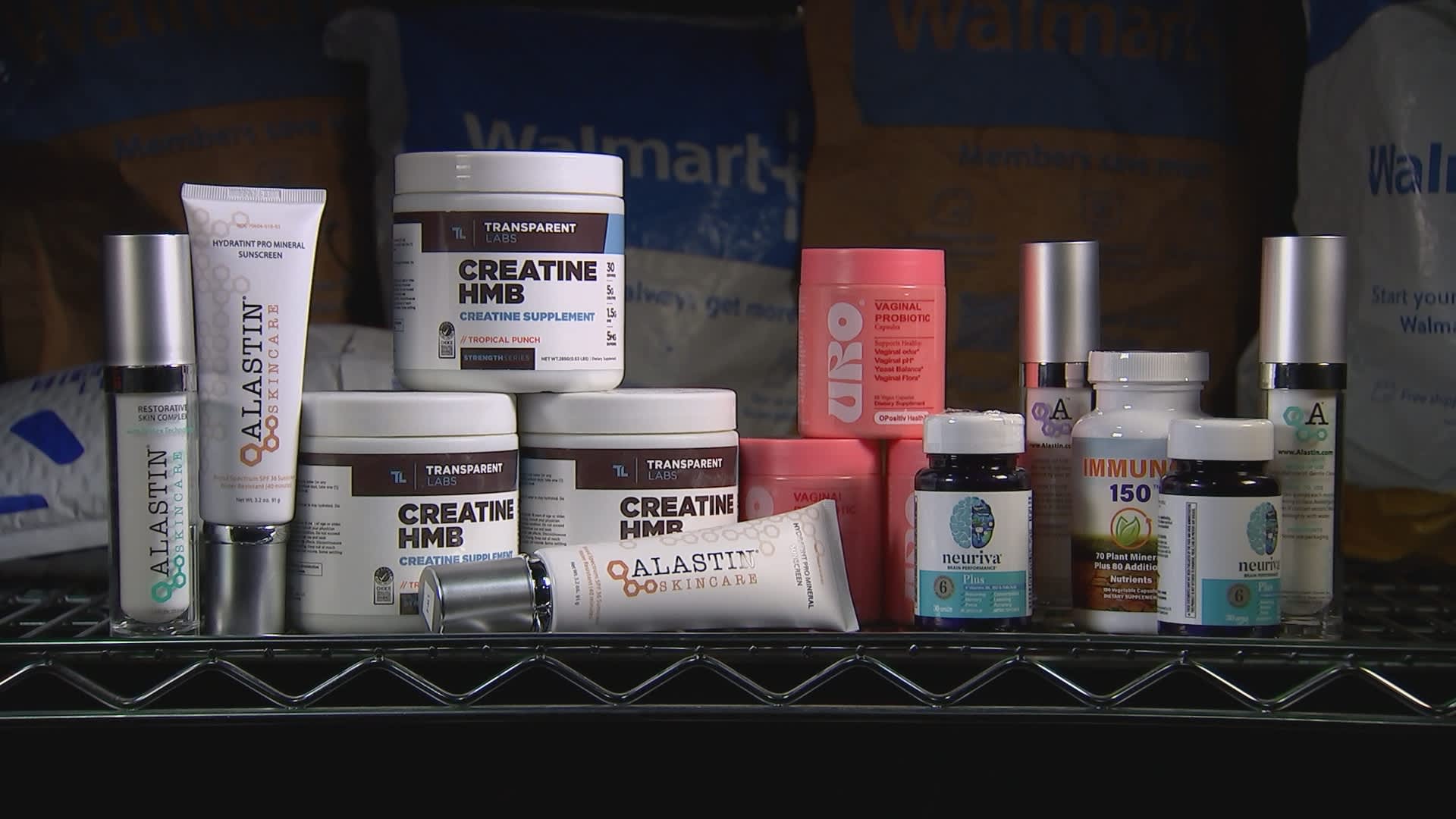
But when some of the once-daily oral supplements arrived from a seller calling itself Lifeworks-ACS, the 59-year-old mother of three noticed there were misspellings on the bottle and the packaging looked different than it usually did. Weeks later, CNBC confirmed the supplements were counterfeit – and the seller had taken the identity of another business to sign up for the marketplace.
“Walmart betrayed me. …They let me purchase something that could have harmed me, my family,” May, who was refunded by Walmart for the fake products, told CNBC in an interview from her home in Pleasant Shade, Tennessee. “As a customer, I expect them to care about my well-being when I purchase something from them. Whether it’s from a third-party seller or not, it’s on Walmart’s website.”
Walmart.com customer Mary May pictured at her home in Pleasant Shade, Tennessee.
CNBC
May and other shoppers both loyal and new have turned to Walmart.com for better prices and a wider selection than they often get in stores, powering a new wave of sales for the largest U.S. retailer as it races to catch up with Amazon’s marketplace. Those customers helped Walmart’s U.S. digital business turn profitable this spring after years of losing money, an important milestone for a company that has said e-commerce is the key to increasing its future earnings.
But Walmart’s digital boom came as it made it easier for third-party sellers to join and sell on its marketplace, a strategy that has come with a cost, a CNBC investigation uncovered.
Shoppers going to Walmart.com for deals on top brands are sometimes receiving counterfeit, potentially dangerous products instead, CNBC found. Third-party sellers on Walmart’s platform in certain cases aren’t who they say they are, as CNBC found at least 43 vendors who used the identity of another business to set up their account. Over time, Walmart made its seller and product vetting more lax than Amazon’s policies in a bid to woo sellers away from its rival, according to nine marketplace sellers and four current and former Walmart employees.
“It’s very disturbing,” said Elaine Damo, the owner of Lifeworks-ACS, which provides services for children and adults with developmental disabilities.
“It’s a domino effect, and it trickles and affects everyone,” said Damo, who told CNBC she was sent returns from more than a dozen customers — including May — who had purchased counterfeits from the third-party seller that was impersonating her business.
Counterfeit Neuriva Plus Brain Health and Immuno 150 supplements purchased from Walmart.com.
CNBC
Reckitt, the maker of Neuriva, said it…
Read More: Walmart Marketplace’s rapid growth came with fakes, scams
