

Three days of investigative hearings on the deadly midair collision over Washington in January began Wednesday, aiming to reveal new insights into what caused the crash between a passenger plane and an Army helicopter. The American Airlines flight from Wichita, Kansas, collided with a Black Hawk helicopter while coming in for a landing at Ronald Reagan National Airport on Jan. 29, killing all 67 people aboard both aircraft.
The National Transportation Safety Board opened the hearings in Washington, with plans to question witnesses and investigators about how the actions of the Federal Aviation Administration and its air traffic controllers and the Army may have contributed to the nation’s deadliest plane crash since November 2001. It’s likely too early for the board to identify the cause of the crash.
“This hearing is a critical part of our ongoing investigation,” NTSB Chairwoman Jennifer Homendy said in her opening remarks. Addressing family members of some of the crash victims attending the hearing, she said, “Please know that we are working diligently to make sure we know what occurred, how it occurred, and to prevent it from ever happening again.”
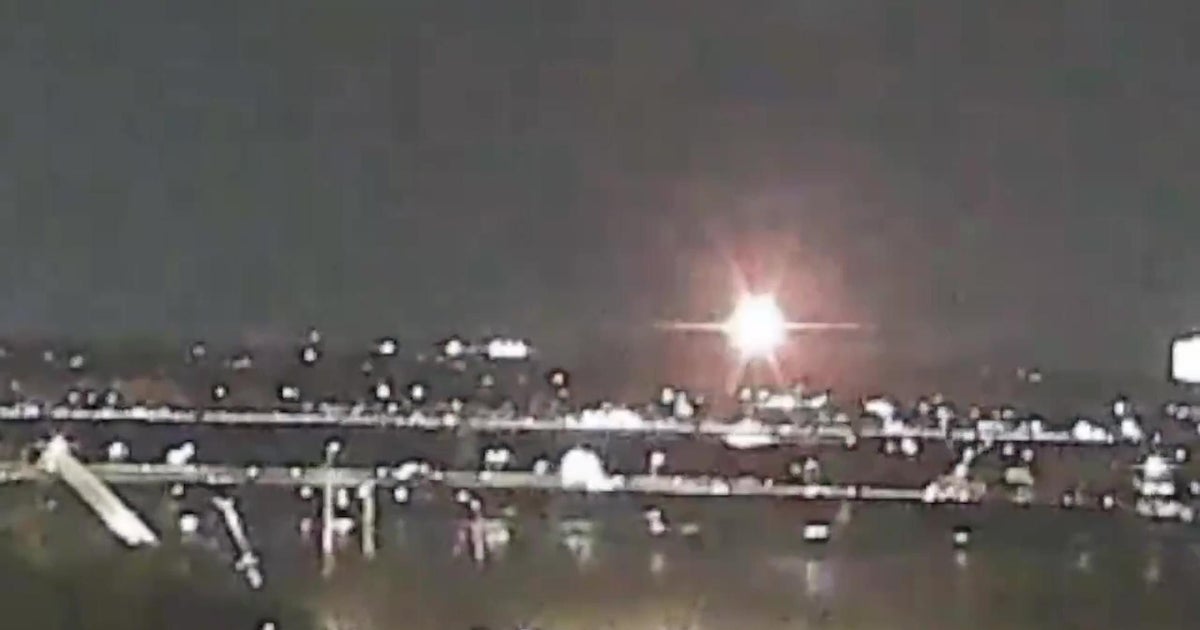
The NTSB’s lead investigator began by presenting an 11-minute animation that recreated events leading up to the collision. At the end, it included newly released surveillance video with a clear view of the Black Hawk helicopter approaching the path of American Airlines flight 5342, followed by the midair impact. Before the video was played, families attending the hearing were allowed to leave the room.
National Transportation Safety Board 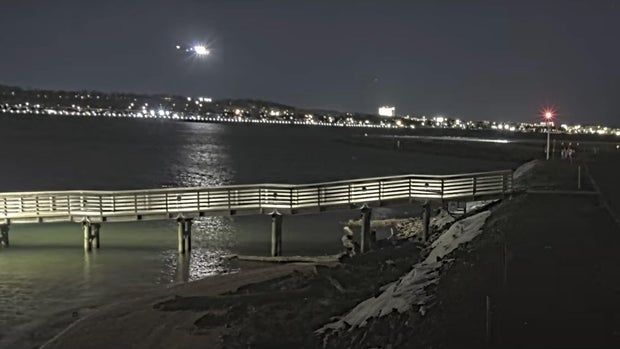
The plane’s cockpit voice recorder showed that approximately 20 seconds before the collision, the pilots received an audible warning from the Traffic Alert and Collision Avoidance System (TCAS) noting “traffic,” but not giving them a resolution advisory to take action. Just one to two seconds before the collision, there’s a sound of a click and one of the pilots exclaims, “Oh,” followed by an expletive. From another document released in the investigation, it appears the pilots pulled back fully on the yoke to try to avoid the collision.
Tim Lilley, whose son Sam was the plane’s first officer, told CBS News he hopes the hearing will help him learn more about those final moments.
“I know that my son saw that helicopter one second before impact, and they tried very hard to avoid it,” Lilley said. “Sam was a good pilot, and he would have been trying to fly that aircraft all the way, all the way to the bottom.”
The cockpit voice recorder transcript also…
Read More: Watch Live: NTSB hearing on deadly midair collision between plane and
