
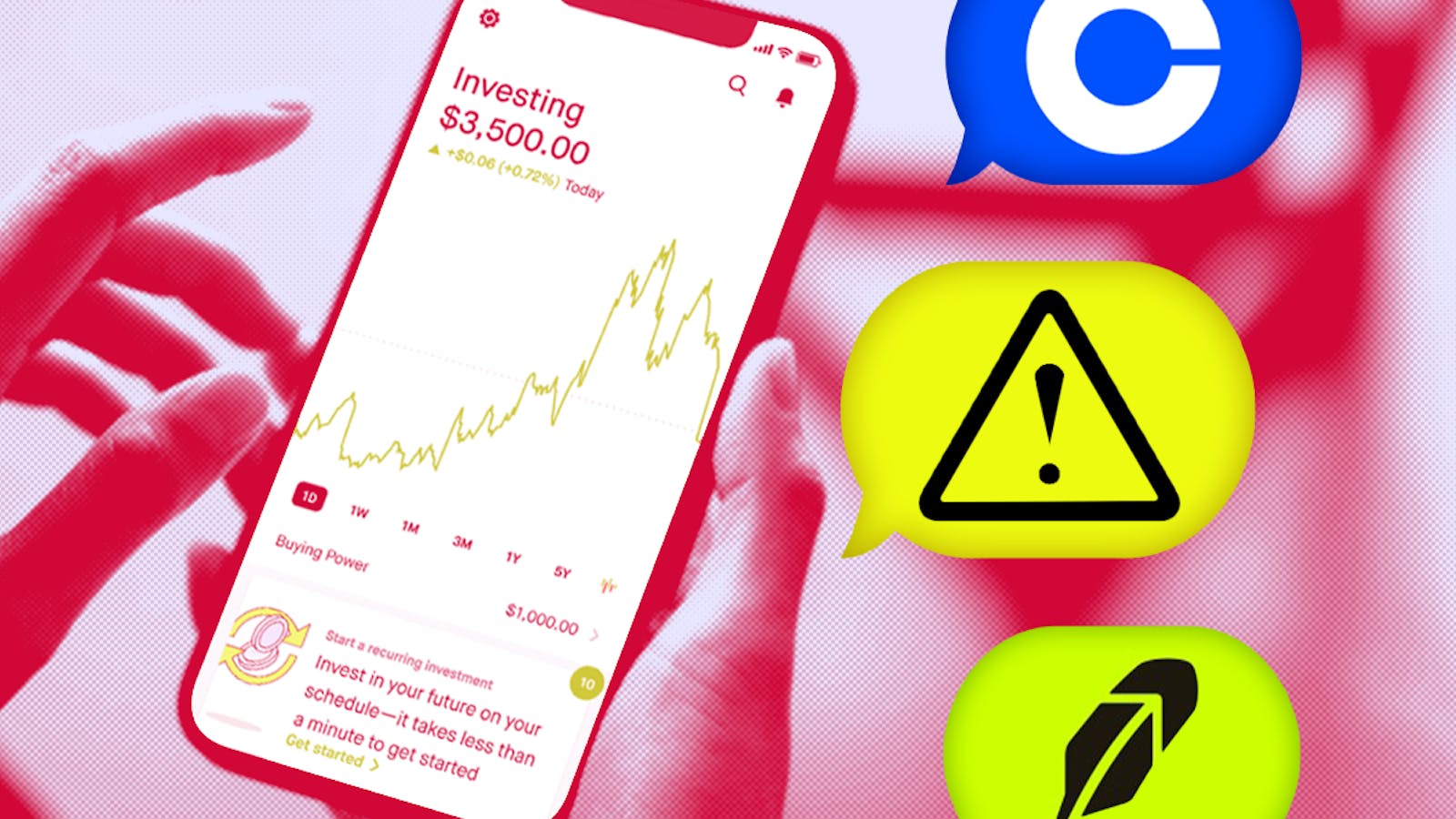

Anoop Savio has hit it big, but he’s also suffered crushing blows. One swipe, and the 21-year-old UF finance master’s student could snag a few shares of AMC. Another swipe, and he’d sell some Dogecoin, a cryptocurrency token. In a few trades on the brokerage platform Robinhood, Savio could see the value of his portfolio plummet suddenly or watch his balance skyrocket.
Young investors like Savio can trade anytime, anywhere — and they’re doing it with unprecedented fervor.
Asset management reimagined
Online day trading took off in the late 1990s, with the widespread adoption of the Internet and a sharp rise in technology stocks. Investors no longer needed to call their broker to execute trades; they could do it themselves with a few clicks.
Twenty years later, a new dawn of day trading emerged during COVID-19 lockdowns. Stuck at home with little else to do and armed with government stimulus checks, retail investors downloaded trading apps and started investing aggressively.
Jay Ritter, a retired UF finance professor, attributed 2020’s speculation-as-entertainment boom to digital brokerage tools that make investing relatively seamless.
Aaron Goffstein, a 22-year-old UF finance senior, said he and his friends invest with Robinhood, a discount brokerage platform popular among young men. The platform offers a range of assets, including stocks and cryptocurrencies.
Robinhood removes the guesswork from investing with its daily roundup of trending stocks on the app’s home screen, Goffstein said. It also nudges users to make specific trades via push notifications.
But the app sometimes goes too far to court investors, Goffstein said, from its vibrant color scheme to its digital scratch-off cards and virtual confetti.
“The upside is just that people can access the financial markets,” Goffstein said. “The downside is that the gamification of it where people are just playing it all day [and] they could be losing a lot of money, blowing up their accounts.”
Robinhood’s primary user base frequently engages in speculation, an investment strategy predicated on traders’ hope that high-risk trades will bear fruit. According to an Investopedia estimate, about 95% of speculative traders lose money.
A slippery slope
Enjoy what you’re reading? Get content from The Alligator delivered to your inbox
Jagger Liguori, a 23-year-old UF sports management master’s student, said he’s seen Robinhood investors tethered to the app, checking it hourly for market fluctuations.
Liguori, who downloaded Robinhood during its pandemic-era…
Read More: ‘They’re playing with real money’: Gamified apps hook young investors
