

Your support helps us to tell the story
From reproductive rights to climate change to Big Tech, The Independent is on the ground when the story is developing. Whether it’s investigating the financials of Elon Musk’s pro-Trump PAC or producing our latest documentary, ‘The A Word’, which shines a light on the American women fighting for reproductive rights, we know how important it is to parse out the facts from the messaging.
At such a critical moment in US history, we need reporters on the ground. Your donation allows us to keep sending journalists to speak to both sides of the story.
The Independent is trusted by Americans across the entire political spectrum. And unlike many other quality news outlets, we choose not to lock Americans out of our reporting and analysis with paywalls. We believe quality journalism should be available to everyone, paid for by those who can afford it.
Your support makes all the difference.
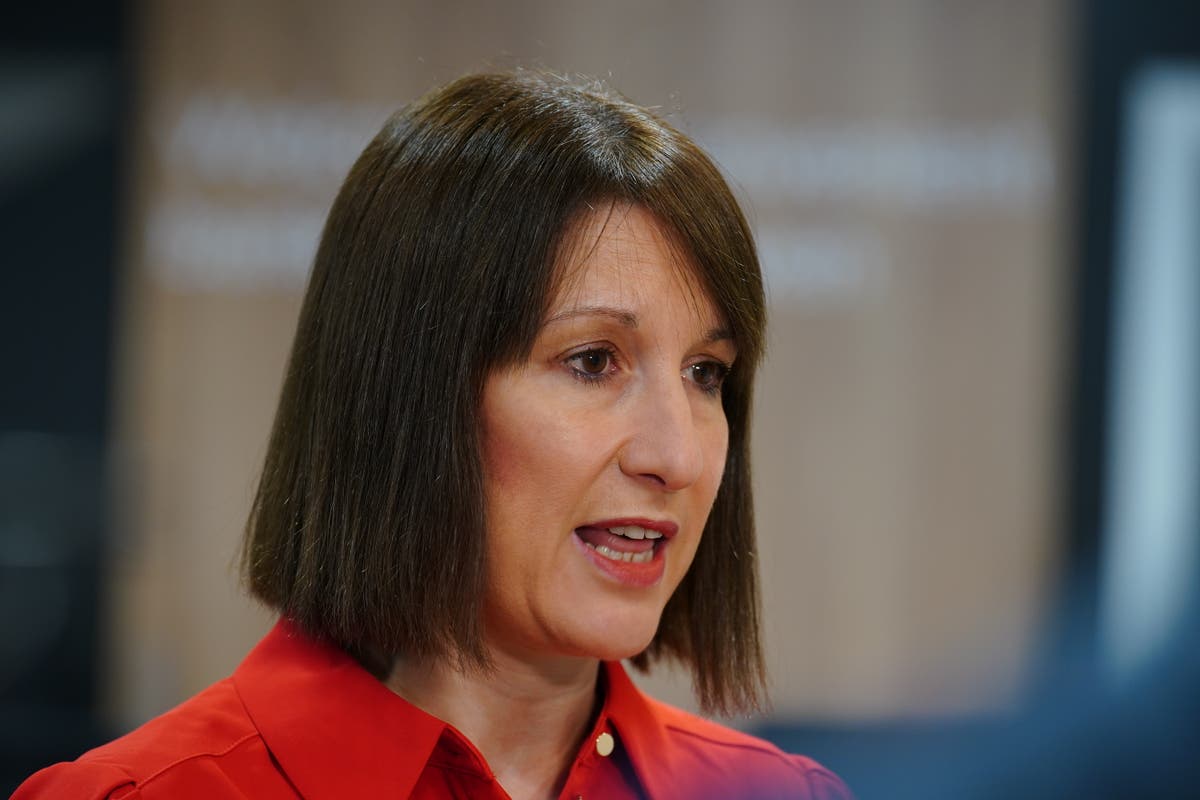
The UK economy shrank again in October, putting economists on “recession watch” in a blow to Chancellor Rachel Reeves’ plan to turn productivity around.
But lurking in the new figures is a more long-term problem.
The Office for National Statistics (ONS) said output fell by 0.1 per cent following the 0.1 per cent decline recorded in September, raising the spectre of a quarter of shrinkage if growth does not return.
This covers the month ahead of the government’s first budget, where speculation over tax rises caused businesses to hold off on hiring and investing decisions.
Julian Jessop, economics fellow at the Institute of Economic Affairs, warned: “The second successive monthly fall in economic activity in October should put the UK firmly on recession watch.”
The UK’s wobble has not happened in isolation, he added: “Indeed, the manufacturing sector appears to be struggling even more in the rest of Europe, notably Germany and France.
Germany’s economy is set to shrink for a second year in a row and only grow slowly after that, according to their central bank.
An end to cheap natural gas from Russia and weaker demand for its cars from China has been depressing its growth for some time.
Germany is Europe’s largest economy and it relies heavily on its huge manufacturing sector which makes cars under the VW, Audi, Porsche, BMW and Mercedes brands, as well as aerospace parts and chemicals.
But Britain’s position is arguably worse because of a long period of unimpressive economic growth. Germany’s output per person is $55,500 according to the International Monetary Fund, while the UK’s is only $52,400.
Britain too has a problem with weak manufacturing, an area of commerce that provides valuable exports, as well as employment and skills.
Mr Jessop added: “The new government’s negative rhetoric over the summer and the anticipation of a tight Budget have damaged sentiment and encouraged many households and business to put spending, hiring and investment on hold.”
Much of the hit to Britain’s output was…
Read More: Reeves faces a recession fears but industrial hollowing could offer a
