
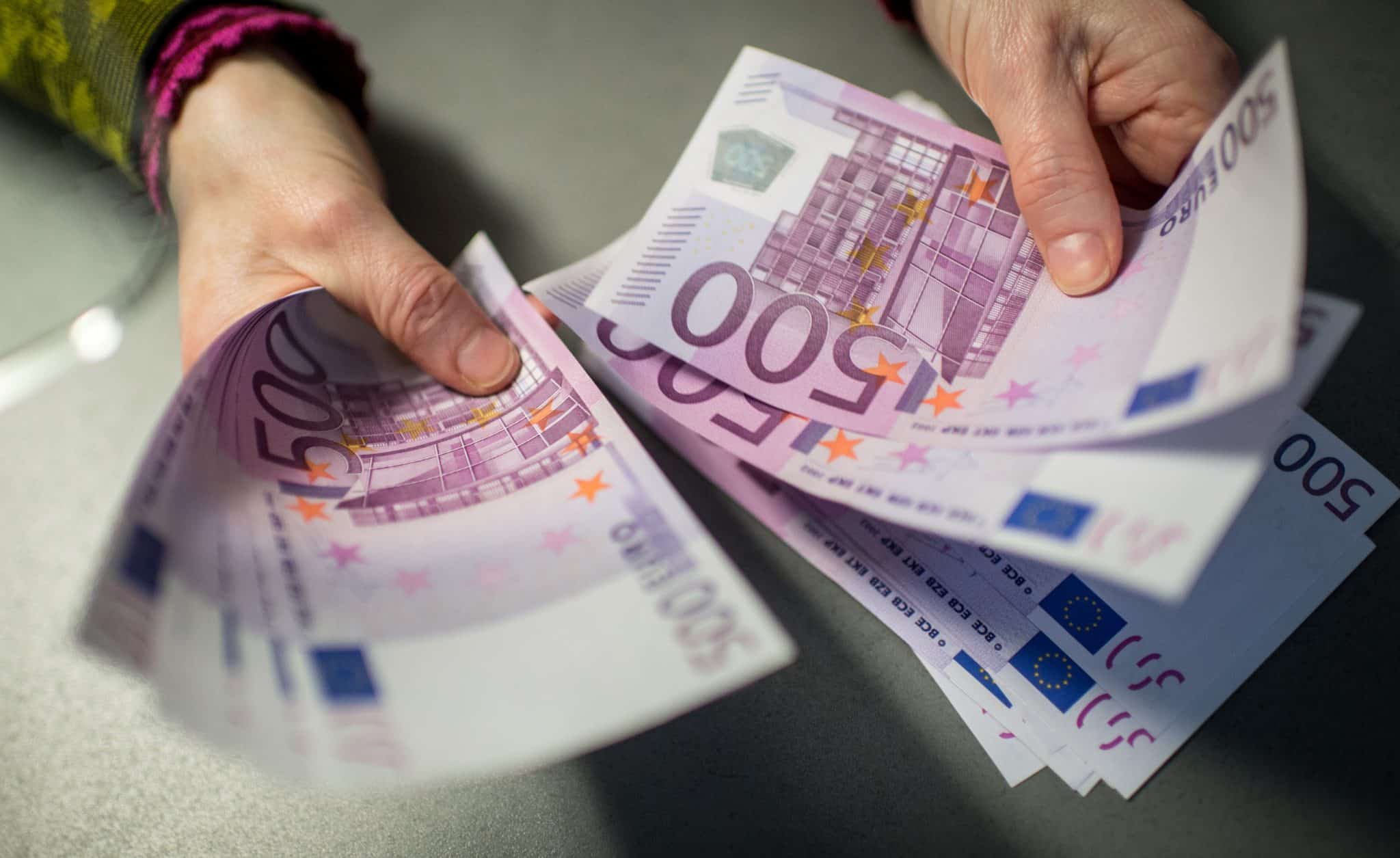

Western Balkan countries are still struggling to combat money-laundering and illicit finance. National legislation is largely compliant with the standards of the Financial Action Task Force, the international intergovernmental organisation tackling money-laundering; none of the Western Balkan countries are currently on the Task Force’s “grey list” of states that require increased monitoring. However, structural deficiencies remain.
Weak oversight, high levels of corruption and cash-based economies are some key enablers of money-laundering. The financial sector in the Western Balkans is the main contributor to the suspicious transaction reports sent to these countries’ financial intelligence units.
Between 2019 and 2023, nearly 22,000 suspicious transaction reports in the region originated from financial institutions. Banks contributed the largest share, followed by fast money transfer services. Serbia recorded the highest number of suspicious transaction reports in the region, followed by Albania and Kosovo.
Subscribe to Balkan Insight Premium to read the full article.
Please login to your account below if you are already a Premium Subscriber.
Buy Premium Subscription
Our Premium Service gives you full access to all content published on BalkanInsight.com, including analyses, investigations, comments, interviews and more. Choose your subscription today and get unparalleled in-depth coverage of the Southern and Eastern Europe.
If you have trouble logging in or any other questions regarding you account, please contact us
Read More: Illicit Finance: Western Balkans Must Act to Clean Up Dirty Money Problems
