

Quick Read
Ripple’s CEO revealed the company weighed ending itself in 2020, with a plan to hand its XRP to shareholders and tell the SEC there was nothing left to sue over.
Ripple fought instead, spending roughly $150 million over four years against a case it believed should never have been brought, and won when a judge ruled XRP is not a security.
This week XRP became the first crypto ever on a major college jersey, a five-year deal with the Kansas Jayhawks at the CEO’s own university.
The company that nearly shut down under the SEC’s lawsuit is now trying to become part of the U.S. financial system, chasing a bank charter and direct access to the Federal Reserve’s payment rails.
Don’t wait: the analyst who called NVIDIA in 2010 just revealed his top 10 AI stocks. See the full list FREE now.
In December 2020, the SEC sued Ripple, claiming it had sold XRP (CRYPTO:XRP) as an unregistered security. Major U.S. exchanges delisted the token, and the XRP price crashed. This week, Ripple’s CEO revealed that the company came even closer to the end than anyone knew.
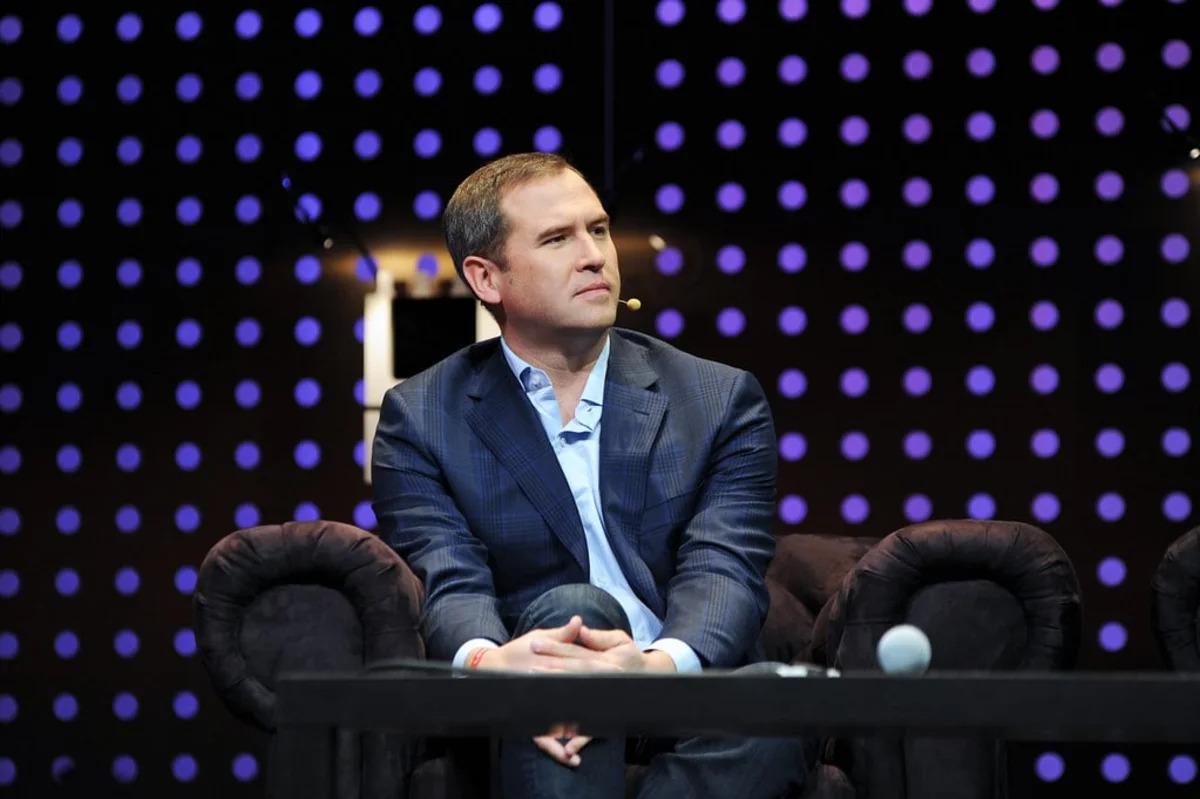
Speaking at the University of Kansas, Brad Garlinghouse said that back then Ripple weighed a plan to make XRP disappear on purpose by handing every token it held to shareholders, then telling the SEC there was nothing left to sue over. But Ripple never went through with it.

At that same university, just days before he spoke, XRP became the first cryptocurrency ever stitched onto the jerseys of a major college team. Here’s how XRP went from a token Ripple almost gave away to one a major school proudly wears on its jerseys.
Ripple Almost Shut Down in 2020
Don’t wait: the analyst who called NVIDIA in 2010 just revealed his top 10 AI stocks. See the full list FREE now.
For most of 2020, Ripple looked like one of crypto’s quieter successes—a payments company with banking partners and a token comfortably in the market’s top five. Then, three days before Christmas, the SEC sued Ripple, claiming the company had sold XRP as an unregistered security. Shortly after, U.S. exchanges pulled XRP off their platforms, the price collapsed, and holders were told to sell before it went to zero.
“We almost decided to shut down the company when the SEC sued us,” Garlinghouse told an audience at the University of Kansas this week. Winding Ripple down and handing its XRP to shareholders had been on the table, a way to leave the agency with nothing left to sue over. The SEC had “infinite power and resources,” he said, and surviving a fight like that was far from guaranteed.
Read More: Ripple Almost Shut Down in 2020, Now XRP Makes History on a Jersey Patch
