
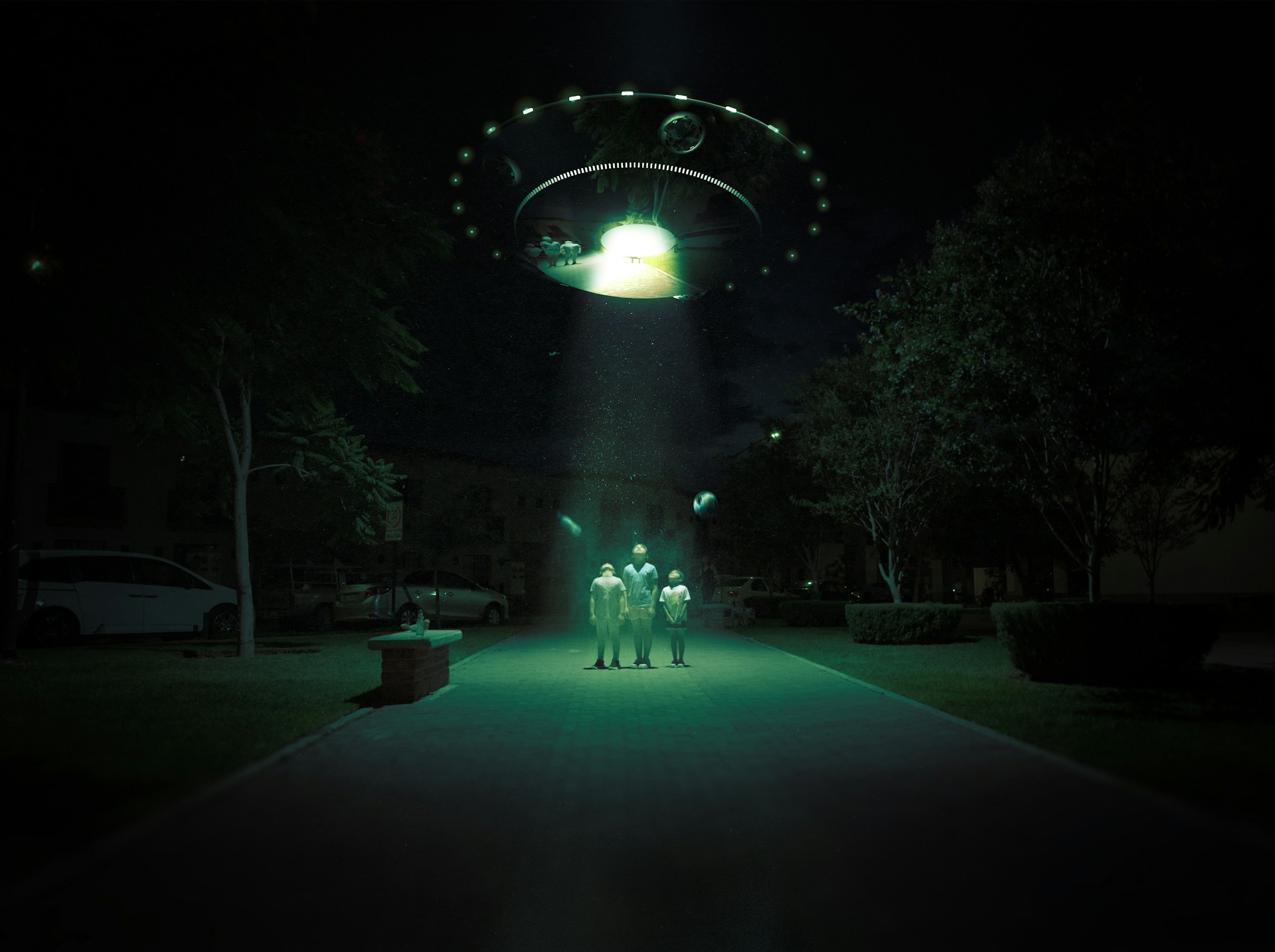

Aliens could, in theory, reach Earth but would never truly go home again, according to physicists who say Einstein’s laws of relativity turn any near‑light‑speed visitor into a ‘time exile.’ The warning lands just as the US government publishes hundreds of previously classified unidentified anomalous phenomena case files, and Steven Spielberg’s new film Disclosure Day stokes public belief that aliens are already among us.
Enthusiasm about extraterrestrials has been building steadily. Recent polling in Australia, the United States and other countries suggest roughly a third of people think aliens are visiting Earth. The newly released UAP records, stretching from the 1940s to the present, have only deepened that conviction, even though they largely catalogue unexplained sightings rather than prove anything concrete. Nothing in those papers confirms extraterrestrial hardware in our skies, and officials repeatedly stress that most cases remain unresolved rather than otherworldly.
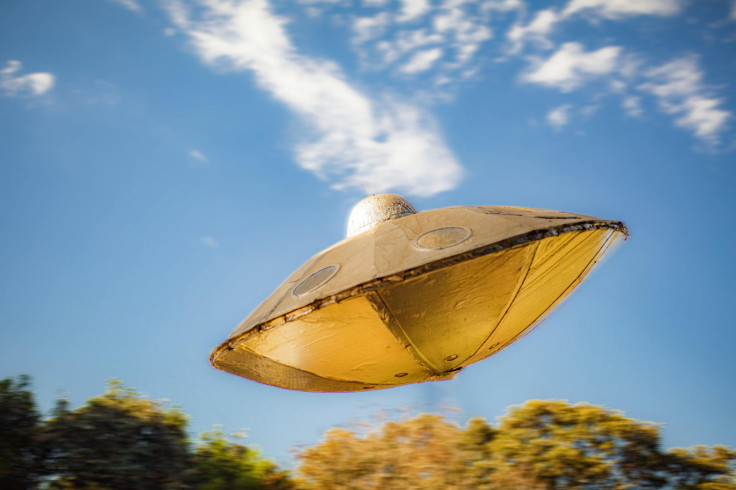
Still, the idea of advanced beings slipping in and out of our atmosphere sounds seductively plausible. The physics says otherwise. Start with the dullest but most brutal fact in the entire debate: space is enormous, on a scale that makes even science fiction feel parochial.
The nearest star system, Proxima Centauri, sits about 40 trillion kilometres away. That is some 268,000 times the distance between Earth and the sun, or 4.3 light years in astronomical shorthand. Our fastest current spacecraft, NASA’s Parker Solar Probe, manages around 191 kilometres per second, just 0.064 per cent of the speed of light. At that pace, a one‑way trip to Proxima Centauri would take around 6,650 years. No civilisation, alien or human, is packing enough packed lunches for that journey.
So proponents of visiting aliens usually assume a civilisation far beyond us, one that has somehow cracked travel at a significant fraction of light speed. That is where Einstein walks into the room and spoils the reunion party.
How Einstein’s Time Dilation Would Maroon Visiting Aliens
Einstein’s theory of relativity shows that time does not tick at the same rate for everyone. The faster you move, the slower time passes for you compared with someone who stayed at home. This effect, called time dilation, is measurable even with today’s modest speeds.
When NASA astronaut Scott Kelly returned from nearly a year on the International Space Station, he was measured to be milliseconds younger than his identical twin on Earth. The station circles the planet at about 28,150 kilometres per hour, hardly relativistic territory, yet the clocks disagreed ever so slightly.
Scale that up to aliens tearing across interstellar space at velocities close to light speed, and the gap…
Read More: The ‘Time Exile’ Curse: Why Einstein’s Laws Prove Visiting Aliens Can Never
