
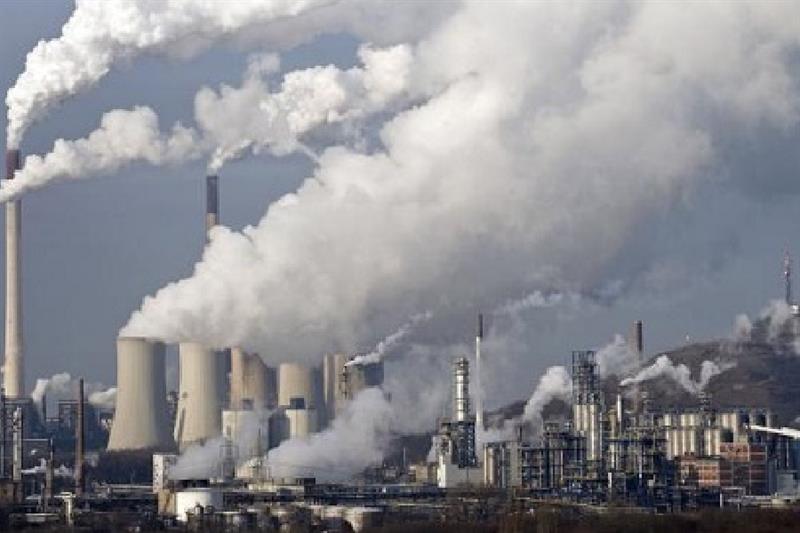

The system aims to obligate industrial facilities nationwide to register their data periodically, as well as their procedures and prepare relevant reports, as per environmental laws and regulations, and achieve industrial growth by focusing on three areas.
The area focuses on using data to reduce direct emissions in industrial facilities and production lines, improve the water quality, as well as new and renewable energy use, and monitor production input such as raw materials and intermediate goods imported and produced locally.
The system will be monitored by the Ministries of Local Development and Environment, Electricity, Industry, and the Industrial Development Authority (IDA) and the Egyptian Environmental Affairs Agency (EEAA).
The data will help in creating reports on the quantity and type of fuel used for each industrial facility and sector and the number of non-compliant facilities and track the emission reductions from implementing environmental remediation plans. It will also calculate direct and indirect emissions from fuel and industrial processes, electricity consumption and greenhouse gas data, as well as track carbon emission reports for each manufactured product as per the European Union’s (EU) Carbon Border Adjustment Mechanism (CBAM).
Furthermore, the project also supports improving Egyptian products’ competitiveness in international markets and expediting the transition to a green economy, as per the national economic narrative.
Egypt has been bolstering its shift toward a greener economy by expanding renewable energy, advancing nuclear power projects, and rolling out new incentives to boost sustainable industrial growth.
This is to raise non-oil exports by 15–20 percent annually through 2030, and to raise the industrial sector’s contribution to GDP from 14 to 20 percent by the same year.
The database and moving towards green transition are key moves for the Resilience and Sustainability Facility (RSF) programme under the International Monetary Fund (IMF), which aims to transform the Egyptian economy into a more resilient model capable of confronting environmental shocks that may affect agricultural production and food security.
An IMF delegation is currently in Cairo to discuss the second review of th RSF and the seventh review of the Extended Fund Facility (EFF) programme, which will unlock $1.6 billion of funding for Egypt.
Follow us on:

…
Read More: Industry, Local development ministries launch environmental database for
