


U.S. treasury bonds typically occupy a special place in an investor’s portfolio — the asset class against which all other market risk is measured. But a surge in long-dated yields is forcing investors to rethink this assumption.
The yield on the 10-year treasury recently surged to a level it had not seen in over a year, while the 30-year treasury yield this week hit a level it has not seen since 2007 — right before the financial crisis. The moves are being driven by geopolitical conflict and an oil price shock that have rekindled inflation and resulted in a growing consensus that the Federal Reserve will not lower rates at the next meeting, the first since new Fed Chairman Kevin Warsh was confirmed with a mandate from President Trump to bring rates down. In fact, traders are now betting there will be no interest rate cut over the remainder of 2026, and that a rate hike is becoming more likely. Warsh was being sworn in by Trump on Friday.
The shift in bond market assumptions is a wake-up call for investors in an asset class that has long been called a “safe haven” due to bonds’ predictable income and guarantee of the return against maturity. HSBC wrote in a note this week that U.S. treasuries are now in a “danger zone.”
On Friday, the 10-year U.S. treasury yield was at 4.57% while the 30-year treasury bond was up to 5.08%.
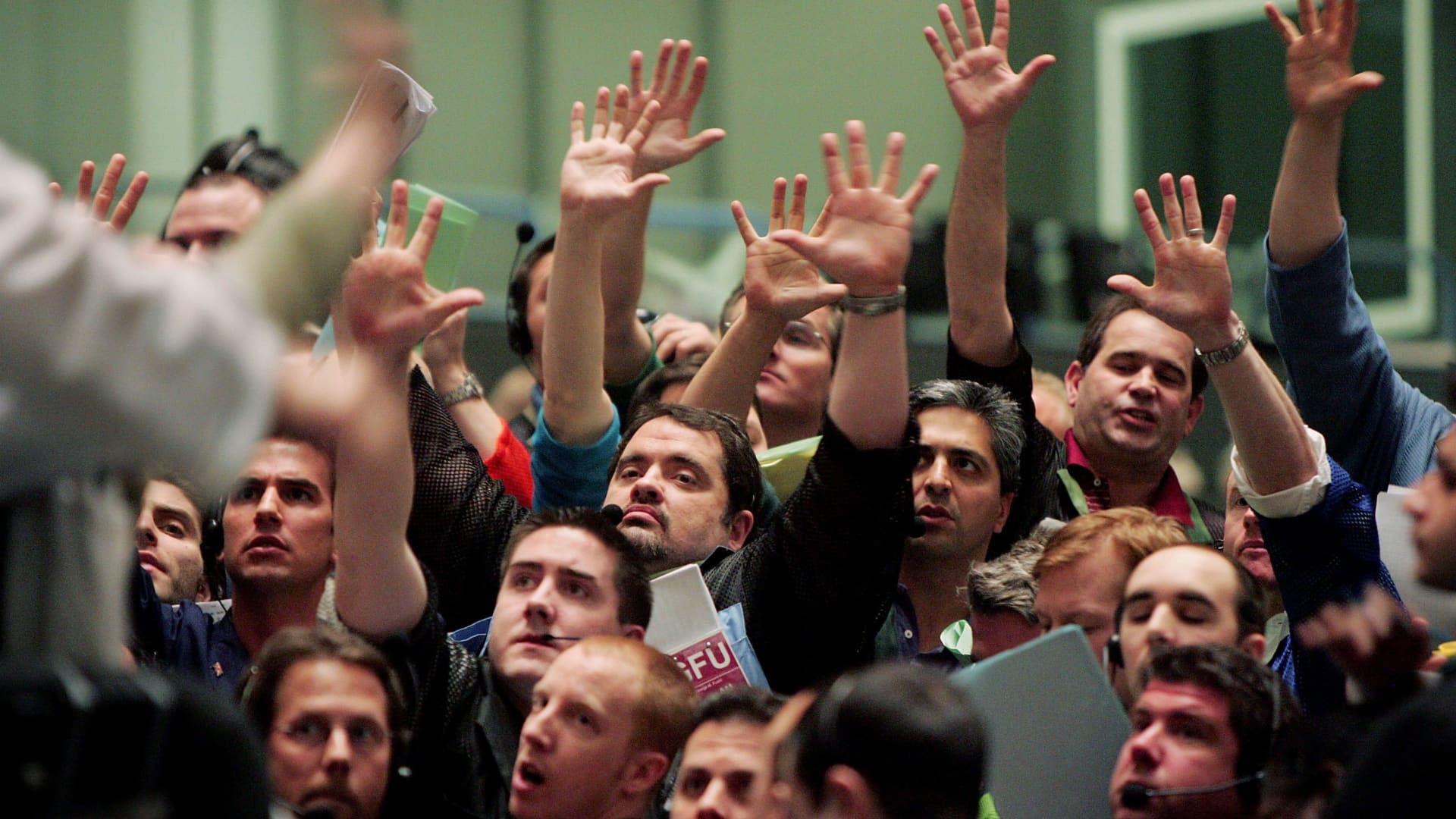
CHICAGO – MARCH 28: Traders in the Ten-Year Treasury Note options pit at the Chicago Board of Trade signal offers in a flurry of activity following the announcement by the Federal Open Market Committee that it was raising short term interest rates another .25 percent March 28, 2006 in Chicago, Illinois. Trading in the pit was at a trickle in the moments leading up to the announcement. The raise was the 15th consecutive increase by the Fed and the first since Ben Bernanke took over as chairman of the FOMC.
Scott Olson | Getty Images News | Getty Images
JoAnne Bianco, senior investment strategist at BondBloxx Investment Management, voiced similar concerns on CNBC’s “ETF Edge” podcast this week. “You are calling it the risk-free rate. It is not risk free. There is a lot of risk associated with this,” she said.
“Now the next likely action is they are going to be raising rates at some point, potentially starting later this year,” she said.
The bond market action leads Bianco to make two recommendations for fixed income-focused investors. While a higher yield offers investors more income, it also punishes bond prices. Bianco suggests investors focus on the intermediate part of the treasuries curve, specifically the 5-year to 7-year range. That part of the bond market lets investors “step in at these higher rates” without the price volatility that has punished holders of long-dated bonds, she said.
She also recommends investors look to opportunities in the bond market that reflect the underlying strength of the U.S. economy and corporate earnings within the investment grade and high yield markets. While it is true that corporate bonds…
Read More: Yield surge in ‘risk-free’ treasuries has bond investors on high alert
