
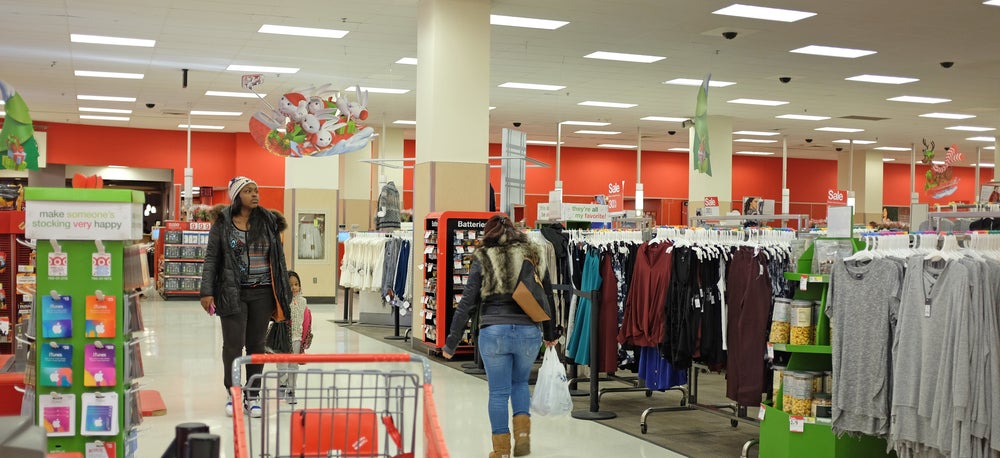


In a significant reversal of recent years’ trends, retail chains in the United States are once again expanding their physical footprint — a move that signals renewed strength in retail real estate even amid macroeconomic headwinds.
According to real-estate data firm CoStar Group, retailers moved into 5.5 million more square feet than they vacated in the third quarter of 2025.

Discover B2B Marketing That Performs
Combine business intelligence and editorial excellence to reach engaged professionals across 36 leading media platforms.
This resurgence comes as vacancy rates tighten and new construction lags
The uptake in store space has coincided with historically low vacancy rates in retail-property markets. Recent analyses describe a broader “retail renaissance,” in which demand for physical retail space is rising sharply even though supply remains constrained.
One contributing factor is the slowdown in new retail construction. According to industry observers, 2025 is set to record among the lowest years for new retail-space delivery in decades.
At the same time, some retailer types — especially discount, grocery-anchored and value-oriented chains — are seeing robust leasing activity.
This suggests that demand is concentrated in retailer categories that cater to everyday essentials, rather than discretionary or luxury retail.
Industry sources say that part of the uptrend in store-house acquisitions reflects a broader change in how retailers approach physical real estate.
Rather than reopening large-format flagship stores, many retailers are now favouring smaller footprints, often in suburban or neighbourhood-based locations.
This strategy mirrors evolving consumer behaviour. With e-commerce and hybrid shopping habits firmly in place, shoppers increasingly value convenience and proximity — making smaller, local stores with easier access more attractive than sprawling, destination malls.
As a result, retail landlords and investors — who previously viewed the sector as risky after years of store closures and uncertainty — are now treating retail real estate as a credible, investable asset class once more.
Implications for global retail investors and international brands
For global retail operators and investors, the revival of interest in physical retail real estate carries practical importance.
Tight supply…
Read More: US retailers buy up real estate again as market tightens
