

 |
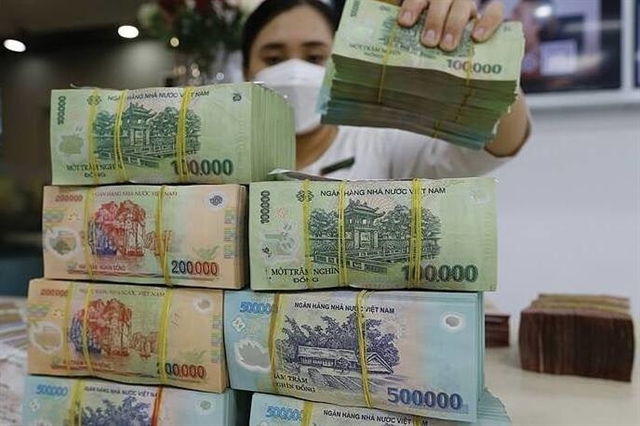
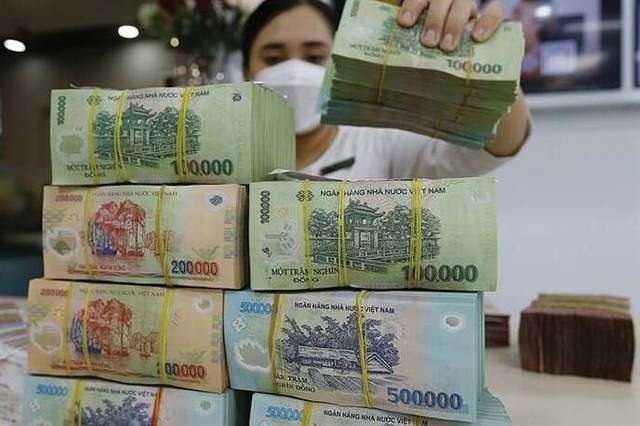
| Many banks choose to issue bonds as an effective solution to attract more medium- and long-term capital. Photo vietnamfinance.vn |
HÀ NỘI — The race to increase charter capital in the banking industry is in a vibrant period and will continue in the remaining months of 2025, when a series of banks are approved to raise capital worth thousands of billions of Vietnamese đồng.
To increase capital, banks are applying many different plans, the most popular of which are issuing shares to pay dividends, making private offerings and issuing shares to foreign investors.
Banks are also choosing to issue bonds as an effective solution to attract more medium- and long-term capital.
A series of banks have recently had their charter capital increase plans approved by authorities.
For example, the State Bank of Vietnam (SBV) has recently approved SHB to issue shares to pay dividends in 2024 to existing shareholders, at a rate of 13 per cent.
After completion, SHB’s charter capital will increase from nearly VNĐ40.66 trillion to more than VNĐ45.94 trillion, maintaining its position in the top five largest private joint stock commercial banks in the banking system.
In addition to the banks that have been approved by the SBV to increase their charter capital, a series of banks have planned to increase their charter capital this year, according to the plans approved by the banks’ general meeting of shareholders.
For example, Nam A Bank plans to increase its charter capital from more than VNĐ13.7 trillion to more than VNĐ18 trillion through issuing shares from equity capital to pay dividends and issuing ESOP shares.
VietinBank also plans to issue nearly 2.4 billion shares to pay dividends in shares at a rate of 44.64 per cent. Thereby, the bank’s charter capital can increase from VNĐ53.7 trillion to VNĐ77.67 trillion.
According to analysts, the charter capital increase is an essential need for banks to improve capital adequacy ratios and consolidate financial foundations, expand growth space, invest in digital transformation, develop new products and enhance competitiveness in a business environment that increasingly requires high operational efficiency and flexible adaptability.
Although charter capital is always supplemented, the capital adequacy ratio (CAR) of Vietnamese banks is still lower than the average rate of the regional peers. With the roadmap to increase the CAR to 10.5 per cent in the coming years, according to the SBV’s regulations,…
Read More: Banks focus on increasing charter capital in second half of year
