The German real estate giant Vonovia is undergoing a profound transformation. Once a pure-play residential landlord, the company has shifted its focus toward a multi-faceted strategy that combines its core rental business with high-potential non-rental initiatives. This diversification, anchored in sustainability, asset optimization, and scalable value creation, positions Vonovia to capitalize on structural trends in housing demand, energy transition, and evolving tenant preferences. For investors, the question is whether this pivot can deliver durable growth—and whether the risks are manageable.
The Diversification Play: Breaking Down the Strategy
At the heart of Vonovia’s “Return to Performance” strategy are three pillars: Value-add, Development, and Recurring Sales. Collectively, these segments contributed 9% to Adjusted EBITDA in 2024 but are projected to reach 20–25% by 2028. The goal is to leverage the company’s scale, geographic footprint, and operational expertise to create incremental value across the housing lifecycle.
Value-add and Development: Vonovia is aggressively modernizing its existing 450,000-unit portfolio through serial renovations, modular construction, and energy-efficient infrastructure. A key focus is reducing carbon intensity—already down to 31.2 kg CO₂e/m² in 2024—via solar panels, heat pumps, and the Energiesprong principle, which ensures homes meet strict energy standards. By 2026, the company aims to install 300 MWp of solar capacity, nearly doubling its original 2030 target.
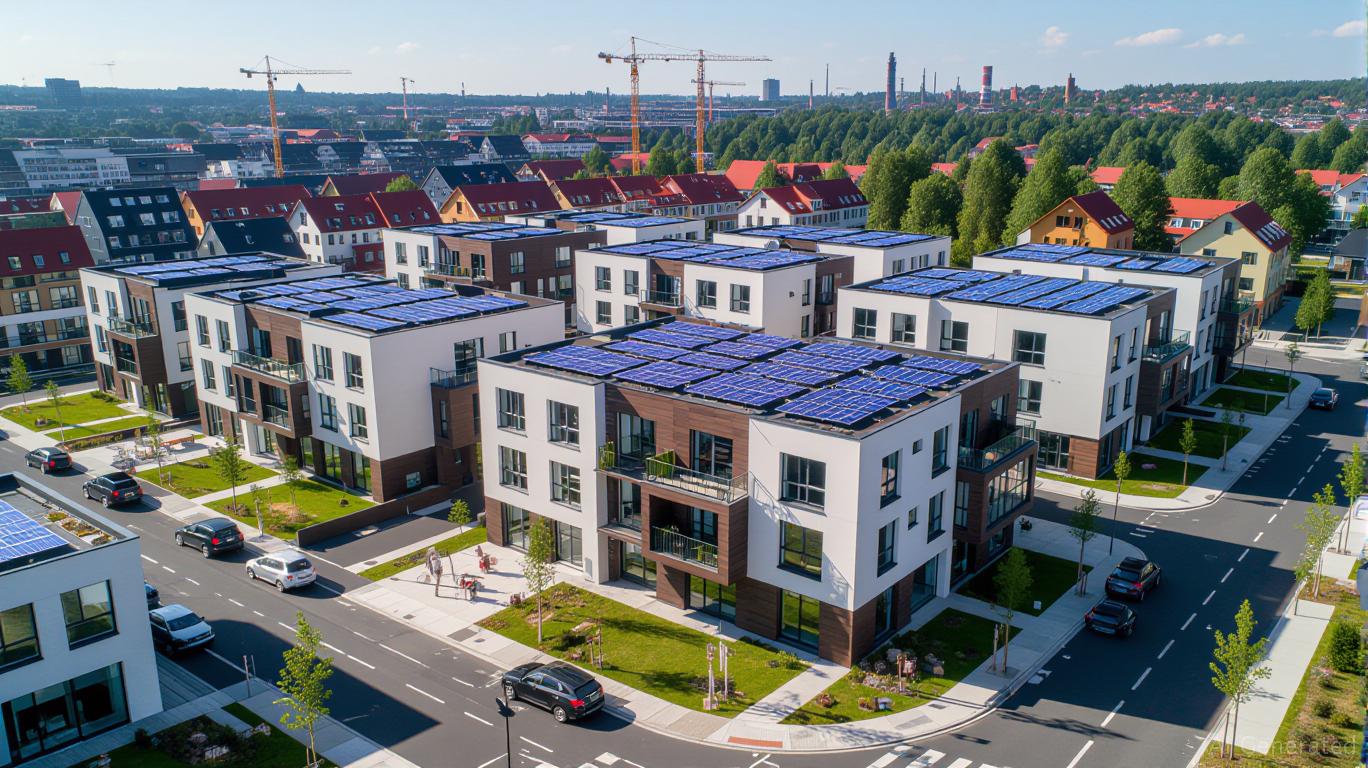
This push into energy efficiency isn’t just about compliance. It also raises property values and tenant satisfaction while reducing operational costs. For instance, upgraded apartments command higher rents and lower vacancy rates, creating a virtuous cycle.
Recurring Sales: Here, Vonovia has excelled at monetizing non-core assets. In 2024, it sold €4 billion in assets, including senior care facilities and regional portfolios, exceeding its disposal target. These sales not only bolster liquidity but also fund debt reduction and high-potential projects. The 2025 sale of Deutsche Wohnen’s Pflegen & Wohnen division for €380 million exemplifies this discipline.
This capital recycling aligns with a broader trend: real estate firms are prioritizing core assets while divesting underperforming or unrelated holdings. Vonovia’s success here underscores its ability to balance growth and financial prudence.
Climate Leadership as Competitive Advantage: Vonovia’s climate roadmap—targeting net-zero emissions by 2045—serves as both a moral imperative and a strategic differentiator. Its investments in sustainable infrastructure enhance property resilience to climate regulations and tenant demands, while also lowering long-term operational risks. For investors, this reduces the risk of stranded assets and positions Vonovia as a leader in ESG-compliant real estate.
Financial Resilience and Growth Prospects
Despite a challenging…
Read More: A Catalyst for Sustainable Growth in European Real Estate