
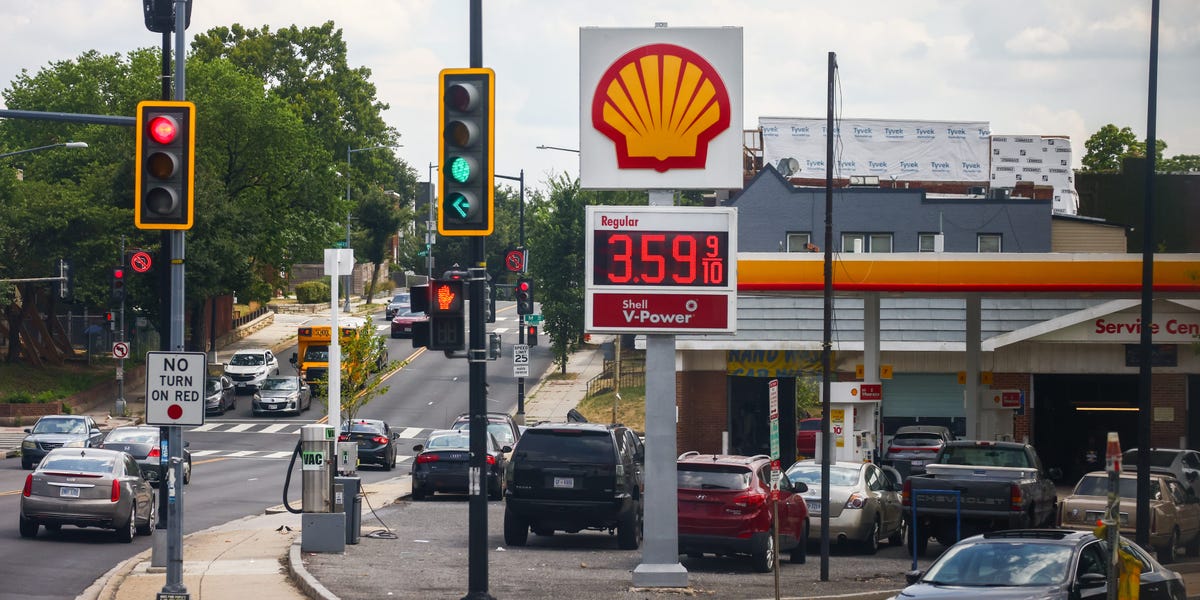

Oil prices are in free-fall, just in time for the busy summer driving season.
US Crude prices dropped 2% on Monday to $57.10 a barrel, hitting the lowest level since February 2021, when the economy was still in the midst of the COVID-19 pandemic.
While that’s not great news for oil producers, drivers are bound to get some relief from the plunge in crude prices in 2025.
What falling oil prices mean for your wallet
Data from GasBuddy shows the median US gas price per gallon is $2.99, up three cents from last week, while the average is $3.12, up two cents from last week.
Falling oil prices typically translate into lower prices at the gas pump, and that’s likely to happen with crude’s latest plunge, but with a lag, Patrick De Haan, head of petroleum analysis at GasBuddy, said.
“While gasoline inventories have been tightening due to ongoing refinery maintenance — which has limited how much gas prices have fallen in response to lower oil — refinery output is expected to rise soon,” De Haan said in a note on Monday.
Refinery maintenance is set to wrap up in the near term, De Haan said. This should increase the gasoline supply and cause the national average gasoline price to dip below $3.
Falling prices at the gas pump would be welcome news for American drivers as they head into the summer vacation season—and what’s good news for the consumer is good news for the economy.
JPMorgan estimates that roughly 80% of consumer savings from lower gas prices are spent elsewhere, and that a dollar swing in gas prices can translate into tens of billions of dollars of consumer firepower a year.
OPEC to unleash supply
Monday’s price decline came after a weekend OPEC+ meeting, in which the group of 8 oil-producing countries said they would increase the supply of oil for the month of June by 411,000 barrels per day.
Related stories

Business Insider tells the innovative stories you want to know
Read More: Gas Prices Are Set to Drop This Summer As Oil Craters to 4-Year Low
