

Every time the Louisiana legislature goes into session, I think about the parents who first walked through the doors of our organization 25 years ago, seeking help for their children.
They came to us because their children were being suspended, arrested, or locked up. They were scared. They were ashamed. And they felt alone.
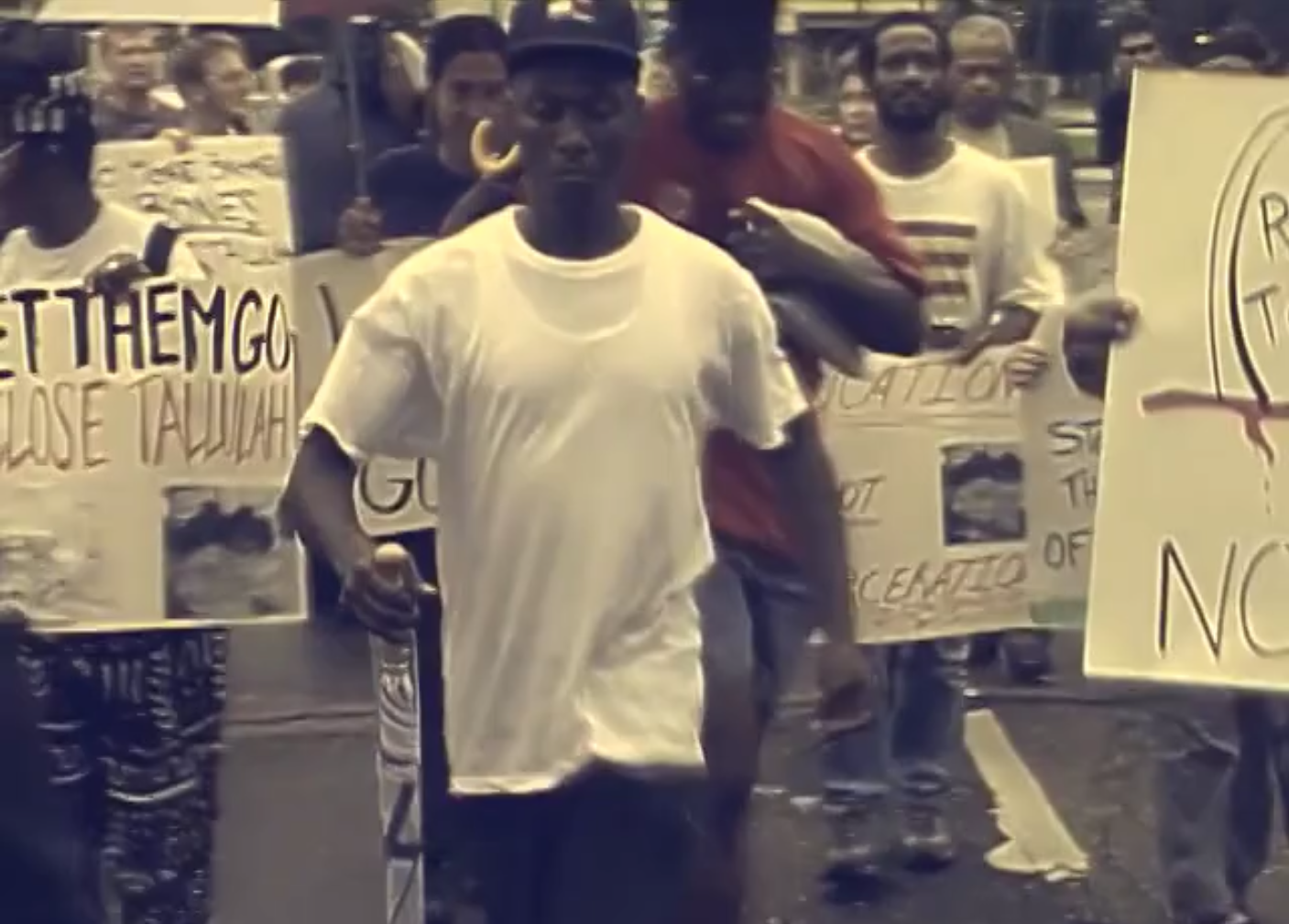
The more I talked to them, the clearer it became: the problem wasn’t their parenting. The problem was a system designed to punish children instead of supporting them. From parents whose children had been placed in secure care by a juvenile court judge, we heard stories of an acutely violent lockup called the Tallulah Correctional Center for Youth.

Twenty‑five years later, I wish I could say things look different.
But here we are again in 2026, watching lawmakers debate bills that only tinker with the same behemoth of a system that has been failing our children for generations. We are once again seeing new youth justice proposals that address procedures, reports, and oversight at best, and at worst, attempt to treat children more like adults.
What’s always missing is the one thing our kids actually need: care.
This is the same sad story I’ve watched over the last two and a half decades, where Louisiana continues to struggle because we continue to invest in our fears, instead of the future we want to see for our children.
We keep pouring money into a failed and broken youth prison system while children go without mental health care and without supportive schools, and while their families struggle to pay their bills. We ignore the evidence-based approaches and the experts who tell us the real solution is prevention and rehabilitation, not punishment.
As a mother of three Black children and two grandsons, I know what it feels like to hear these stories from parents and realize, “This could be me.” I’ve said it many times.
I didn’t come to this work because I had some grand calling. I came because I needed a job. I stayed because once I heard what families were up against—children beaten, ignored, and written off—I couldn’t walk away.
And after all this time, what I’ve learned is simple: families are powerful. When parents understand the system and come together, they can change things. Early on, our families helped close Tallulah, one of the most notoriously abusive youth prisons in the country. We worked to help reduce secure-care numbers from 2,000 incarcerated youth in the 1990s to less than 500 by 2006.

In 2003, we helped pass the Juvenile Justice Reform Act— a law that was essentially a roadmap to transforming the youth justice system into a holistic…
Read More: Stop building prisons and start investing in kids: the proven roadmap that
