


Listen to this article
Estimated 3 minutes
The audio version of this article is generated by AI-based technology. Mispronunciations can occur. We are working with our partners to continually review and improve the results.
Data centres and artificial intelligence (AI) companies in B.C. will have to compete for electricity from B.C. Hydro under new provincial legislation.
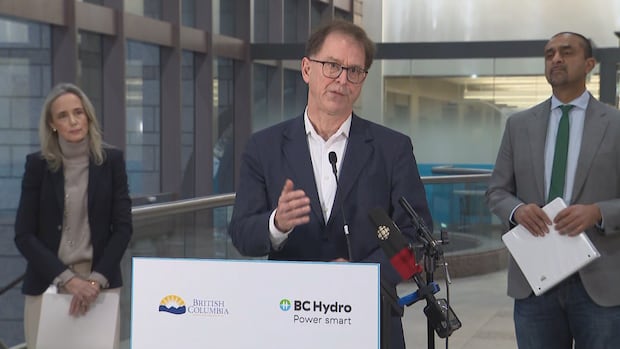
The competitive bid process, which launched Friday, will allow B.C. Hydro to manage the grid appropriately when it comes to the “fast growing high-load sectors” including AI and data centres, according to Energy Minister Adrian Dix at a news conference Friday.
Charlotte Mitha, B.C. Hydro’s president and CEO, said that without a structured process, the power utility could “easily be overwhelmed” by power-intensive requests from AI and data centres.
“If we had to serve every request exactly as it arrives, affordability, reliability, they could be affected for customers that we serve every day in B.C.”
The first tranche of projects will compete for 400 megawatts of electricity over a two-year period.
Dix said that number wouldn’t limit the industry, calling it “a lot of electricity” — about 35 per cent of the power from the Site C dam.
“A first-come first-serve system, if you’re not able to provide [for it], if you’re not doing it in a planned way, that’s just chaos. That doesn’t bring investment.”
Dix said bids will be assessed on criteria, including data sovereignty, environmental benefits, First Nations participation and price, to ensure “power is directed to industries that provide the greatest benefit.”
He noted Canadian companies would generally have an advantage in the process.
Some Canadians have expressed concerns about the potential negative effect data centres have on the water supply, as many of the facilities need cooling systems.
B.C.’s energy ministry told CBC News that projects utilizing heat recovery, water-use and other energy efficiencies will be favoured in the competitive process.
Traditional sectors including mining, LNG, forestry and manufacturing will remain under existing processes and will not have to bid, according to Dix.
Certain projects that are already advanced will be grandfathered in under the previous rules, he added.
Conservatives push back
The B.C. Conservative Party said in a news release that the government is “rationing” electricity and picking “winners and losers” through its selection process.
“It avoids the root problem: British Columbia does not have enough firm, affordable power to meet growing demand,” said David Williams, the party’s B.C. Hydro and electric self-sufficiency critic, in the release.
The Conservatives said there isn’t enough power generation or transmission infrastructure to meet the demand from AI and other sectors.
“Limiting access to electricity will delay or cancel data centre construction, force approved projects to pay higher rates, and shift more risk onto ratepayers as scarcity replaces…
Read More: AI, data centre companies will have to compete for electricity in B.C.
