

Korinek holds an unpaid position on the Economic Advisory Council of Anthropic, an AI company. Anthropic did not have any input into this analysis or right to review the authors’ recommendations. The views represented here are those of the authors.
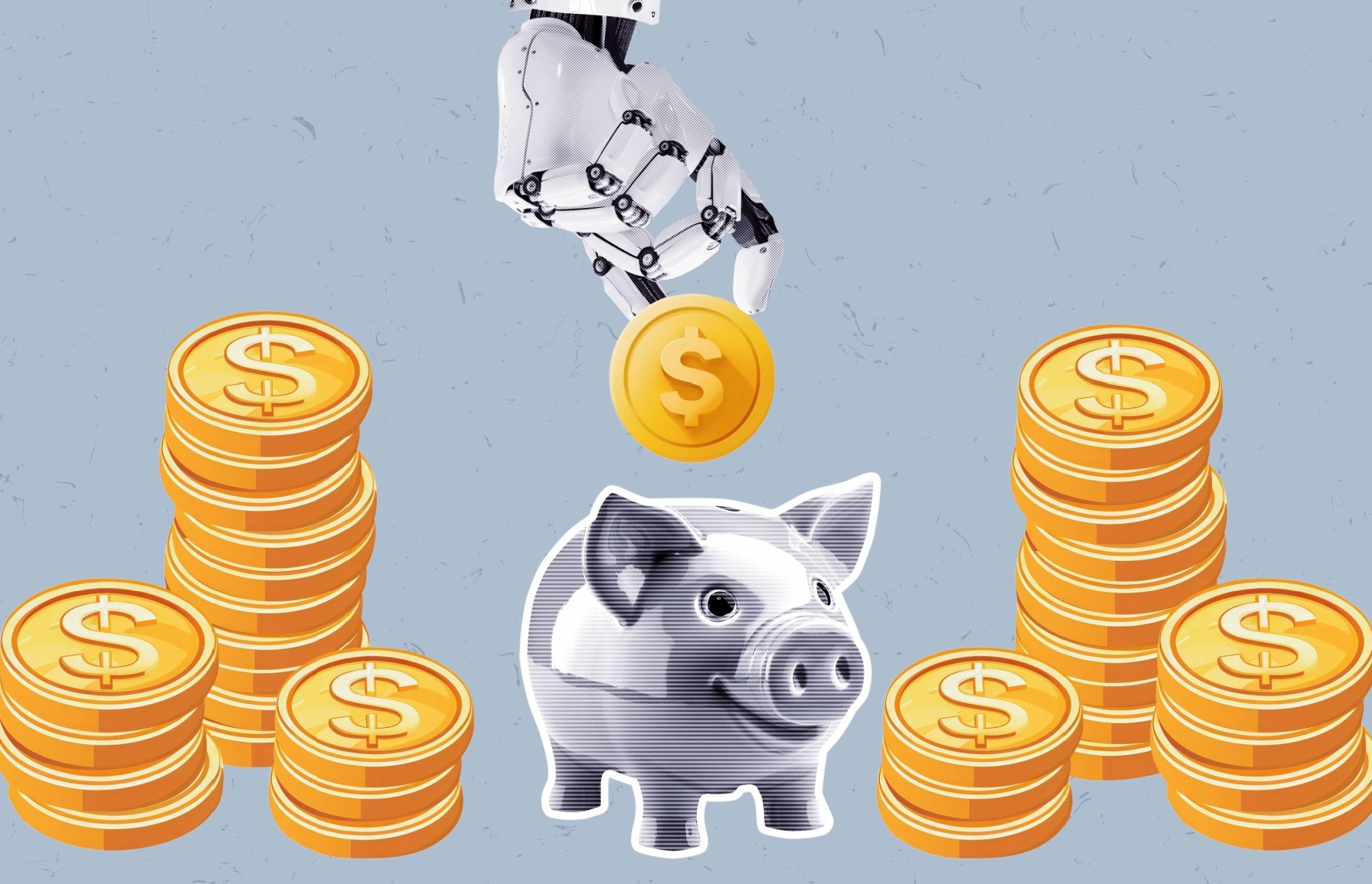
As artificial intelligence transforms our economy, policymakers worldwide are grappling with how to adapt our systems of taxation and public finance for an automated future. Common proposals—which we explore in more detail below—range from taxing robots and computing power to levying fees on AI-generated tokens and digital services. Yet without a coherent framework for evaluating these options, we risk implementing policies that could hinder innovation and undermine competitiveness while failing to address the fundamental fiscal challenges ahead.
Our recent research provides a framework for addressing these challenges by examining how taxation systems should evolve as AI transforms production and employment. We find that timing is key: Certain reforms make sense now, as AI is starting to displace labor, that would complement innovation and economic growth, while others could undermine efficiency and would be counterproductive until AI systems become far more autonomous. Understanding this distinction is crucial for policymakers seeking to manage the economic transition and maintain fiscal sustainability while fostering the innovation that will drive future prosperity.
The coming fiscal challenge
The modern tax system in the U.S. rests on two pillars: labor income and, to a lesser extent, consumption. According to 2023 data from a Congressional report, about three quarters of all U.S. federal tax revenue comes from labor.1 Unlike in many other advanced countries that have extensive value-added tax (VAT) systems, consumption taxation only plays a minor role at the federal level in the U.S., but it plays a significant role in the form of sales taxes at the state level. AI threatens to erode the first pillar—taxes on labor—by reducing demand for human labor across many occupations. While the extent and timing remain uncertain, even modest labor displacement could significantly strain public finances at a time when funding for social safety nets may be needed most.
This challenge is not merely theoretical. Labor’s share of income has already declined in recent decades, and many economists expect AI to accelerate this trend. It is not clear yet, but empirical evidence is emerging that recent disappointing job data may be AI-related. This may be the beginning of a more significant trend of labor displacement. As machines perform an expanding range of tasks, from customer service to complex analysis, the traditional tax base of wages and salaries may shrink dramatically. Policymakers must…
Read More: The future of tax policy: A public finance framework for the age of AI
