
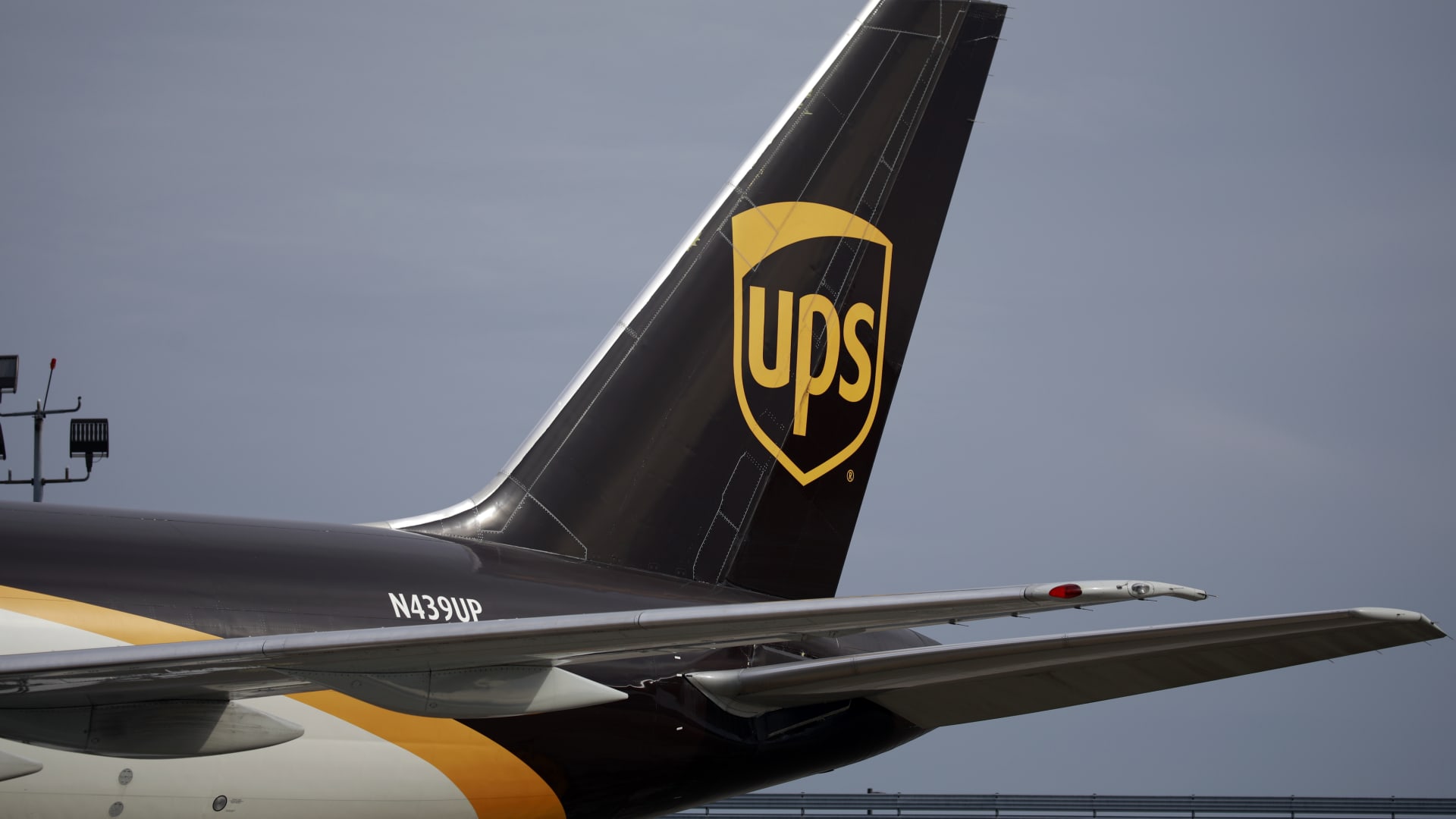

The grounding of MD-11 aircraft after the deadly crash of a UPS plane earlier this month could boost air cargo rates during the peak holiday shipping season, with some capacity out of the market, but analysts aren’t expecting a big impact.
The Federal Aviation Administration on Nov. 8 prohibited flights of MD-11 planes, less than a week after a Honolulu-bound UPS aircraft crashed moments after takeoff from Louisville Muhammad Ali International Airport in Kentucky, killing the three crew members and 11 people on the ground.
Earlier this week, the TAC Index, which tracks air freight rates around the world, said the Baltic Air Freight Index gained more than 4% in the week ended Nov. 17 and that was it up 2.4% last week compared with the same period last year.
“While it is normal for rates to rise ahead of the Thanksgiving holiday in the US and Christmas in Europe, sources suggested they had been given an added boost after the grounding of all MD-11 freighters following a fatal crash in Louisville earlier this month,” it said in a note.
UPS and FedEx each said they were grounding the aircraft, which make up 9% and 5% of their fleets, respectively, according to a Bank of America note.
FedEx said the company is working with the FAA to ensure its 28 MD-11 jets are up to standards.
“We are flexing our integrated air-ground network in the most efficient manner possible to deliver outstanding service, which includes the use of contingency options such as utilizing service recovery spare aircraft in the network, leveraging ground service where feasible, and strategically leveraging limited commercial line haul and charter opportunities,” the company said in a statement to CNBC.
UPS said after the crash that it has contingency plans in place to continue providing service.
“We made this decision proactively at the recommendation of the aircraft manufacturer,” UPS said on Nov. 7. “Nothing is more important to us than the safety of our employees and the communities we serve.”
In a Friday statement to CNBC, UPS said the company has not instituted any additional peak season surcharges as a result of the grounding of its 26 MD-11s. Instead, the company said it has secured additional aircraft for its fleet, similar to the leased planes that it procures for the peak season, and has consolidated flight routes to maximize air capacity.
“We have reconfigured our ground network, adding additional capacity to move more packages,” a UPS spokesperson told CNBC. “Our contingency plans give us assurance that we’ll continue to effectively move volume and deliver for our customers now and throughout peak season.”
On the company’s most recent earnings call, which occurred before the fatal crash, CEO Carol Tomé said early forecasts from its top 100 customers signaled the peak season would have a “considerable surge in volume.”
Still, because UPS has begun to phase out its work with Amazon, previously its largest customer, Tomé added that the decrease in Amazon volumes means the…
Read More: Shipping impact from plane grounding after UPS crash seen as ‘minimal’
