


What On EarthSmall businesses going net zero? In THIS economy?
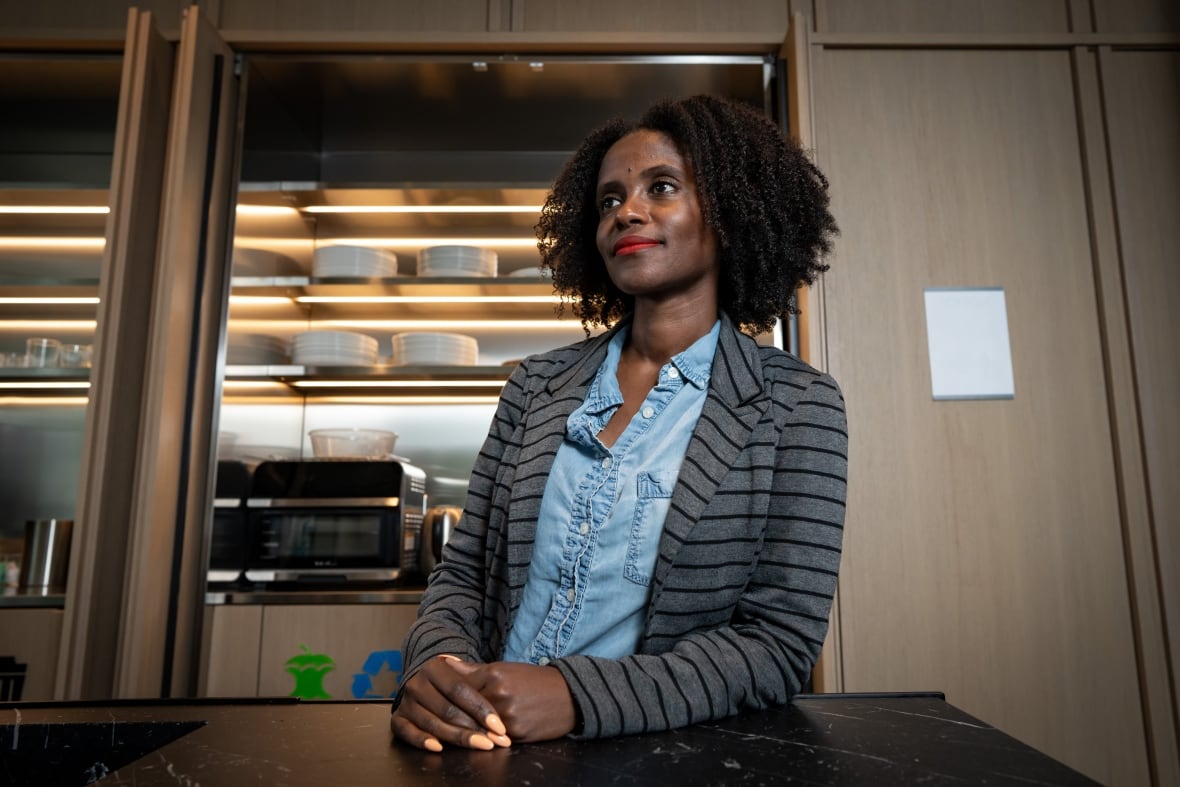
Going net zero isn’t easy — at least, not in this economy. Just ask Asha Wheeldon.
Since she started her business she’s had to endure COVID-19, inflation and the current trade war with the U.S.
“We are definitely shaken to our core to be able to maintain the mission,” Wheeldon told What On Earth guest host Stephanie Skenderis.
As the owner of Kula Foods in Vancouver, Wheeldon sells Afro-Caribbean-inspired, plant-based meals, with a focus on local ingredients and sustainability.
And she’s one of many business owners who are grappling with the desire to go net zero while operating a profitable business.
Canada hopes to get to net zero emissions by 2050, meaning it hopes to balance how much greenhouse gas emissions are produced with how much is being removed from the atmosphere. And with more than one million small businesses in Canada, it will take effort from owners to make that happen.
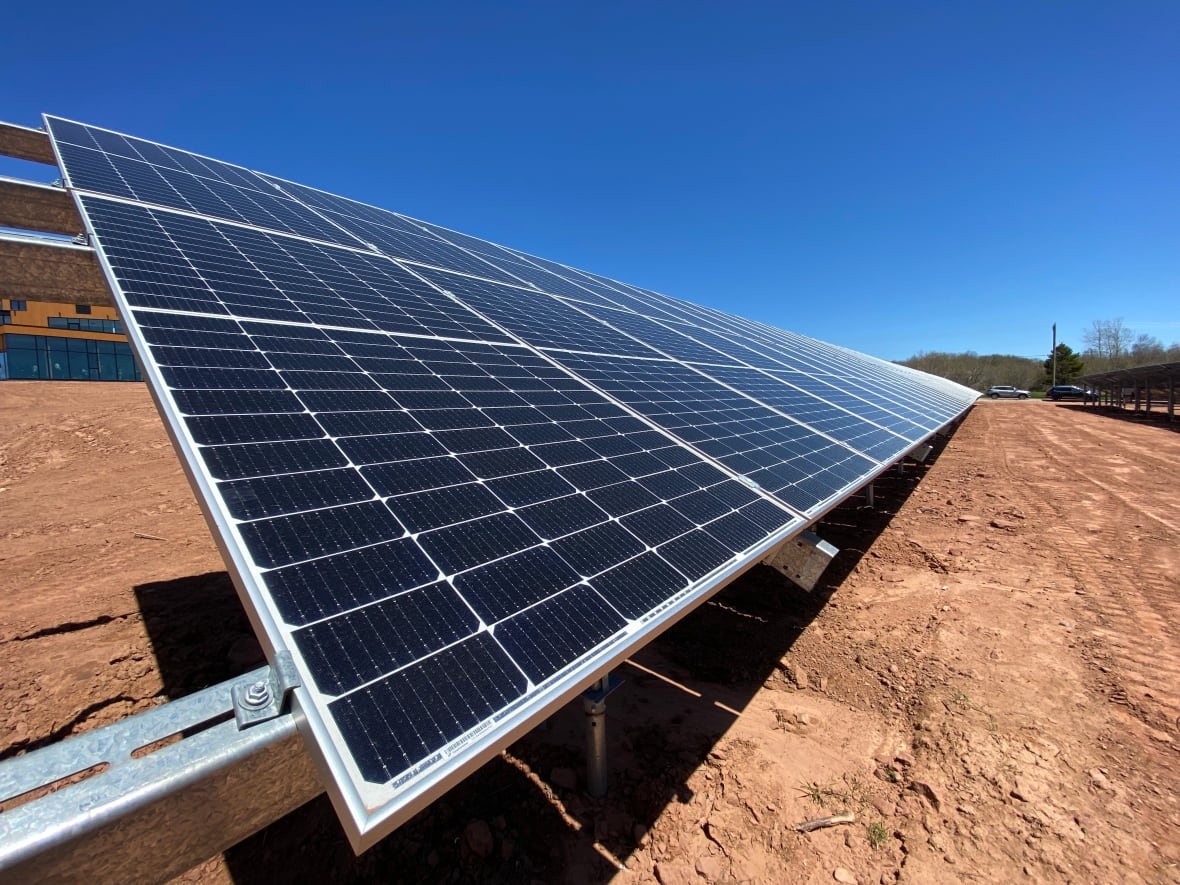
According to estimates from the Bank of Canada in 2023, small to medium-sized enterprises generate 52 per cent of all greenhouse gases produced by Canadian businesses, which is equivalent to 41 per cent of Canada’s total emissions.
But according to Jasmin Guénette, vice president of national affairs for the Canadian Federation of Independent Businesses, not every small business is on board with reaching that goal.
“Certainly, right now, the business climate is difficult. And many small business owners are concerned about the future of their company,” said Guénette.
“Because there’s so [many] priorities on the day-to-day front, that sometimes it is difficult for businesses to consider making changes in order to achieve net-zero.”
Why is it hard?
Wheeldon’s journey to net zero has been a long and winding one, and she’s had to say no to opportunities that may have increased profit because they didn’t fit with that vision. One of the biggest roadblocks on that path has been packaging.
She started with reusable packaging, like jars, which she could take back from retailers after they were used.
“When we were just starting off with just a few accounts, I wouldn’t say manageable, but we were able to continue,” said Wheeldon.
But as they took on more clients, that became difficult. So they started using compostable bags. Then they became reliant on customers taking action, and since composting regulations differ between provinces and cities, that wasn’t easy either.
“Unless our customers specifically bring it to a particular facility and really be committed to that, we can’t compost these flexible bags easily,” said Wheeldon.
Customers committed to the net-zero cause are…
Read More: ‘Shaken to our core’: Small businesses struggle with high cost of going
