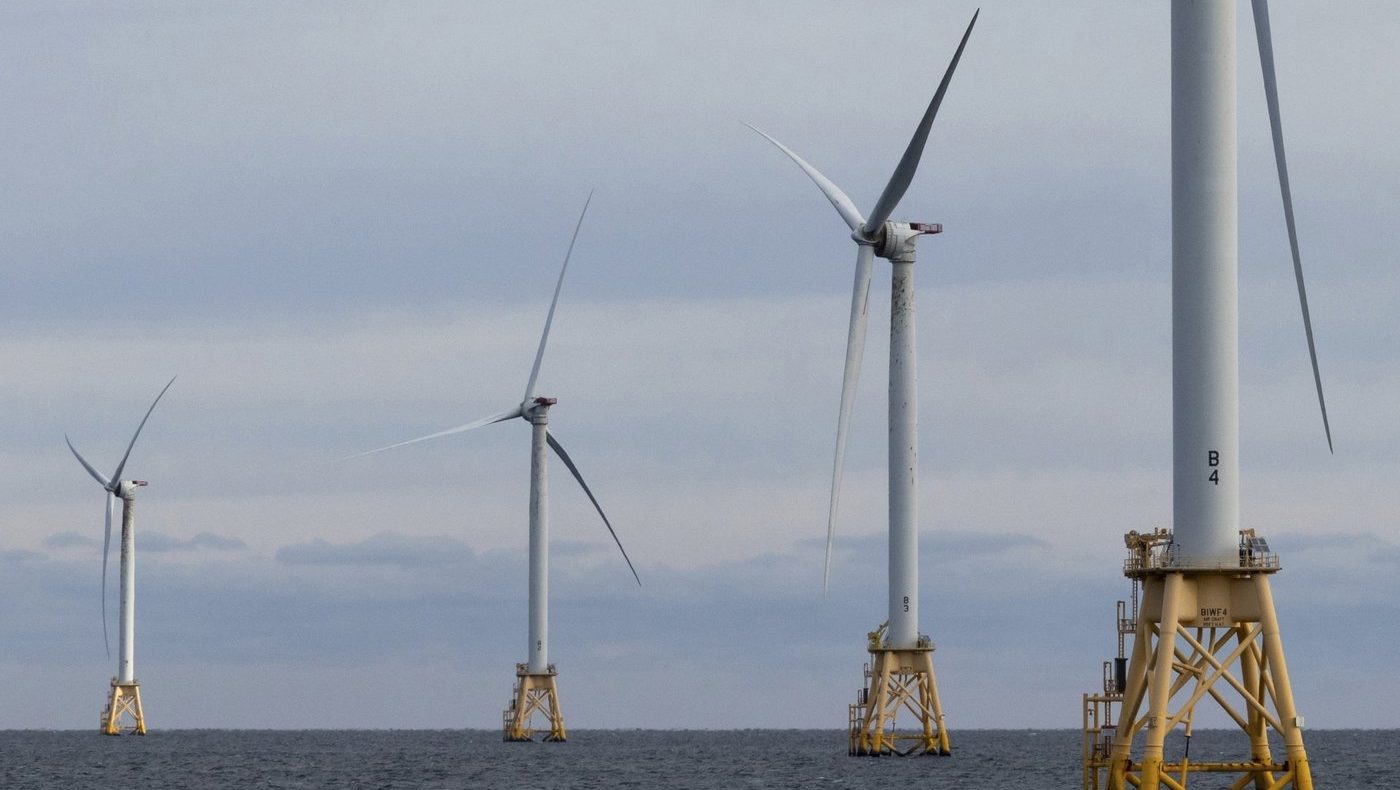

HALIFAX — Two leading environmental groups are giving a thumbs up to Nova Scotia’s ambitious plan to dramatically expand its fledgling offshore wind energy industry.
But both groups were quick to add caveats.
On Monday, Premier Tim Houston said the province’s plan to license enough offshore wind farms to produce five gigawatts of electricity would be increased eightfold to 40 gigawatts, well beyond the 2.4 gigawatts Nova Scotia needs. He called on Ottawa to help cover the costs of his new Wind West project, saying the excess electricity could be used to supply 27 per cent of Canada’s total demand.
“Nova Scotia is on the edge of a clean energy breakthrough,” the Progressive Conservative premier said in an online video, adding the province is poised to become an “energy superpower.”
Gretchen Fitzgerald, executive director of Sierra Club Canada, said the premier’s bold plan, which includes building transmission lines across the country, represents an exciting opportunity for the province.
“It could be a game-changer for the region and for Canada,” she said in an interview from Ottawa. “But it needs to be done correctly and with consultations.”
Fitzgerald said the Nova Scotia and Canadian governments must focus on securing long-term benefits from the nascent offshore wind industry because they did a poor job on that front when dealing with the offshore oil and gas sector.
“We have to make sure that we are not selling out what is a massive resource for less benefit than communities should have,” Fitzgerald said, adding that Nova Scotia continues to suffer from a high rate of energy poverty. In May of this year, utility affordability expert Roger Colton produced a report showing that 43 per cent of Nova Scotians were struggling to pay their energy bills — the highest proportion in Canada.
While Fitzgerald applauded Houston’s clean energy plan, she criticized what she described as the premier’s populist penchant for taking decisive action before consulting with experts and the public.
“Moving from a couple hundred turbines to thousands in the next decade needs to be done in a staged way so we learn how to do this right,” she said, adding Houston appears to have adopted a “‘move-fast-and-break-things mentality.”
“(That) can lead to unacceptable harm to sensitive ocean life,” she said. “From a community benefits and acceptance point of view, breaking trust can be the biggest barrier to getting to good climate solutions.”
In October 2023, the Public Policy Forum released a study saying Sable Island Bank, an ocean area about 180 kilometres south of Nova Scotia, is among the world’s best locations for wind energy generation.
“It and several other similarly endowed areas off the coast of Atlantic Canada hold the potential to place the region among the leading global hubs of offshore wind-powered energy development,” says the report from the independent non-profit think tank.
It goes on to…
Read More: Nova Scotia’s ambitious ‘Wind West’ offshore energy plan wins support with