
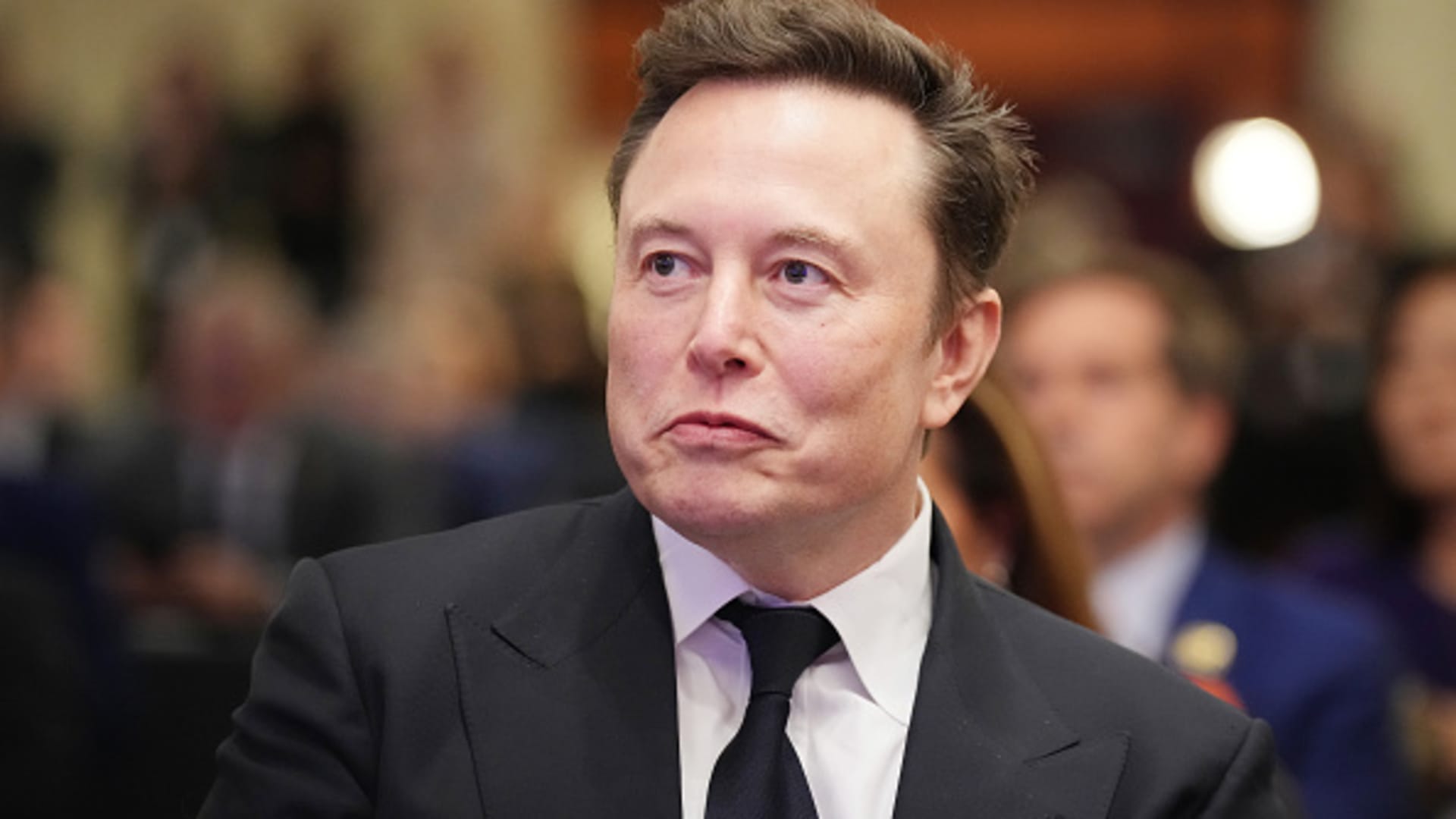

Elon Musk’s plan to host a chat with the leader of the Alternative for Germany (AfD) party on his X social media platform has angered European politicians— but they’ll struggle to stop him.
The tech billionaire is set to speak on Thursday with Alice Weidel, head of the AfD — Germany’s far-right party. It is currently polling second ahead of general elections on Feb. 23 on a platform that includes “defending freedom of speech,” tighter asylum laws, ending financial support for asylum seekers, and the reversal of planned restrictions on combustion engine cars among other points.
Despite the party’s classification as a “suspected extremist organization” by German domestic intelligence services — which it has tried to fight in court — Musk in December said that “only the AfD can save Germany,” and published an opinion piece in support of the party in a German newspaper.
“Don’t feed the troll,” outgoing German Chancellor Olaf Scholz told German weekly publication Stern when asked about Musk’s attack on himself and other politicians from the country, while German opposition leader Friedrich Merz called Musk’s interference “intrusive and pretentious” when speaking to Funke media group.
The outrage has crossed borders, with French President Emmanuel Macron also criticizing Musk and former European Commissioner Thierry Breton, saying the interview would give Weidel a “significant and valuable advantage.”
Yet the livestream would not break any laws if the content of the interview is legal, Matthew Holman, a tech, privacy and AI partner at law firm Cripps told CNBC in emailed comments, noting that it was “an important part of the expression of free speech in a healthy democratic system.”
“However, if it were the only interview that Musk conducted with German parties then, by failing to give equal prominence to all mainstream views or promoting one party in a polarising manner, it may be that lawmakers perceive X and Musk have negatively affected civic discourse and the electoral process in Germany by only interviewing the AfD or failing to have an effective third party real-time moderator,” Holman added.
CNBC has reached out to X for comment.
The European Union’s Digital Services Act (DSA) — a wide-spanning piece of legislation that aims to regulate content on large online platforms, including X — states that platforms are responsible for assessing and mitigating risks to, among other things, civic discourse and electoral proceedings.
European Commission spokesperson Thomas Regnier said in emailed comments that this included “the obligation to analyse and mitigate risks deriving from any preferential treatment or visibility given to content on a given platform, including Mr Musk’s content on his own platform.”
He added that the Commission will hold a roundtable on Jan. 24 to discuss risks ahead of the German election and will be joined by the German Digital Services Coordination and very large online platforms, including X.
While there are currently…
Read More: Musk is courting Germany’s far right. European leaders can’t do much about
