
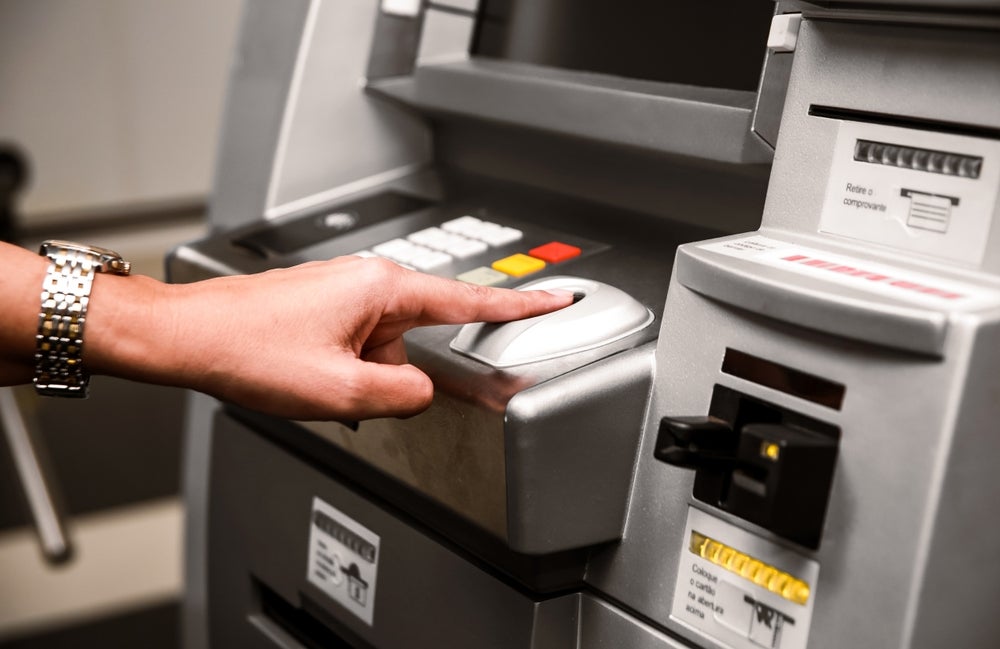

Customers are not the only ones who share data with a bank when they interact with a banking touchpoint, ATMs and ASSTs also emit hundreds of thousands of data points per day. So, a financial institution that manages a network of hundreds or more of these machines, holds a lot of data that could be sifted through and usefully used. And yet too many banks sit on this data and do little with it.
This is a huge waste that must be rectified. Close to one in two banks already acknowledge that data analytics is one of the most effective ways of staying ahead of the competition. Indeed, data harvested from their self-service banking network is a key way for banks to improve offerings, lower operational costs and increase profitability. Not only that, but this data can also create insights into how customers are using that machine and how the ATM itself is performing.
Collecting and analysing data from ATMs is essential for how banks improve their omnichannel approach to customer engagement. Omnichannel banking has driven the need for tools which provide actionable insights into performance across various banking channels and services. Those ATM data insights complete the picture of an integrated customer experience across all touchpoints, including in-person, online and mobile apps.
One of the reasons that this has not happened so far is because traditional methods of managing self-service channels are more focused on operational and cost management rather than the broader view of the value that can be gained. The banking and financial services industry must look towards solutions which include real-time performance monitoring and predictive analytics capabilities. But how can financial services organisations become more data-led?
Unlocking the power of data analytics
Every banking touchpoint, no matter if it is in person or online, provides enormous amounts of data which can be leveraged. The easy part is collecting the data, but the challenge is what to do with it. Converting the data into valuable insights requires more intelligent processes. This involves a strong data management and analytics process, as well as complete mapping of self-service banking channels, including ATM and ASST networks.
One part of deriving value from these banking channels is real time insights into how each part of the network is performing. This information should be easily accessible across the organisation. It will enable financial services institutions to better identify if there are any inefficiencies in the network, and if any touchpoints are not working.
Access the most comprehensive Company Profiles
on the market, powered by GlobalData. Save hours of research. Gain competitive edge.

Company Profile – free
sample
Thank…
Read More: Why the ATM is pivotal to banks becoming more data driven
