


“In my previous two columns, I’ve talked about how Filipinos are increasingly becoming vulnerable through something that was originally created for their own convenience: digital banking. In the last few years since its mainstreaming, the number of digital fraud cases has risen, affecting people from all walks of life, all unwilling victims to the whims of increasingly bold and equally deceptive cybercriminals.

The message cannot be clearer: to get to the root of this, we—government, private organizations, and citizens—need to have a cohesive plan centered on collaborative efforts, learning from one another towards the creation of a secure and resilient digital banking ecosystem in the Philippines.
The threat against digital finance still abounds, more so as more of us shift to cashless transactions. According to the Bangko Sentral ng Pilipinas’ 2023 report on e-payments, 2.6 billion out of 5 billion monthly transactions, or more than 50 percent of retail payments were done digitally last year. But as our reliance on digital transactions grew from mere convenience to necessity, so did the kinds of illegal interference aimed at defrauding millions of Filipinos.
As we continue to safeguard ourselves and our systems against these malicious actors, they too have continually adapted, coming up with newer schemes with the same mission to extract pesos from unsuspecting consumers.
Prevalent types of cybercrimes like online selling and investment scams along with debit/credit card fraud saw a decline based on the Philippine National Police Anti-Cybercrime Group (PNP-ACG) figures for the first half of 2024. However, cybercrimes continue to hit us from every conceivable angle including on social media and telecommunication channels such as SMS and calls, where “smishing” or “phishing” conducted over text happens. These include suspicious text messages offering lucrative but too-good-to-be-true jobs, rewards, and tokens that you can claim by clicking through links.
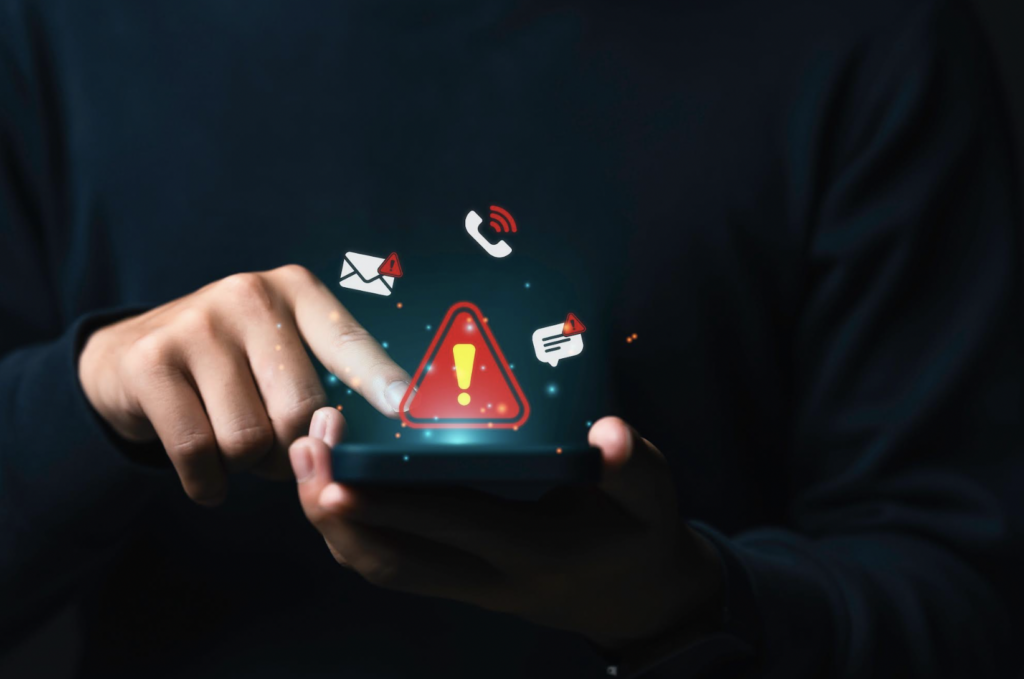
While they may seem harmless and completely avoidable in hindsight, their economic impact is immense, amounting to about a billion pesos, according to the Department of Information and Communications Technology – Cybercrime Investigation Coordinating Center (DICT-CICC).
It is why we should treat this with utmost urgency and come up with a unified response across all sectors because cybersecurity is not the responsibility of one entity as it affects all of us.
Now more than ever, it is important to forge public-private partnerships that will harmonize the government’s and private organization’s efforts. In the Philippines, the Cybercrime Prevention Act of 2012 has provided the foundation for law enforcement as to what constitutes crime with regard to the wide-ranging applications and uses of electronic communications. Special units as well as government agencies, such as the aforementioned PNP-ACG and DICT-CICC, have been established and deployed to look into…
Read More: Cracking down on cybercrime: Industry collaboration for a secure digital
