
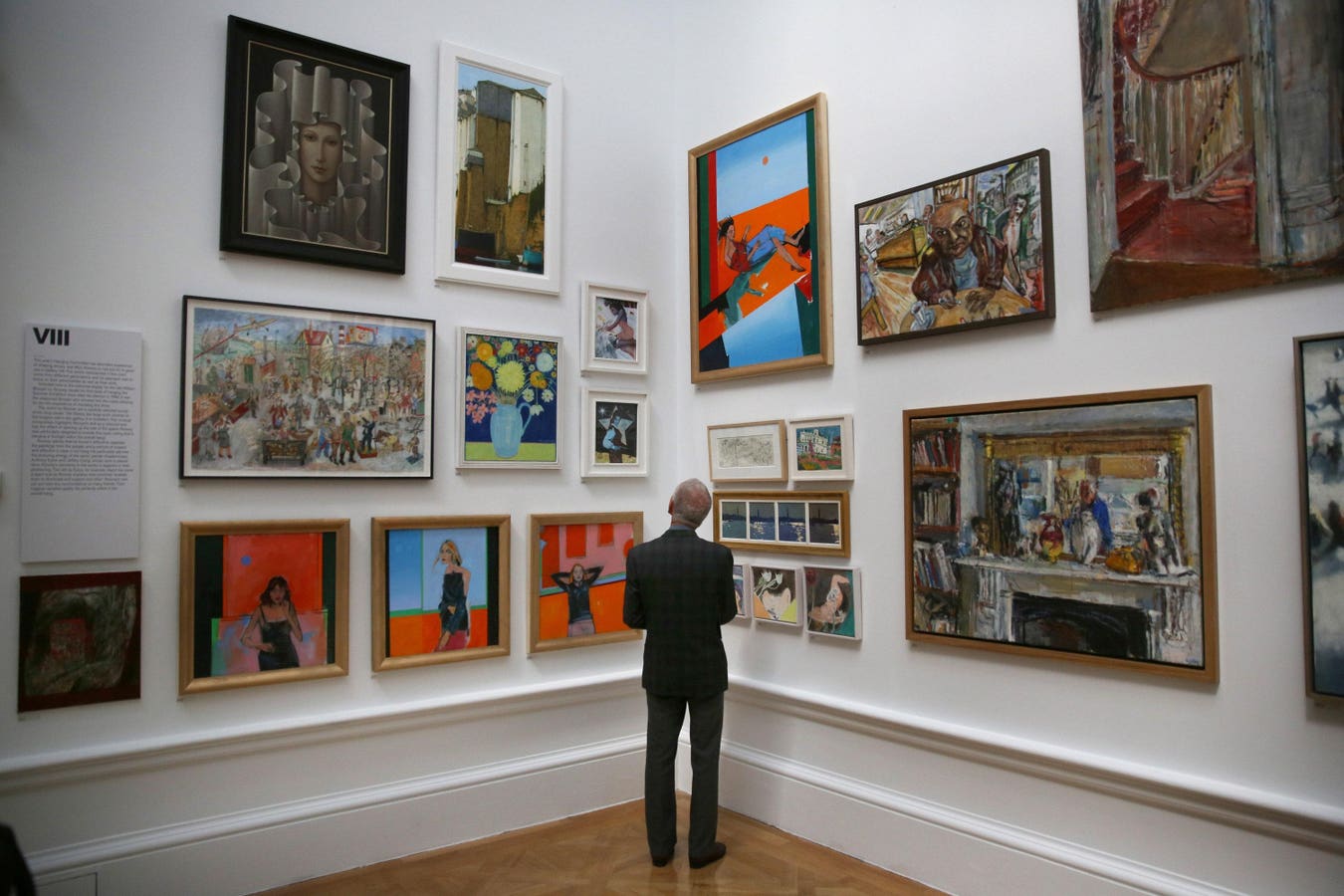

(Photo by Peter Macdiarmid/Getty Images)
Investing in alternative assets is no longer just for large institutions or the ultra-wealthy. Over the past decade, access to non-traditional assets like private equity, hedge funds, and private credit has opened up for everyday investors. The collectibles market—a niche within the broader world of alternative investments, including luxury watches, art, handbags, vintage cars, and fine wine—has followed this trend, inviting a new wave of interest and participation.
Although collectibles investing has been around for decades, the COVID-19 pandemic gave the estimated $450 billion market an unexpected boost. Lockdowns led people to explore their passions, and new online platforms emerged, allowing enthusiasts to buy whole or fractional shares of luxury items. This surge in demand drove up prices and sparked activity in most collectible categories.
But in mid-2022, rising interest rates changed the landscape. As short-term rates jumped from 0% to over 5%, investors found appealing returns elsewhere, and demand for high-end collectibles began to cool. Some categories have since lost 30-40% of their peak value, while others have managed to maintain gains. Here’s a closer look at how some of the most popular collectible markets are performing today.
Luxury Watches
The luxury watch market has experienced substantial growth over the past five years. According to Grandview Research, the global luxury watch market is valued at approximately $42 billion. The market has been driven by factors such as the growing inclination to use luxury watches as status symbols and the prevalence of social media and short-form videos that allow celebrities to showcase their latest accessory.
Rolex, probably the most recognizable luxury watch brand, has seen significant price increases over the past five years. The WatchCharts Rolex index, composed of the top 30 models within the brand, increased nearly 70% between March 2020 and March 2022. The average price has since fallen 30% from $30,300 to $21.300. While the average Rolex watch still commands a 20% premium to the retail value, some industry followers believe secondary market prices have more room to fall.
One of the key drivers of luxury watch values, and for any collectible, is the rarity or uniqueness of a particular piece. Rolex typically raises retail prices by approximately 6% every year and reportedly produces just over one million watches a year — a number that hardly exudes scarcity. By comparison, some famous independent watchmakers, such as F.P. Journe, produce around 1000 mechanical watches annually. As such, prices for some of these independent watchmakers have held up better than the larger, more-hyped brands.
In fact, the vast majority of luxury watches should not be considered investments or collectibles, mainly due to their lack of overall scarcity. There are more than 600 Swiss watch brands, with only a few that have secondary…
Read More: From Luxury Watches To Art And Handbags
