
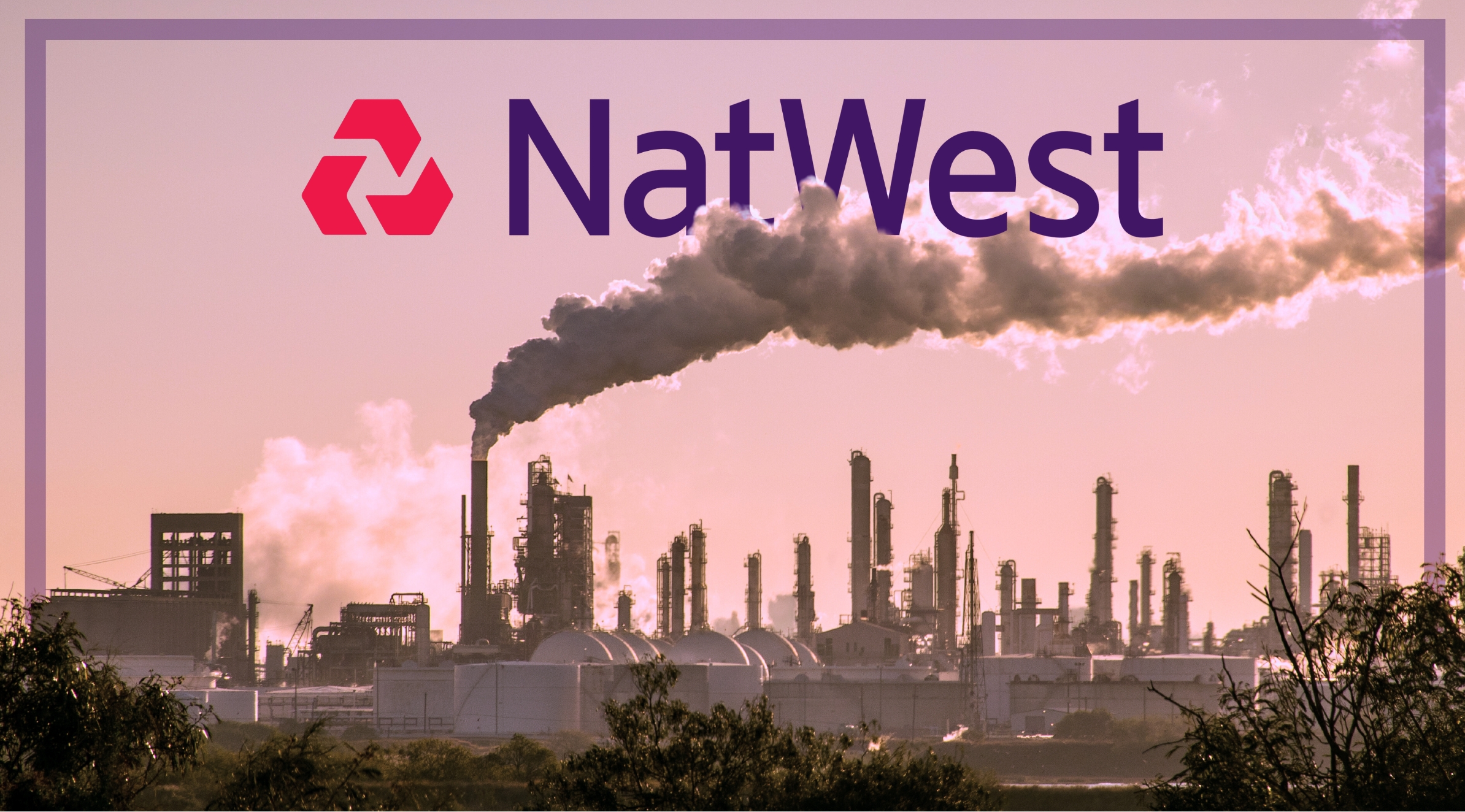

In the latest chapter of the ongoing clash between state governments and financial institutions, Texas has taken an audacious step by adding NatWest, one of the UK’s leading banks, to its “energy boycott list.” This decision, made public on August 14 by Texas Comptroller Glenn Hegar, stems from NatWest’s recent policies that restrict financing to certain energy companies — a policy that Texas views as a direct affront to its economic interests.
By restricting business with NatWest, Texas is pushing back against what it perceives as an overreach by financial institutions that are tightening the screws on fossil fuel investments.
As the second largest state in the US, both in terms of size and economic output, and the largest producer of oil and natural gas in the United States —generating over $26.3 billion in state and local tax revenue and royalties from the oil and natural gas industry last year alone — Texas plays a major role in the nation’s energy sector, contributing over 43% of the country’s crude oil production. With NatWest now facing potential restrictions on doing business with state agencies, the stakes couldn’t be higher.
This clash of priorities between a state known for its deep ties to the energy industry — with many energy giants, such as Exxon Mobil, Coterra Energy, Marathon Petroleum, Vital Energy, and XTO Energy calling Texas home — and a bank driven by environmental and social governance (Texas’ Energy Policies and NatWest The friction between Texas and NatWest began when the bank implemented restrictions on financing energy companies. These restrictions align with a wider trend among global banks aiming to cut down on their exposure to fossil fuels in favor of greener alternatives in accordance with Why Is Texas Not Doing Business With NatWest?